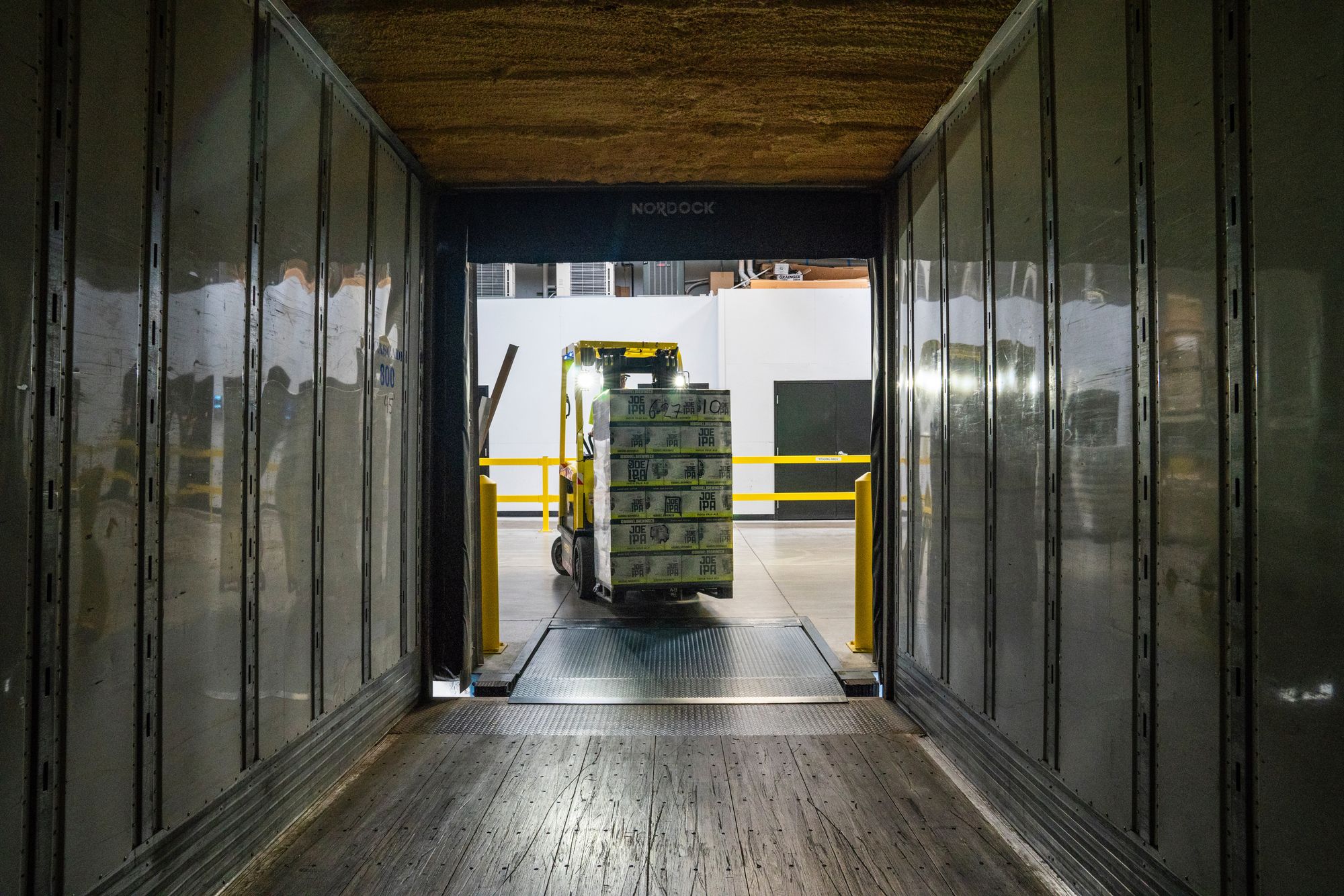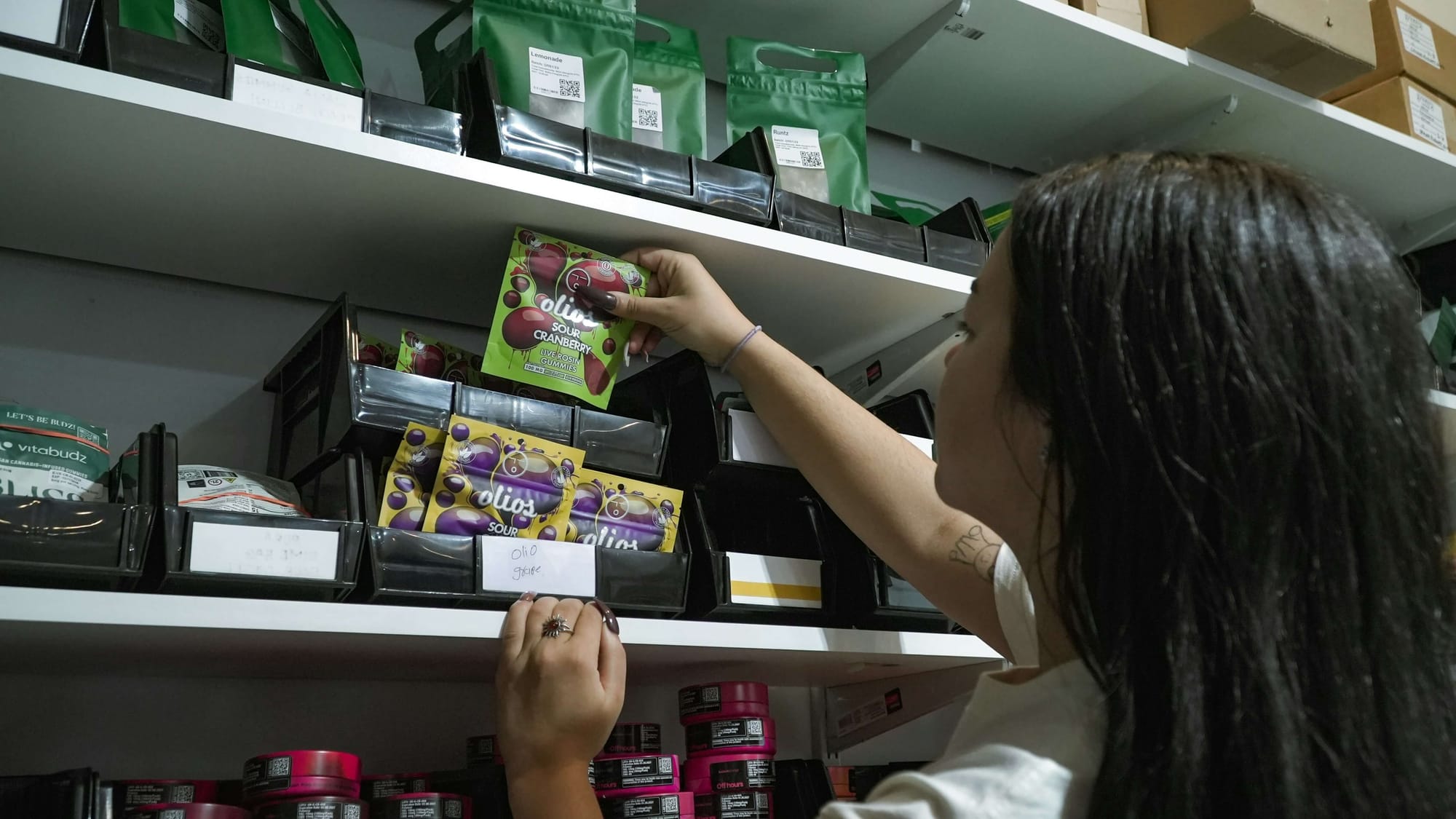


Inventory shortages can quietly drain a business’s revenue, disrupt operations, and damage customer trust. Whether it is a manufacturer running out of raw materials or a retailer facing empty shelves during peak demand, stockouts create costly setbacks that are difficult to recover from. In today’s fast-moving and highly competitive market, businesses can no longer rely on manual inventory tracking methods or disconnected systems to maintain optimal stock levels.
The financial impact of inventory shortages is staggering. Studies show that stockouts contribute to nearly $71.4 billion in lost retail sales every year, while around 40% of customers switch to competitors when their preferred products are unavailable. On a global scale, inventory distortion—which includes shortages, overstocks, and inaccurate inventory records—costs businesses an estimated $1.6 trillion annually. These numbers highlight how critical effective inventory management has become for maintaining profitability, customer loyalty, and operational continuity.
This is where Enterprise Resource Planning (ERP) systems play a transformative role. Modern ERP solutions provide real-time visibility into inventory levels, automate replenishment processes, improve demand forecasting accuracy, and streamline supply chain coordination. By integrating inventory, procurement, warehouse management, sales, and production into a centralized platform, ERP systems help businesses proactively identify inventory risks before they turn into costly shortages.
Deskera ERP is one such solution that helps businesses gain complete control over inventory operations through automation and intelligent insights. It offers features such as real-time inventory tracking, demand forecasting, multi-warehouse management, barcode scanning, automated purchase management, and advanced reporting dashboards. With its cloud-based accessibility and integrated business management capabilities, Deskera ERP enables organizations to reduce stockouts, improve inventory accuracy, and maintain smooth business operations.
What Is Inventory Shortage?
An inventory shortage occurs when a business does not have enough stock available to meet customer demand or production requirements. It happens when the quantity of products, raw materials, or supplies on hand falls below the required level, leading to stockouts, delayed orders, or interrupted operations. Inventory shortages can affect retailers, manufacturers, wholesalers, and eCommerce businesses alike, often resulting in lost sales and dissatisfied customers.
Inventory shortages may occur due to several reasons, including inaccurate demand forecasting, supplier delays, poor inventory tracking, sudden spikes in customer demand, inefficient warehouse management, or manual inventory errors. For manufacturers, shortages of raw materials can halt production lines, while retailers may struggle to fulfill customer orders on time when finished goods are unavailable.
For example, if a retail store experiences unexpectedly high demand for a product during a festive season but fails to replenish stock in time, customers may find the shelves empty. Similarly, a manufacturing company that runs out of critical components may face production downtime and delayed deliveries. In both cases, the business suffers operational disruptions and potential revenue loss.
Preventing inventory shortages requires businesses to maintain accurate inventory visibility, optimize stock levels, monitor supplier performance, and forecast demand effectively. Modern ERP systems help address these challenges by providing real-time inventory tracking, automated stock replenishment, demand forecasting, and centralized inventory management across multiple locations.
Common Signs of Inventory Shortage
Inventory shortages rarely happen overnight. In most cases, businesses experience several warning signs before stock levels become critically low. Identifying these signs early can help companies take corrective action before shortages disrupt operations, delay deliveries, or impact customer satisfaction. Monitoring inventory performance regularly allows businesses to respond proactively and maintain stable supply chain operations.
Frequent Stockouts
One of the most obvious signs of an inventory shortage is recurring stockouts. Products frequently becoming unavailable indicates that inventory replenishment processes are not keeping pace with customer demand. This issue can lead to missed sales opportunities, reduced customer trust, and increased pressure on procurement teams. Frequent stockouts often result from poor demand forecasting, delayed supplier deliveries, or inaccurate inventory records.
Delayed Customer Orders
When businesses struggle to fulfill customer orders on time, it often signals insufficient inventory availability. Delayed shipments and longer delivery timelines can negatively impact customer satisfaction and damage brand reputation. Customers today expect fast and reliable fulfillment, especially in competitive industries like retail and eCommerce. Repeated order delays may indicate poor inventory planning, inefficient warehouse coordination, or lack of real-time inventory visibility.
Increased Backorders
A growing number of backorders is another strong indication of inventory shortages. Backorders occur when customers place orders for products that are temporarily unavailable. While businesses may eventually fulfill these orders, excessive backorders create operational bottlenecks and frustrate customers. Persistent backorders usually point to inaccurate demand forecasting, weak supplier coordination, or delays in replenishment cycles.
Production Interruptions
In manufacturing environments, inventory shortages often lead to production downtime. A lack of raw materials, spare parts, or components can halt production schedules and reduce operational efficiency. These interruptions increase labor costs, delay product deliveries, and impact overall productivity. Frequent production stoppages typically suggest inadequate inventory monitoring, poor procurement planning, or unreliable supplier performance.
Emergency Purchasing and Expedited Shipping
Businesses experiencing inventory shortages often resort to emergency purchasing or expedited shipping to replenish stock quickly. While this may solve immediate shortages, it significantly increases procurement and logistics costs. Rush orders and urgent supplier requests are clear signs that inventory planning processes are reactive rather than proactive. Over time, relying on emergency purchases can reduce profitability and strain supplier relationships.
Declining Customer Satisfaction
Customer complaints about unavailable products, delayed deliveries, or canceled orders often indicate inventory shortages. When customers consistently fail to receive products on time, they may switch to competitors offering better product availability. Declining customer satisfaction can directly impact repeat business and long-term brand loyalty. Businesses that regularly monitor customer feedback can often identify inventory issues before they escalate further.
Inaccurate Inventory Records
Frequent mismatches between physical stock and recorded inventory levels are a common warning sign of inventory shortages. Inaccurate inventory data can cause businesses to believe products are available when they are actually out of stock. This problem is often caused by manual data entry errors, poor warehouse tracking processes, or lack of inventory synchronization across locations. Accurate inventory visibility is essential for preventing unexpected shortages.
High Supplier Dependency Risks
Businesses heavily dependent on a limited number of suppliers may experience inventory shortages more frequently. Supplier delays, transportation disruptions, or production issues can quickly affect stock availability. If a company regularly faces delays due to vendor-related problems, it may indicate the need for better supplier diversification and stronger procurement planning. Monitoring supplier performance is critical for maintaining consistent inventory levels.
Major Causes of Inventory Shortage
Inventory shortages can occur for many reasons, ranging from poor planning and inaccurate data to supplier disruptions and sudden market changes. When businesses fail to maintain proper inventory control, even small inefficiencies can quickly lead to stockouts, delayed deliveries, and operational disruptions. Understanding the root causes of inventory shortages is essential for improving inventory management and maintaining consistent product availability.
Inaccurate Demand Forecasting
Poor demand forecasting is one of the leading causes of inventory shortages. When businesses fail to accurately predict customer demand, they may order insufficient stock to meet future sales requirements. Seasonal demand fluctuations, changing market trends, and unexpected buying patterns can make forecasting challenging. Without reliable forecasting tools and historical sales analysis, businesses often struggle to maintain optimal inventory levels.
Lack of Real-Time Inventory Visibility
Businesses that rely on outdated or disconnected inventory systems often lack real-time visibility into stock levels. This makes it difficult to track inventory movements accurately across warehouses, retail stores, or production facilities. As a result, companies may unknowingly run out of stock before replenishment orders are placed. Limited inventory visibility also increases the risk of data inconsistencies and delayed decision-making.
Manual Inventory Management Processes
Manual inventory tracking methods, such as spreadsheets or paper-based records, are highly prone to human error. Incorrect data entry, missed stock updates, and delayed reporting can create inaccurate inventory records that lead to shortages. Manual processes also make it difficult for businesses to monitor inventory in real time or respond quickly to sudden demand changes. As operations grow, these inefficiencies become even more difficult to manage.
Supplier Delays and Disruptions
Inventory shortages often occur when suppliers fail to deliver products or raw materials on time. Transportation issues, production delays, labor shortages, geopolitical disruptions, and natural disasters can all affect supplier reliability. Businesses that depend heavily on a small number of suppliers are particularly vulnerable to supply chain disruptions. Delayed supplier deliveries can quickly interrupt inventory replenishment cycles and create stock availability issues.
Inefficient Reorder Management
Poor reorder planning can result in businesses replenishing inventory too late or ordering incorrect quantities. If reorder points and safety stock levels are not properly defined, inventory may fall below critical levels before new stock arrives. Inefficient reorder management is especially problematic in businesses with fluctuating demand patterns or long supplier lead times. Automated reorder systems help reduce this risk significantly.
Poor Warehouse Management
Disorganized warehouse operations can contribute to inventory shortages by causing misplaced, damaged, or untracked stock. Inefficient storage layouts, inaccurate picking processes, and lack of barcode or RFID tracking can reduce inventory accuracy. In some cases, products may physically exist in the warehouse but remain unavailable due to poor stock visibility or operational inefficiencies. Effective warehouse management is critical for maintaining accurate inventory control.
Sudden Demand Spikes
Unexpected increases in customer demand can quickly deplete inventory levels if businesses are unprepared. Promotional campaigns, seasonal sales, market trends, or viral product popularity can lead to rapid stock consumption. Without flexible inventory planning and responsive supply chain coordination, businesses may struggle to replenish products fast enough to meet demand. Sudden demand spikes are particularly challenging for businesses with long procurement lead times.
Inadequate Safety Stock Levels
Safety stock acts as a buffer against unexpected demand fluctuations or supplier delays. Businesses that maintain insufficient safety stock are more likely to experience inventory shortages during disruptions. On the other hand, calculating appropriate safety stock levels requires balancing storage costs with inventory risk. Companies that underestimate required safety stock often face stockouts during periods of uncertainty or demand variability.
Poor Communication Across Departments
Inventory shortages can also result from poor coordination between sales, procurement, warehouse, and production teams. For example, if sales teams launch promotions without informing procurement departments, inventory may run out faster than expected. Lack of communication leads to disconnected planning, inaccurate purchasing decisions, and delayed replenishment activities. Integrated ERP systems help improve collaboration and ensure all departments work with the same inventory data.
Ineffective Inventory Audits
Businesses that fail to conduct regular inventory audits may overlook discrepancies between actual and recorded stock levels. Inventory shrinkage caused by theft, damage, spoilage, or administrative errors can gradually reduce available inventory without being detected. Over time, these inaccuracies lead to unexpected shortages and operational disruptions. Routine inventory audits help businesses maintain accurate stock records and identify inventory issues early.
Why Preventing Inventory Shortages is Critical
Preventing inventory shortages is essential for maintaining smooth business operations, meeting customer expectations, and protecting profitability. Even a temporary stockout can create a chain reaction of operational delays, lost sales, and damaged customer relationships.
In highly competitive markets, businesses that fail to maintain consistent inventory availability risk losing both revenue and long-term customer loyalty. By proactively preventing shortages, companies can improve operational efficiency, strengthen supply chain performance, and ensure business continuity.
Financial Impact of Inventory Shortages
Inventory shortages can significantly reduce a company’s revenue and profitability. When products are unavailable, businesses lose immediate sales opportunities and may also incur additional costs through emergency procurement, expedited shipping, or production delays.
Repeated stockouts can also increase operational expenses and reduce overall profit margins. Over time, inventory shortages create financial instability by disrupting cash flow and limiting business growth opportunities.
Operational Disruptions and Downtime
Shortages often interrupt daily business operations, particularly in manufacturing and distribution environments. A lack of raw materials or finished goods can halt production schedules, delay shipments, and reduce workforce productivity.
These disruptions affect operational efficiency and create bottlenecks across the supply chain. Preventing inventory shortages helps businesses maintain consistent workflows, reduce downtime, and improve overall operational performance.
Declining Customer Satisfaction
Customers expect products to be available when they need them. When businesses fail to fulfill orders due to stock shortages, customers often become frustrated and may choose competitors instead.
Delayed deliveries, canceled orders, and poor product availability can negatively impact the overall customer experience. Maintaining adequate inventory levels helps businesses deliver reliable service, improve customer satisfaction, and build stronger customer relationships.
Loss of Customer Loyalty and Brand Reputation
Frequent inventory shortages can damage a company’s reputation and reduce customer trust. Customers who repeatedly experience stockouts may perceive the business as unreliable or poorly managed.
Negative reviews, complaints, and reduced repeat purchases can affect long-term brand value. In competitive industries, businesses that consistently maintain product availability are more likely to retain loyal customers and strengthen their market position.
Reduced Supply Chain Efficiency
Inventory shortages often create inefficiencies throughout the supply chain. Procurement teams may need to place urgent orders, suppliers may face increased pressure, and warehouse operations can become disorganized.
These reactive processes increase costs and reduce overall supply chain stability. Preventing shortages through better inventory planning and forecasting allows businesses to maintain smoother and more efficient supply chain operations.
Impact on Production Continuity
For manufacturers, inventory shortages can directly affect production continuity. Missing raw materials or components may force production lines to stop temporarily, leading to delayed manufacturing schedules and missed delivery deadlines.
These interruptions reduce productivity and increase operational costs. Maintaining adequate inventory levels ensures uninterrupted production and supports consistent manufacturing output.
Increased Risk of Competitive Loss
In today’s fast-paced market, customers can quickly switch to alternative brands if products are unavailable. Competitors with better inventory availability often gain market share when businesses experience frequent stockouts.
Preventing inventory shortages helps businesses remain competitive by ensuring customers can consistently access products without delays or disruptions.
Better Business Planning and Decision-Making
Businesses that actively prevent inventory shortages benefit from more accurate planning and informed decision-making. Reliable inventory availability allows companies to forecast sales, manage procurement, optimize warehouse operations, and improve customer service more effectively. Strong inventory control also provides greater flexibility to respond to changing market conditions and future business growth.
How ERP Systems Help Prevent Inventory Shortages
ERP systems play a critical role in helping businesses maintain optimal inventory levels and avoid costly stock shortages.
By integrating inventory management, procurement, sales, warehouse operations, and supply chain processes into a centralized platform, ERP systems provide real-time visibility and automation across the entire inventory lifecycle.
This enables businesses to forecast demand accurately, streamline replenishment processes, and respond quickly to inventory-related issues before they disrupt operations.
Real-Time Inventory Visibility
ERP systems provide businesses with real-time visibility into inventory levels across warehouses, retail locations, and distribution centers. Every inventory movement, including purchases, sales, transfers, and returns, is updated instantly within the system.
This centralized visibility helps businesses track stock availability accurately and avoid situations where products run out unexpectedly. Real-time monitoring also improves decision-making by giving teams access to accurate and up-to-date inventory data.
Automated Reorder Point Management
Modern ERP systems allow businesses to automate reorder point management based on predefined stock thresholds and demand patterns. When inventory levels fall below minimum stock requirements, the system automatically generates purchase requisitions or reorder alerts.
This reduces the risk of delayed replenishment and helps maintain consistent inventory availability. Automated reorder management also minimizes manual intervention and improves procurement efficiency.
Accurate Demand Forecasting
ERP systems use historical sales data, market trends, and customer demand patterns to improve forecasting accuracy. Advanced ERP solutions may also incorporate AI-driven analytics to predict future inventory requirements more effectively.
Accurate demand forecasting helps businesses maintain appropriate stock levels, reduce unexpected shortages, and prepare for seasonal demand fluctuations. Better forecasting also supports smarter purchasing and production planning decisions.
Improved Procurement and Supplier Management
ERP systems streamline procurement processes by improving coordination between purchasing teams and suppliers. Businesses can track supplier performance, monitor lead times, and manage purchase orders more efficiently through a centralized platform.
Better supplier visibility helps reduce delays in inventory replenishment and ensures timely delivery of products or raw materials. ERP systems also support stronger supplier relationships through improved communication and planning.
Multi-Warehouse Inventory Management
Businesses operating across multiple warehouses or locations often struggle with inventory imbalances. ERP systems help manage inventory distribution efficiently by providing centralized control over stock movement across all locations.
Companies can transfer inventory between warehouses, identify excess stock, and prevent shortages in high-demand locations. This improves inventory utilization and reduces the risk of localized stockouts.
Automated Purchase Order Generation
ERP systems can automatically generate purchase orders based on inventory levels, sales trends, and production requirements. This automation ensures that replenishment activities occur on time without relying heavily on manual monitoring.
Automated purchase order management reduces administrative workload, minimizes ordering errors, and shortens procurement cycles. Faster replenishment processes help businesses maintain stable inventory levels and prevent shortages.
Inventory Alerts and Notifications
ERP systems provide automated alerts and notifications for low stock levels, delayed shipments, slow-moving inventory, and other inventory-related issues.
These real-time notifications allow businesses to take immediate corrective action before shortages affect operations or customers. Alerts help inventory managers stay proactive rather than reactive, improving overall inventory control and operational responsiveness.
Better Production Planning
For manufacturers, ERP systems improve production planning by aligning inventory availability with production schedules. The system ensures that required raw materials and components are available before manufacturing begins, reducing the risk of production delays caused by shortages. Integrated production and inventory planning also improve resource allocation, scheduling accuracy, and manufacturing efficiency.
Enhanced Warehouse Management
ERP systems improve warehouse operations through features such as barcode scanning, batch tracking, serial number tracking, and automated stock updates.
These capabilities reduce inventory inaccuracies caused by manual processes and improve overall warehouse efficiency. Better warehouse management ensures products are stored, tracked, and retrieved accurately, minimizing the chances of misplaced or unavailable inventory.
Real-Time Reporting and Analytics
ERP systems provide detailed inventory reports and analytics that help businesses identify inventory trends, monitor stock performance, and detect potential shortage risks early.
Managers can analyze stock movement, turnover rates, supplier performance, and demand fluctuations through customizable dashboards and reports. Data-driven insights enable businesses to make faster and more informed inventory management decisions.
Improved Coordination Across Departments
ERP systems integrate multiple business functions into a unified platform, improving communication between sales, procurement, warehouse, finance, and production teams.
All departments work with the same real-time inventory data, reducing miscommunication and disconnected planning.
Better collaboration helps businesses respond quickly to demand changes, manage replenishment more effectively, and maintain consistent inventory availability.
Support for Scalable Inventory Management
As businesses grow, managing inventory manually becomes increasingly difficult. ERP systems provide scalable inventory management capabilities that support expanding product lines, warehouses, suppliers, and customer demand.
The system adapts to growing operational complexity while maintaining inventory accuracy and efficiency. This scalability helps businesses prevent inventory shortages even as operations become larger and more dynamic.
ERP Inventory Shortage Prevention Workflow
ERP systems follow a structured and automated workflow to help businesses monitor inventory levels, predict demand, manage replenishment, and prevent stock shortages before they occur.
By integrating inventory management with procurement, sales, warehouse operations, and production planning, ERP systems create a continuous flow of accurate data across the organization.
This workflow enables businesses to maintain optimal inventory availability while reducing manual errors and operational delays.
Step 1: Real-Time Inventory Monitoring
The inventory shortage prevention process begins with continuous real-time inventory monitoring. ERP systems track every inventory movement, including sales, purchases, returns, transfers, and production usage, as they happen.
This provides businesses with accurate visibility into current stock levels across all warehouses and locations. Real-time monitoring helps identify low-stock situations early and prevents unexpected stockouts caused by outdated or inaccurate inventory data.
Step 2: Demand Forecasting and Inventory Planning
ERP systems analyze historical sales data, customer demand trends, seasonal patterns, and market behavior to forecast future inventory requirements. These forecasting capabilities help businesses estimate how much inventory will be needed over specific periods.
Accurate demand planning allows companies to maintain balanced inventory levels, avoid understocking, and prepare for fluctuations in customer demand without overinvesting in excess inventory.
Step 3: Setting Reorder Points and Safety Stock Levels
Once inventory forecasts are generated, ERP systems help businesses establish reorder points and safety stock thresholds for each product. Reorder points define the minimum inventory level at which replenishment should begin, while safety stock acts as a buffer against unexpected demand spikes or supplier delays. Automated threshold management ensures inventory replenishment starts before stock levels become critically low.
Step 4: Automated Replenishment and Purchase Order Generation
When inventory levels fall below predefined reorder points, the ERP system automatically triggers replenishment workflows. The system may generate purchase requisitions, create purchase orders, or notify procurement teams to initiate restocking activities.
Automation reduces dependency on manual inventory checks and minimizes delays in ordering inventory. Faster replenishment cycles help businesses maintain uninterrupted stock availability.
Step 5: Supplier Coordination and Procurement Management
ERP systems streamline communication and coordination with suppliers throughout the procurement process. Businesses can track supplier lead times, order statuses, delivery schedules, and vendor performance through centralized dashboards.
Improved supplier management helps reduce procurement delays and ensures inventory arrives on time. ERP systems also allow businesses to compare supplier performance and make more informed sourcing decisions.
Step 6: Warehouse Receiving and Inventory Updates
Once inventory arrives, ERP systems update stock levels automatically during the receiving process. Barcode scanning, RFID tracking, and warehouse management tools help ensure accurate stock recording and product tracking.
Automated inventory updates reduce human errors and provide instant visibility into newly available stock. Efficient receiving workflows also improve warehouse productivity and inventory accuracy.
Step 7: Inventory Allocation and Distribution
ERP systems help businesses allocate inventory efficiently across warehouses, retail locations, production units, or customer orders. The system identifies where stock is needed most and supports inventory transfers between locations when necessary.
Proper inventory allocation reduces localized shortages and improves overall inventory utilization. Businesses can fulfill customer demand more effectively while maintaining balanced stock levels across operations.
Step 8: Continuous Inventory Analysis and Reporting
ERP systems continuously monitor inventory performance using real-time analytics and reporting tools. Managers can track key inventory metrics such as stockout rates, inventory turnover, lead times, and order fulfillment performance.
These insights help businesses identify inventory risks, improve forecasting accuracy, and optimize replenishment strategies over time. Continuous analysis supports proactive inventory management and long-term operational improvement.
Step 9: Cross-Department Collaboration and Decision-Making
ERP systems improve collaboration between procurement, warehouse, sales, finance, and production teams by centralizing inventory information. All departments have access to the same real-time data, which improves planning accuracy and reduces communication gaps.
Better coordination allows businesses to respond faster to demand changes, supplier issues, or operational disruptions, helping prevent inventory shortages across the organization.
Step 10: Ongoing Optimization and Scalability
As business operations grow, ERP systems help organizations scale inventory management processes efficiently. Businesses can continuously optimize inventory policies, forecasting models, supplier relationships, and warehouse operations using ERP-driven insights.
This ongoing optimization improves inventory control, reduces shortages, and supports sustainable business growth even in complex and rapidly changing markets.
Key Metrics Businesses Should Track to Prevent Inventory Shortages
Tracking the right inventory metrics helps businesses identify potential shortage risks before they disrupt operations. These metrics provide insights into stock movement, demand patterns, supplier performance, and inventory efficiency.
By monitoring inventory KPIs consistently, businesses can improve forecasting accuracy, optimize replenishment strategies, and maintain stable inventory availability.
Stockout Rate
Stockout rate measures how often products become unavailable when customers place orders. A high stockout rate indicates poor inventory planning, inaccurate forecasting, or delayed replenishment processes. Monitoring this metric helps businesses identify products that frequently run out of stock and take corrective action to improve inventory availability.
Formula:
Stockout Rate (%) = (Number of Stockouts / Total Customer Orders) × 100
Inventory Turnover Ratio
Inventory turnover ratio measures how efficiently inventory is sold and replaced over a specific period. A low turnover ratio may indicate slow-moving inventory, while an extremely high ratio can suggest insufficient stock levels that increase shortage risks. This metric helps businesses maintain the right balance between inventory availability and carrying costs.
Formula:
Inventory Turnover Ratio = Cost of Goods Sold (COGS) / Average Inventory
Order Fulfillment Rate
Order fulfillment rate measures the percentage of customer orders fulfilled successfully without delays or stock issues. A low fulfillment rate often signals inventory shortages or warehouse inefficiencies. Businesses use this metric to evaluate how effectively inventory supports customer demand and delivery performance.
Formula:
Order Fulfillment Rate (%) = (Orders Fulfilled Successfully / Total Orders) × 100
Lead Time
Lead time measures the total time required to replenish inventory after placing an order with a supplier. Longer or inconsistent lead times increase the risk of inventory shortages, especially during periods of high demand. Tracking lead time helps businesses improve procurement planning and maintain sufficient safety stock levels.
Formula:
Lead Time = Order Delivery Date - Order Placement Date
Safety Stock Level
Safety stock represents the extra inventory maintained to protect against unexpected demand spikes or supplier delays. Businesses that maintain insufficient safety stock are more likely to experience stockouts during disruptions. Monitoring safety stock levels helps companies ensure inventory stability without overstocking products.
Formula:
Safety Stock = (Maximum Daily Usage × Maximum Lead Time) - (Average Daily Usage × Average Lead Time)
Reorder Point
Reorder point identifies the inventory level at which businesses should begin replenishment to avoid stock shortages. Setting accurate reorder points ensures that new inventory arrives before existing stock is depleted. This metric is critical for maintaining uninterrupted inventory availability.
Formula:
Reorder Point = (Average Daily Usage × Lead Time) + Safety Stock
Inventory Accuracy Rate
Inventory accuracy rate measures how closely recorded inventory matches actual physical stock levels. Poor inventory accuracy can lead to unexpected shortages because businesses may believe products are available when they are not. Regularly monitoring this metric improves inventory visibility and operational reliability.
Formula:
Inventory Accuracy Rate (%) = (Accurate Inventory Records / Total Inventory Records) × 100
Backorder Rate
Backorder rate measures the percentage of customer orders delayed because products are unavailable at the time of purchase. A high backorder rate often indicates recurring inventory shortages or supply chain inefficiencies. Tracking this KPI helps businesses improve replenishment planning and customer satisfaction.
Formula:
Backorder Rate (%) = (Backordered Items / Total Ordered Items) × 100
Days Inventory Outstanding (DIO)
Days Inventory Outstanding measures the average number of days inventory remains in storage before being sold or used. Monitoring this metric helps businesses optimize inventory levels and avoid both excess inventory and stock shortages. An unusually low DIO may indicate insufficient inventory coverage.
Formula:
Days Inventory Outstanding (DIO) = (Average Inventory / Cost of Goods Sold) × Number of Days
Supplier On-Time Delivery Rate
Supplier on-time delivery rate measures how consistently suppliers deliver inventory within agreed timelines. Delayed supplier deliveries are a major cause of inventory shortages. Tracking supplier performance helps businesses identify unreliable vendors and improve procurement planning.
Formula:
Supplier On-Time Delivery Rate (%) = (On-Time Deliveries / Total Deliveries) × 100
Common Challenges in Preventing Inventory Shortages
Preventing inventory shortages is not always straightforward, especially in today’s fast-changing business environment. Companies often face multiple operational, technological, and supply chain-related challenges that make maintaining optimal inventory levels difficult.
Without effective inventory management strategies and integrated systems, even minor disruptions can quickly lead to stockouts, delayed deliveries, and customer dissatisfaction.
Understanding these challenges helps businesses develop more proactive and resilient inventory management practices.
Inaccurate Demand Forecasting
One of the biggest challenges businesses face is accurately predicting customer demand. Market trends, seasonal fluctuations, changing consumer preferences, and unexpected demand spikes can make forecasting difficult.
When demand estimates are inaccurate, businesses may either understock products or overcompensate with excess inventory. Poor forecasting directly increases the risk of inventory shortages and operational disruptions.
Lack of Real-Time Inventory Visibility
Many businesses still operate with disconnected systems or outdated inventory tracking methods that do not provide real-time stock visibility.
Without accurate and up-to-date inventory data, businesses may struggle to monitor stock levels across warehouses, retail stores, or production facilities.
This lack of visibility can result in delayed replenishment decisions and unexpected stock shortages.
Supplier Delays and Supply Chain Disruptions
Supplier-related issues are a major challenge in preventing inventory shortages. Delayed shipments, transportation bottlenecks, raw material shortages, labor issues, and geopolitical disruptions can all affect inventory availability.
Businesses that depend heavily on a small number of suppliers are particularly vulnerable to supply chain interruptions. Even well-planned inventory strategies can fail if suppliers cannot deliver inventory on time.
Manual Inventory Management Processes
Manual inventory tracking methods often create inefficiencies and increase the likelihood of human error. Spreadsheet-based systems and paper records can lead to inaccurate stock counts, delayed updates, and duplicate data entries.
As businesses grow, manual inventory processes become increasingly difficult to manage, making it harder to maintain inventory accuracy and prevent shortages.
Poor Inventory Data Accuracy
Inventory management decisions are only as effective as the data supporting them. Inaccurate inventory records caused by theft, damaged goods, data entry errors, or unrecorded stock movements can create major inventory visibility problems.
Businesses may assume products are available when actual stock levels are much lower, leading to unexpected stockouts and fulfillment delays.
Inefficient Reorder Planning
Many businesses struggle with determining the correct reorder points and safety stock levels for their inventory.
Reordering inventory too late increases the risk of shortages, while ordering too early can lead to excess inventory and higher storage costs.
Inefficient reorder planning becomes even more challenging when demand patterns fluctuate frequently or supplier lead times are inconsistent.
Multi-Warehouse Inventory Complexity
Managing inventory across multiple warehouses or locations adds another layer of complexity. Businesses may experience inventory imbalances where one location faces shortages while another holds excess stock.
Without centralized inventory management and coordinated stock transfers, maintaining consistent inventory availability across locations becomes difficult.
Lack of Cross-Department Coordination
Inventory management often involves multiple departments, including procurement, warehouse operations, sales, finance, and production planning.
Poor communication between these teams can lead to inaccurate purchasing decisions, delayed replenishment, or inventory mismatches.
For example, sales promotions may increase demand unexpectedly if procurement teams are not informed in advance.
Sudden Market and Demand Changes
Rapid market shifts, economic uncertainty, and changing consumer behavior can disrupt inventory planning efforts.
Unexpected events such as viral product trends, seasonal surges, or industry disruptions may cause inventory demand to rise suddenly.
Businesses without flexible inventory management systems may struggle to respond quickly enough to avoid shortages.
Limited Technology Adoption
Some businesses continue to rely on outdated systems that lack automation, analytics, and integration capabilities.
Without modern ERP or inventory management solutions, companies may struggle to monitor inventory performance, forecast demand accurately, or automate replenishment processes.
Limited technology adoption reduces operational efficiency and increases the risk of inventory shortages.
Balancing Inventory Costs and Availability
Maintaining enough inventory to prevent shortages while avoiding excessive carrying costs is a constant challenge for businesses.
Holding too much inventory ties up capital and increases storage expenses, while maintaining too little inventory increases stockout risks.
Achieving the right balance requires accurate forecasting, efficient procurement, and continuous inventory optimization.
Resistance to Process Changes
Implementing improved inventory management practices or ERP systems may face resistance from employees accustomed to traditional processes.
Lack of training, fear of technology adoption, or organizational resistance can slow down inventory management improvements.
Without proper change management and employee support, businesses may struggle to fully optimize their inventory control processes.
Best Practices for Using ERP to Prevent Inventory Shortages
Implementing an ERP system alone is not enough to eliminate inventory shortages. Businesses must also follow the right operational practices to fully utilize the system’s capabilities and maintain consistent inventory availability.
Effective ERP usage involves continuous monitoring, process optimization, accurate data management, and strategic planning.
By following proven best practices, businesses can strengthen inventory control, improve supply chain responsiveness, and reduce the likelihood of costly stock disruptions.
Standardize Inventory Data Across the Organization
One of the most effective ways to improve inventory management is by maintaining standardized and consistent inventory data within the ERP system.
Product names, SKUs, units of measurement, supplier details, and warehouse records should follow uniform formats across all departments and locations.
Standardized data reduces duplicate records, improves reporting accuracy, and ensures inventory transactions are processed consistently throughout the organization.
Classify Inventory Based on Business Priority
Not all inventory items require the same level of monitoring or replenishment urgency. Businesses should use ERP systems to categorize inventory based on factors such as demand frequency, revenue contribution, or operational importance.
High-priority products and critical raw materials should receive closer monitoring and faster replenishment cycles. Inventory classification helps businesses allocate resources more effectively and reduce the risk of shortages for essential items.
Continuously Review and Adjust Reorder Parameters
Market conditions, supplier performance, and customer demand patterns constantly change over time. Businesses should regularly review reorder points, safety stock levels, and lead time assumptions within the ERP system to ensure they remain accurate.
Static inventory settings may become ineffective if demand increases suddenly or suppliers experience delays. Continuous optimization helps maintain appropriate stock levels under changing business conditions.
Integrate Sales Forecasting with Inventory Planning
ERP systems become far more effective when sales forecasting and inventory planning work together.
Businesses should align inventory decisions with upcoming promotions, seasonal campaigns, product launches, and sales projections.
Coordinating sales and inventory planning helps prevent unexpected demand surges from creating stock shortages. This approach also improves purchasing accuracy and warehouse preparedness.
Use Automated Exception Reporting
Instead of relying solely on routine inventory reports, businesses should configure ERP systems to generate automated exception reports for unusual inventory activity.
These reports can highlight sudden drops in stock levels, abnormal sales spikes, delayed supplier deliveries, or products nearing stockout conditions.
Exception-based monitoring allows managers to focus on critical inventory risks before they escalate into larger operational problems.
Diversify Supplier Networks
ERP systems can help businesses manage multiple suppliers more effectively, but organizations should also strategically diversify their supplier base.
Relying too heavily on a single supplier increases vulnerability to delays and disruptions.
Maintaining backup suppliers for critical inventory items improves supply chain resilience and reduces the chances of shortages during unexpected events.
Improve Inventory Cycle Counting Practices
Rather than conducting infrequent full inventory audits, businesses should use ERP systems to support regular cycle counting processes.
Cycle counting involves checking smaller sections of inventory on a rotating schedule to identify discrepancies early.
Frequent inventory verification improves stock accuracy, reduces operational disruptions, and helps businesses detect inventory issues before they impact customer orders or production schedules.
Enable Mobile Inventory Access
Providing warehouse teams and inventory managers with mobile ERP access improves inventory responsiveness and operational efficiency.
Mobile inventory tools allow employees to update stock records, confirm inventory movements, and access real-time inventory data directly from warehouse floors or remote locations.
Faster data updates reduce delays and improve inventory accuracy across operations.
Monitor Slow-Moving and Obsolete Inventory
Excess slow-moving inventory can tie up storage space and working capital that could otherwise support critical stock replenishment. Businesses should use ERP analytics to identify obsolete or underperforming inventory items regularly.
Optimizing inventory mix and removing unnecessary stock helps free resources for high-demand products that are more likely to experience shortages.
Establish Inventory Escalation Procedures
Businesses should create clear escalation workflows within the ERP system for handling potential inventory shortages. For example, low-stock alerts for critical items can automatically notify procurement managers, warehouse supervisors, or production planners. Defined escalation procedures ensure faster decision-making and improve the organization’s ability to respond proactively to inventory risks.
Conduct Regular ERP Performance Reviews
ERP systems should be continuously evaluated to ensure inventory management processes remain efficient and aligned with business goals. Businesses should review inventory KPIs, forecasting accuracy, replenishment performance, and warehouse efficiency on a regular basis. Ongoing ERP performance reviews help identify process gaps, improve system usage, and support continuous inventory optimization.
Train Employees on ERP Inventory Workflows
Even advanced ERP systems can produce poor results if employees are not properly trained. Businesses should provide regular training on inventory workflows, data entry standards, warehouse procedures, and reporting tools. Well-trained employees are more likely to follow standardized processes, reduce inventory errors, and use ERP features effectively to prevent shortages.
How Deskera ERP Helps Prevent Inventory Shortages
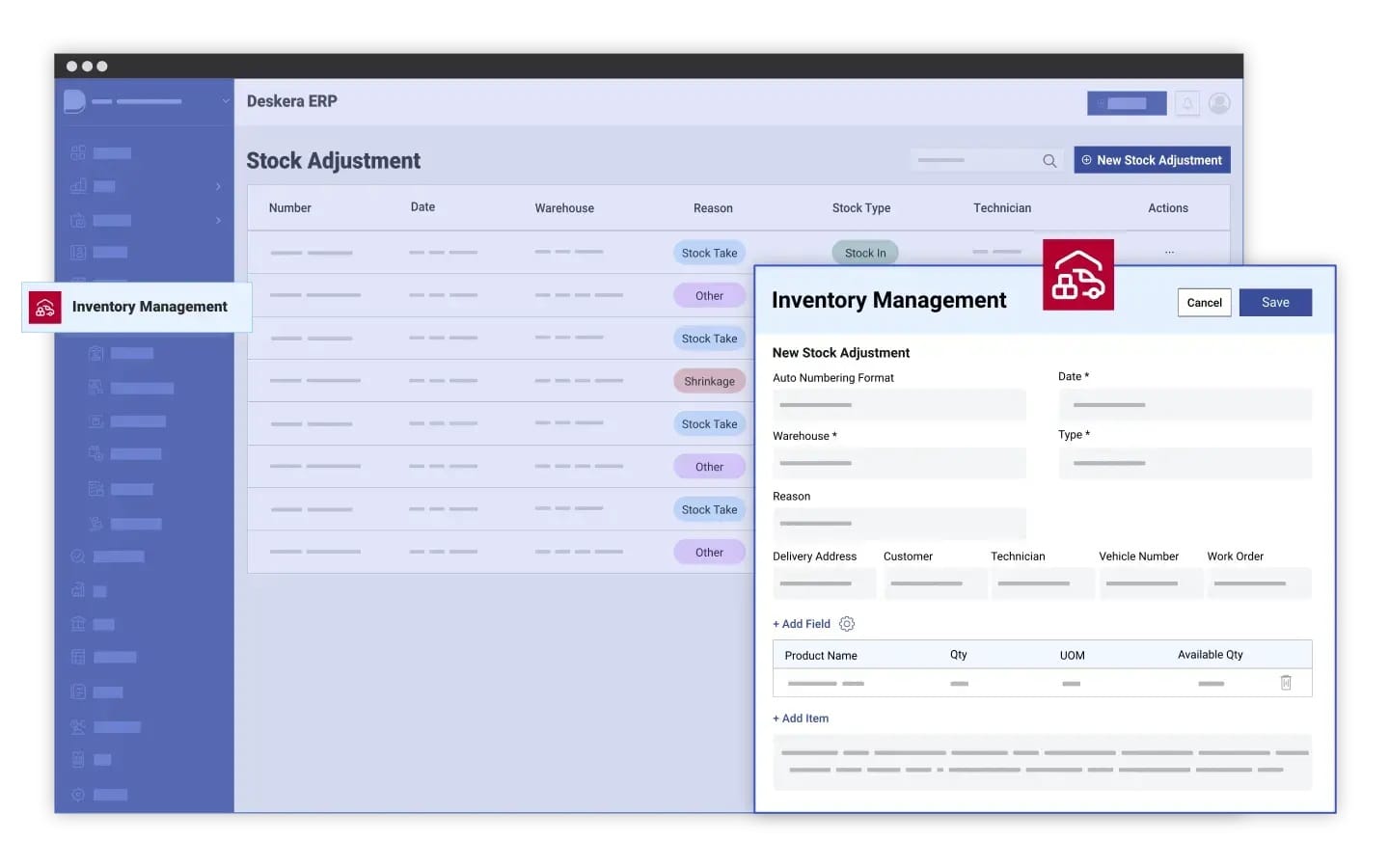
Deskera ERP helps businesses reduce inventory shortages by providing centralized inventory control, real-time visibility, and intelligent automation across procurement, warehouse, sales, and production processes. By integrating multiple business functions into a single platform, Deskera ERP enables organizations to monitor inventory accurately, improve forecasting, streamline replenishment, and respond quickly to changing demand conditions. These capabilities help businesses maintain consistent stock availability while improving operational efficiency.
Real-Time Inventory Tracking
Deskera ERP provides real-time visibility into inventory levels across warehouses, retail locations, and distribution centers. Businesses can monitor stock movement instantly as products are purchased, sold, transferred, or returned. This live inventory tracking reduces the chances of stock discrepancies and helps businesses identify low-stock situations before they result in shortages. Real-time updates also improve inventory accuracy and support faster decision-making.
Automated Inventory Replenishment
Deskera ERP helps automate replenishment workflows by allowing businesses to define reorder points, minimum stock levels, and safety stock thresholds. When inventory levels fall below predefined limits, the system automatically triggers replenishment alerts or purchase requests. Automated replenishment reduces delays caused by manual inventory monitoring and ensures critical products are reordered on time to avoid stockouts.
Demand Forecasting and Inventory Planning
Deskera ERP supports smarter inventory planning by analyzing historical sales data and inventory trends. Businesses can use these insights to forecast future demand more accurately and prepare for seasonal fluctuations or changing market conditions. Improved forecasting helps organizations maintain balanced inventory levels, reduce understocking risks, and improve purchasing decisions.
Centralized Procurement Management
Deskera ERP streamlines procurement operations by centralizing supplier management, purchase orders, approvals, and inventory purchasing activities. Businesses can track supplier lead times, manage vendor performance, and monitor procurement status from a unified dashboard. Better procurement visibility helps reduce supplier delays and ensures inventory replenishment processes remain efficient and timely.
Multi-Warehouse Inventory Management
For businesses operating across multiple locations, Deskera ERP provides centralized control over inventory stored in different warehouses. The system helps businesses track stock availability across locations, transfer inventory between warehouses, and optimize inventory distribution. This reduces the likelihood of localized shortages and improves overall inventory utilization throughout the supply chain.
Barcode and Batch Tracking
Deskera ERP supports barcode-based inventory management and batch tracking to improve inventory accuracy and traceability. Barcode scanning helps warehouse teams process inventory faster while reducing manual data entry errors. Batch tracking allows businesses to monitor inventory movement more precisely, making it easier to identify stock issues, manage expiry-sensitive products, and maintain accurate stock records.
Real-Time Alerts and Notifications
Deskera ERP provides automated alerts and notifications for low stock levels, delayed purchase orders, pending deliveries, and other inventory-related events. These real-time notifications help inventory managers take immediate corrective action before inventory shortages affect operations or customer orders. Proactive alerts improve responsiveness and strengthen inventory control processes.
Integrated Sales and Inventory Coordination
Deskera ERP integrates inventory management with sales operations, allowing businesses to align inventory planning with customer demand more effectively. Sales orders automatically update inventory records, helping teams monitor stock consumption in real time. This integration reduces communication gaps between departments and improves inventory planning accuracy during high-demand periods.
Inventory Reporting and Analytics
Deskera ERP offers detailed inventory reports and analytics that help businesses monitor inventory performance and identify shortage risks early. Businesses can analyze inventory turnover, stock movement, order fulfillment rates, and supplier performance through customizable dashboards. These insights support data-driven decision-making and help businesses optimize inventory management strategies continuously.
Mobile Accessibility and Cloud-Based Management
As a cloud-based ERP platform, Deskera ERP allows businesses to access inventory data securely from anywhere using desktop or mobile devices. Managers can review inventory reports, approve purchase orders, and monitor stock levels remotely in real time. Mobile accessibility improves operational agility and ensures businesses can respond quickly to inventory-related issues regardless of location.
Improved Operational Efficiency
By automating inventory workflows and integrating multiple business processes, Deskera ERP reduces manual workload, improves inventory accuracy, and minimizes operational delays. Businesses can manage procurement, warehouse operations, inventory planning, and order fulfillment more efficiently within a single system. This operational efficiency plays a critical role in preventing inventory shortages and maintaining consistent customer service levels.
Key Takeaways
- Inventory shortages can lead to lost sales, operational disruptions, and reduced customer satisfaction, making proactive inventory management essential for businesses.
- An inventory shortage occurs when businesses lack sufficient stock to meet customer demand or production requirements, resulting in stockouts and fulfillment delays.
- Common warning signs of inventory shortages include frequent stockouts, delayed customer orders, rising backorders, production interruptions, and emergency purchasing.
- Inaccurate demand forecasting, supplier delays, manual inventory tracking, poor warehouse management, and lack of real-time visibility are major causes of inventory shortages.
- Preventing inventory shortages is critical for maintaining profitability, improving operational efficiency, protecting brand reputation, and ensuring customer loyalty.
- ERP systems centralize inventory, procurement, warehouse, sales, and production processes, helping businesses improve inventory visibility and operational coordination.
- ERP systems help prevent inventory shortages through real-time inventory tracking, automated replenishment, accurate demand forecasting, and streamlined supplier management.
- Key ERP features such as barcode scanning, inventory dashboards, AI forecasting, warehouse management, and procurement automation improve stock accuracy and inventory availability.
- ERP inventory shortage prevention workflows involve continuous inventory monitoring, forecasting, automated reordering, supplier coordination, warehouse tracking, and ongoing optimization.
- Industries including manufacturing, retail, healthcare, automotive, wholesale, and food processing benefit significantly from ERP-driven inventory management systems.
- Tracking metrics such as stockout rate, reorder point, inventory turnover, safety stock, fulfillment rate, and supplier delivery performance helps businesses identify inventory risks early.
- Businesses commonly face challenges such as supply chain disruptions, inaccurate inventory records, demand fluctuations, poor cross-department communication, and outdated systems when preventing shortages.
- Best practices for using ERP to prevent shortages include maintaining standardized inventory data, optimizing reorder parameters, diversifying suppliers, using automated reporting, and conducting regular cycle counts.
- Emerging trends such as AI-powered forecasting, IoT inventory tracking, cloud ERP systems, predictive analytics, and smart warehouse automation are transforming inventory management practices.
- Deskera ERP helps businesses prevent inventory shortages through real-time inventory monitoring, automated replenishment, centralized procurement, inventory analytics, and multi-warehouse management.
- ERP systems play a vital role in helping businesses maintain optimal stock levels, reduce stockouts, improve customer satisfaction, and support long-term business growth.
Related Articles
 Niti Samani
 Niti Samani
 Niti Samani
 Deskera Content Team
 Niti Samani
 Niti Samani