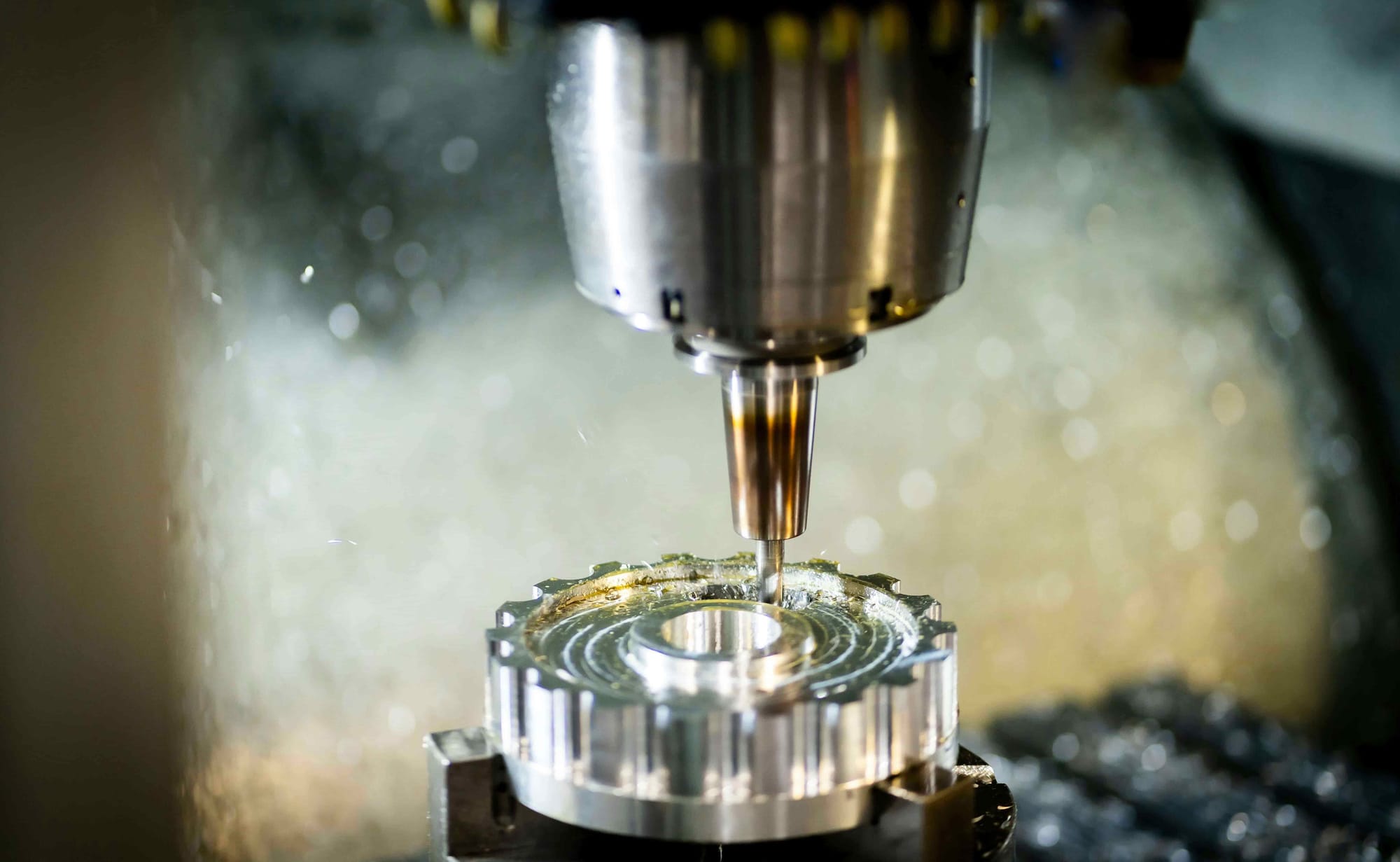

Have you ever wondered how manufacturers produce aircraft components, medical implants, or electronic parts with microscopic accuracy and virtually no room for error? The answer lies in precision manufacturing—a highly specialized approach that focuses on producing parts and products with extremely tight tolerances, exceptional consistency, and superior quality. As industries continue to demand higher performance, reliability, and customization, precision manufacturing has become a cornerstone of modern production.
The importance of precision manufacturing is growing rapidly across industries such as aerospace, automotive, medical devices, electronics, and industrial equipment. Even the smallest deviation in dimensions can lead to product failures, safety risks, regulatory issues, and increased costs. By combining advanced machinery, automation, data-driven processes, and rigorous quality control, manufacturers can achieve the accuracy needed to meet increasingly complex product requirements while maintaining efficiency and profitability.
This growing demand is reflected in market trends. The global precision manufacturing and machining market is currently valued at approximately $134 billion and is projected to exceed $224 billion by 2034. The expansion is being driven by technological advancements, increasing adoption of automation, rising quality standards, and the need for highly precise components in next-generation products. As a result, businesses are investing heavily in modern manufacturing technologies to remain competitive in a rapidly evolving marketplace.
To fully realize the benefits of precision manufacturing, companies also need strong production planning and operational control. Deskera MRP helps manufacturers streamline production scheduling, manage inventory levels, monitor shop floor activities, and optimize resource utilization from a single platform. With real-time visibility into manufacturing operations, automated workflows, and data-driven insights, Deskera MRP enables businesses to maintain high levels of accuracy, improve efficiency, and support continuous improvement initiatives essential for precision manufacturing success.
What Is Precision Manufacturing?
Precision manufacturing is the process of producing parts and components with extremely tight tolerances, high dimensional accuracy, and consistent quality. It involves transforming digital designs into physical products using advanced technologies such as Computer Numerical Control (CNC) machines, Computer-Aided Design (CAD), Computer-Aided Manufacturing (CAM), automation systems, and precision inspection equipment. The goal is to create components that meet exact specifications with minimal variation, often within microns or fractions of a millimeter.
Unlike traditional manufacturing methods that may allow greater dimensional variation and rely heavily on manual adjustments, precision manufacturing uses computer-controlled processes to minimize human error and ensure repeatability. CNC machines, for example, can precisely remove material from metal, plastic, or composite workpieces to create complex shapes and intricate features while maintaining exceptionally tight tolerances. This level of control enables manufacturers to produce identical parts consistently, even across large production runs.
Precision manufacturing focuses on three core principles: accuracy, repeatability, and process control. Accuracy ensures that every component matches the intended design specifications, while repeatability guarantees consistent results from one production cycle to the next. Advanced monitoring systems, automated inspection tools, and digital workflows help manufacturers maintain strict quality standards throughout the production process.
Today, precision manufacturing plays a critical role in industries such as aerospace, automotive, medical devices, electronics, and industrial equipment manufacturing. In these sectors, even the smallest deviation can affect product performance, safety, or reliability. By combining advanced machinery, sophisticated software, and rigorous quality control practices, precision manufacturing enables businesses to produce high-performance components that meet demanding industry requirements while improving efficiency and reducing waste.
Core Principles of Precision Manufacturing
Precision manufacturing is built on a set of fundamental principles that ensure products are produced accurately, consistently, and efficiently. These principles guide every stage of the manufacturing process, from design and production to inspection and quality assurance. By adhering to these core concepts, manufacturers can meet strict specifications, minimize defects, and deliver high-performance components for demanding industries.
Accuracy
Accuracy refers to the ability to manufacture parts that precisely match the intended design specifications. In precision manufacturing, even minor deviations can impact product performance, functionality, or safety. Advanced technologies such as CNC machining, CAD/CAM systems, and automated measurement tools help ensure components are produced within extremely tight tolerances.
Repeatability
Repeatability is the ability to consistently produce identical parts across multiple production runs. Whether manufacturing a dozen components or thousands, each part must meet the same quality and dimensional standards. Automated production processes and standardized workflows help eliminate variations and ensure consistent results.
Tight Tolerance Control
Tolerance control involves maintaining allowable dimensional variations within predefined limits. Precision manufacturing often requires tolerances measured in microns or fractions of a millimeter. Effective tolerance management ensures that components fit together correctly, perform reliably, and meet industry requirements.
Process Control
Process control focuses on monitoring and managing manufacturing operations to maintain product quality and operational stability. Manufacturers use sensors, real-time data collection, automation systems, and performance monitoring tools to identify issues early and prevent defects before they occur.
Quality Assurance and Inspection
Quality assurance ensures that products meet specified standards throughout the manufacturing process. Precision manufacturers use inspection techniques such as coordinate measuring machines (CMMs), laser scanning, and automated testing systems to verify dimensions, surface finishes, and product integrity before delivery.
Continuous Improvement
Continuous improvement involves regularly analyzing production performance and identifying opportunities to enhance efficiency, quality, and accuracy. By leveraging production data, advanced analytics, and employee feedback, manufacturers can reduce waste, optimize processes, and maintain a competitive advantage in increasingly demanding markets.
How Precision Manufacturing Works
Precision manufacturing follows a structured process designed to transform detailed engineering designs into highly accurate, high-quality components.
Every stage is carefully controlled to ensure products meet exact specifications, maintain tight tolerances, and deliver consistent performance.
Advanced technologies, automated equipment, and rigorous quality checks work together throughout the production cycle to achieve the required level of precision.
Product Design and Engineering
The process begins with product design and engineering, where manufacturers create detailed digital models and technical drawings using CAD software.
Engineers define dimensions, tolerances, material requirements, and performance specifications to ensure the final product meets functional and quality standards.
This stage lays the foundation for accurate production and helps identify potential manufacturing challenges before production begins.
Material Selection
Choosing the right material is critical to achieving the desired strength, durability, and performance of the final component. Manufacturers evaluate factors such as mechanical properties, thermal resistance, corrosion resistance, and machinability when selecting metals, plastics, composites, or other materials. Proper material selection helps ensure product reliability and manufacturing efficiency.
Precision Machining and Fabrication
Once the design and materials are finalized, production begins using advanced manufacturing technologies such as CNC milling, CNC turning, grinding, laser cutting, or electrical discharge machining (EDM).
These computer-controlled systems remove or shape material with exceptional accuracy, producing components that meet strict dimensional requirements while minimizing human error.
Inspection and Quality Control
Throughout the manufacturing process, components undergo continuous inspection and quality verification. Precision measurement tools, coordinate measuring machines (CMMs), laser scanners, and automated inspection systems are used to check dimensions, surface finishes, and tolerances. Early detection of deviations helps prevent defects and ensures compliance with quality standards.
Final Assembly and Testing
For products consisting of multiple components, the manufactured parts are assembled and tested to verify proper fit, functionality, and performance.
Manufacturers may conduct mechanical, electrical, environmental, or stress tests depending on the application. Once the product passes all quality and performance checks, it is prepared for delivery to the customer.
Key Technologies Used in Precision Manufacturing
Precision manufacturing relies on a combination of advanced technologies that enable manufacturers to produce highly accurate, consistent, and complex components. These technologies help minimize human error, improve repeatability, maintain tight tolerances, and optimize production efficiency.
As manufacturing requirements become more demanding, the integration of digital tools, automation, and intelligent systems has become essential for achieving precision at scale.
Computer Numerical Control (CNC) Machining
CNC machining is one of the most important technologies in precision manufacturing. It uses computer-controlled machines to remove material from a workpiece through processes such as milling, turning, drilling, boring, and grinding.
CNC machines follow programmed instructions generated from CAD/CAM software, allowing them to produce highly accurate components with exceptional consistency.
Modern multi-axis CNC machines can manufacture complex geometries in a single setup while maintaining extremely tight tolerances, making them ideal for aerospace, automotive, medical, and electronics applications.
Computer-Aided Design (CAD) and Computer-Aided Manufacturing (CAM)
CAD and CAM software form the digital foundation of precision manufacturing. CAD software allows engineers to create detailed 2D and 3D models of components, while CAM software converts these designs into machine-readable instructions.
Together, these technologies streamline product development, improve design accuracy, reduce production errors, and ensure seamless communication between design and manufacturing teams.
Automation and Robotics
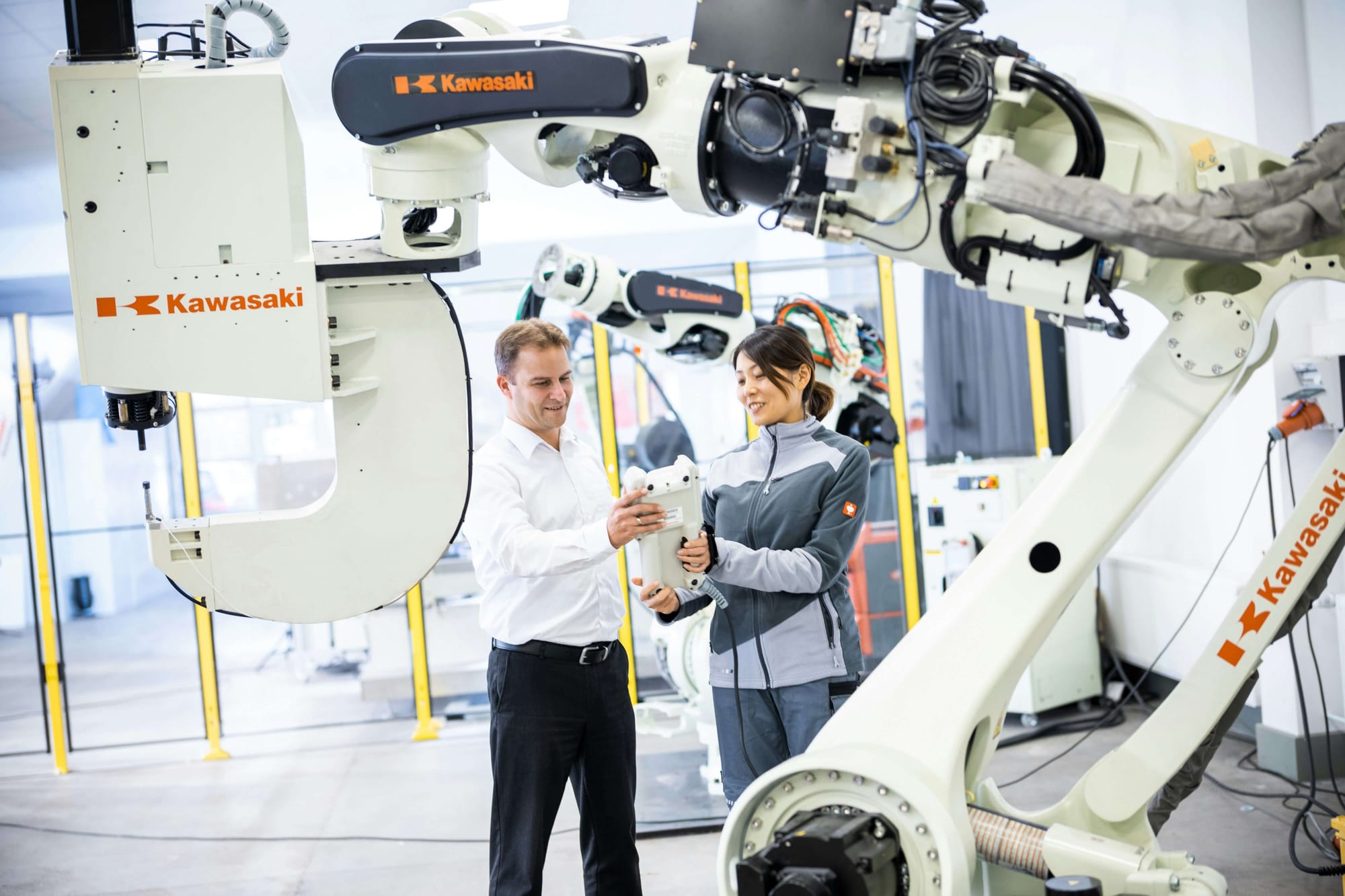
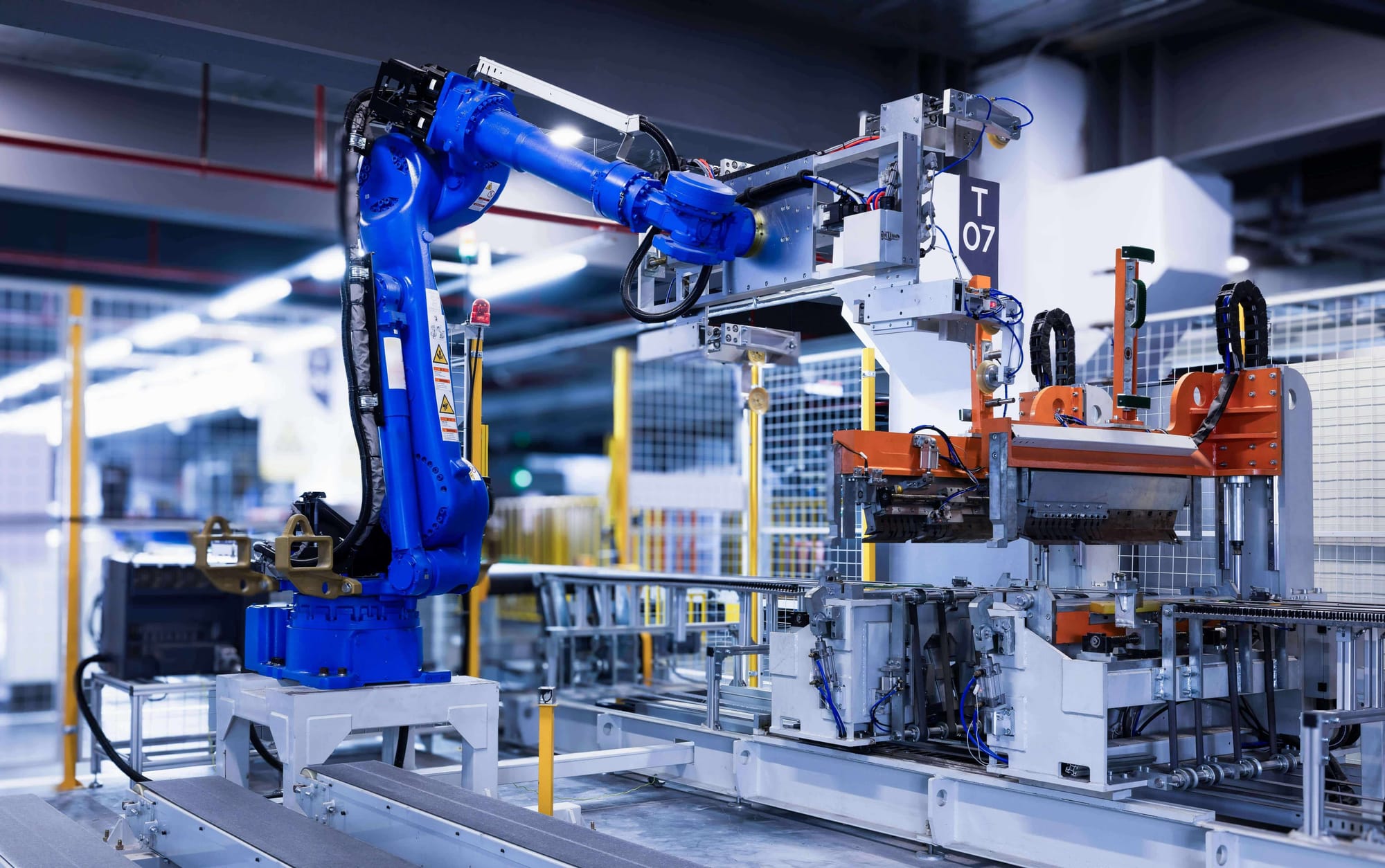
Automation and robotics help manufacturers improve consistency, productivity, and operational efficiency. Robotic systems can perform repetitive tasks such as material handling, assembly, welding, packaging, and machine loading with high precision.
By reducing manual intervention, automation minimizes errors, increases throughput, and enables manufacturers to maintain consistent quality across large production volumes.
Additive Manufacturing (3D Printing)
Additive manufacturing, commonly known as 3D printing, creates components by building material layer by layer based on digital designs.
Unlike traditional subtractive methods, this technology adds material only where needed, reducing waste and enabling the production of highly complex geometries.
Precision manufacturers often use 3D printing for rapid prototyping, customized parts, lightweight structures, and low-volume production runs.
Artificial Intelligence and Machine Learning
Artificial intelligence (AI) and machine learning are transforming precision manufacturing by enabling smarter decision-making and predictive capabilities.
These technologies can analyze large volumes of production data to identify patterns, optimize machining parameters, predict equipment failures, improve quality control, and support continuous process improvement.
AI-powered systems help manufacturers increase efficiency while reducing downtime and defects.
Industrial Internet of Things (IIoT)
The Industrial Internet of Things connects machines, sensors, and production equipment to collect and exchange real-time data.
IIoT technology provides manufacturers with greater visibility into machine performance, production status, energy consumption, and product quality.
Real-time monitoring allows faster problem detection, better process control, and more informed decision-making throughout the manufacturing operation.
Coordinate Measuring Machines (CMMs)
Coordinate Measuring Machines (CMMs) are advanced inspection systems used to verify the dimensional accuracy of manufactured components.
These machines measure physical features with exceptional precision and compare them against design specifications.
CMMs play a critical role in quality assurance by identifying deviations, validating tolerances, and ensuring that finished products meet strict industry standards before they reach customers.
Precision Manufacturing Industries and Applications
Precision manufacturing plays a vital role in industries where accuracy, reliability, and consistency are critical.
Its ability to produce components with tight tolerances and repeatable quality makes it essential for applications ranging from aerospace systems and medical devices to consumer electronics and industrial automation.
As products become increasingly complex and performance expectations continue to rise, precision manufacturing remains a key enabler of innovation and operational excellence across multiple sectors.
Aerospace Industry
The aerospace industry relies heavily on precision manufacturing to produce components that must withstand extreme temperatures, pressures, and operating conditions.
Parts such as turbine blades, engine components, actuator housings, landing gear systems, and structural assemblies require exceptional dimensional accuracy and reliability.
Precision manufacturing ensures these components meet strict safety, performance, and regulatory requirements while maintaining lightweight designs and fuel efficiency.
Automotive Industry
Precision manufacturing supports both automotive prototyping and large-scale production.
Critical components such as engine parts, transmission systems, fuel injection assemblies, braking systems, and gear mechanisms require tight tolerances to ensure optimal performance and durability.
By enabling consistent part production, precision manufacturing helps improve vehicle reliability, fuel efficiency, and overall manufacturing quality.
Medical Devices and Healthcare
Medical device manufacturing demands some of the highest levels of precision and quality control.
Surgical instruments, orthopedic implants, dental devices, diagnostic equipment, and medical housings must meet stringent regulatory standards and exact dimensional specifications.
Precision manufacturing enables the production of complex, highly reliable components that contribute to patient safety and treatment effectiveness.
Electronics and Semiconductor Industry
As electronic devices become smaller and more sophisticated, precision manufacturing has become essential for producing miniature components and assemblies.
Applications include smartphone housings, semiconductor equipment, sensor casings, connectors, optical components, and circuit board parts. Tight tolerances and precise alignment are critical to ensuring product performance, functionality, and reliability.
Defense and Military Applications
Defense systems operate in demanding environments where reliability is non-negotiable.
Precision manufacturing is used to produce components for weapon systems, surveillance equipment, communication devices, targeting systems, military vehicles, and aerospace defense applications.
The ability to achieve consistent quality and maintain strict compliance standards makes precision manufacturing indispensable in this sector.
Robotics and Industrial Automation
Robotics and automation systems depend on highly accurate components to achieve smooth movement, precise positioning, and long-term operational reliability.
Precision manufacturing is used to produce gears, actuators, robotic joints, housings, control systems, and motion components that require exact dimensions and minimal variation. These capabilities help improve the performance and lifespan of automated systems.
Consumer Electronics and Consumer Goods
Precision manufacturing enables the production of high-quality consumer products with consistent fit, finish, and functionality.
Applications include smartphones, wearable devices, laptops, smart home products, appliances, and personal care products.
Manufacturers rely on precision processes to create intricate designs, maintain product quality, and support large-scale production requirements.
Industrial Equipment Manufacturing
Industrial machinery and equipment often require highly durable and precisely engineered components to operate efficiently.
Precision manufacturing is used to produce bearings, valves, pumps, machine tools, hydraulic systems, and custom industrial parts.
Accurate manufacturing helps reduce equipment failures, improve performance, and extend operational lifespan.
Prototyping and Research & Development
Precision manufacturing is widely used in product development and research activities.
Engineers can create functional prototypes that closely replicate final production parts, allowing them to test designs, evaluate performance, and identify improvements before full-scale manufacturing begins.
Rapid prototyping capabilities help accelerate innovation while reducing development risks and costs.
Benefits of Precision Manufacturing
Precision manufacturing provides manufacturers with the ability to produce highly accurate, reliable, and consistent components while improving efficiency and reducing costs.
By combining advanced machinery, automation, digital design tools, and rigorous quality control, businesses can achieve superior production outcomes that would be difficult to replicate using conventional manufacturing methods.
These advantages make precision manufacturing essential for industries that demand exceptional quality and performance.
Higher Product Accuracy and Tighter Tolerances
One of the most significant benefits of precision manufacturing is its ability to produce components with extremely tight tolerances and minimal dimensional variation.
Advanced CNC machines, automated controls, and digital design systems ensure that every part closely matches the intended specifications.
This level of accuracy is critical in industries such as aerospace, medical devices, and electronics, where even minor deviations can affect product performance and safety.
Faster Production Cycles
Precision manufacturing accelerates production by integrating CAD/CAM software, automation, and computer-controlled machinery.
Once a design is finalized, manufacturing instructions can be generated quickly and executed with minimal manual intervention.
This streamlined workflow reduces lead times, enables faster prototyping, and helps businesses bring products to market more efficiently.
Reduced Material Waste and Rework
High levels of accuracy and repeatability significantly reduce the number of defective parts produced during manufacturing. Optimized machining paths, automated processes, and precise material usage help minimize scrap and rework, resulting in lower material consumption and reduced production costs. This also supports sustainability initiatives by reducing waste generation.
Greater Consistency and Repeatability
Precision manufacturing ensures that identical parts can be produced repeatedly with the same quality and dimensional accuracy. Automated systems and standardized production processes eliminate much of the variability associated with manual manufacturing methods. This consistency is especially important for large-scale production where uniformity directly impacts product reliability and customer satisfaction.
Lower Long-Term Manufacturing Costs
Although precision manufacturing technologies may require a higher initial investment, they often deliver substantial long-term cost savings.
Reduced waste, fewer defects, lower labor requirements, shorter production cycles, and improved operational efficiency help lower the total cost of manufacturing over time while improving profitability.
Easier Prototyping and Product Development
Modern precision manufacturing technologies support rapid prototyping, allowing manufacturers to quickly transform digital designs into functional prototypes.
Engineers can test, evaluate, and refine designs faster, reducing development time and identifying potential issues before full-scale production begins. This accelerates innovation and improves product quality.
Compatibility with a Wide Range of Materials
Precision manufacturing processes can work with a broad range of materials, including aluminum, titanium, stainless steel, copper alloys, plastics, composites, and specialty materials.
This flexibility allows manufacturers to select materials based on performance, durability, weight, and cost requirements without compromising accuracy or quality.
Enhanced Product Quality and Reliability
By maintaining strict process control and rigorous quality standards, precision manufacturing consistently produces components that perform as intended.
Improved dimensional accuracy, superior surface finishes, and tighter tolerances contribute to higher product reliability, fewer failures, and longer service life for finished products.
Improved Scalability
Precision manufacturing can efficiently support both low-volume production and high-volume manufacturing. Once a process is programmed and validated, manufacturers can scale production while maintaining the same level of accuracy and quality. This makes it easier to respond to changing market demand without sacrificing consistency.
Improved Safety and Reduced Human Error
Automation, robotics, and computer-controlled equipment reduce the need for manual intervention in many manufacturing operations. This minimizes the risk of human error, improves workplace safety, and ensures more consistent production outcomes. Real-time monitoring systems can also detect deviations early, helping prevent defects and equipment-related issues before they impact production.
Challenges and Risks of Precision Manufacturing
While precision manufacturing offers exceptional accuracy, consistency, and efficiency, it also presents several technical, operational, and financial challenges.
Producing components with extremely tight tolerances requires advanced equipment, skilled personnel, rigorous quality control, and continuous process optimization.
Understanding these challenges can help manufacturers develop effective strategies to minimize risks and maximize the return on their investments.
High Initial Investment
One of the biggest barriers to adopting precision manufacturing is the substantial upfront cost. Advanced CNC machines, automation systems, inspection equipment, CAD/CAM software, and quality control technologies require significant capital investment.
In addition to purchasing equipment, manufacturers must also account for installation, training, integration, and ongoing software upgrades. For small and mid-sized businesses, these costs can make implementation challenging without careful financial planning.
Skilled Labor Shortages
Despite increasing automation, precision manufacturing still depends heavily on skilled engineers, programmers, machinists, and quality control specialists.
Operating advanced machinery, creating optimized CAD/CAM programs, interpreting production data, and troubleshooting technical issues require specialized expertise.
As the manufacturing industry faces a growing shortage of skilled workers, many companies struggle to recruit and retain talent capable of supporting precision operations.
Machine Downtime and Maintenance Requirements
Precision manufacturing equipment must operate within extremely tight performance parameters to maintain accuracy. Regular wear and tear, tool degradation, spindle misalignment, and thermal fluctuations can affect machine performance over time.
Unplanned downtime not only disrupts production schedules but can also lead to quality issues and missed delivery deadlines. As a result, manufacturers must invest in preventive and predictive maintenance programs to ensure equipment reliability.
Maintaining Tight Tolerances
Achieving and maintaining tight tolerances remains one of the most demanding aspects of precision manufacturing.
Even minor factors such as tool wear, machine vibration, material inconsistencies, temperature changes, or fixture misalignment can affect dimensional accuracy.
Manufacturers must continuously monitor production processes, calibrate equipment, and conduct inspections to ensure products remain within specified tolerance limits.
Quality Defects and Process Variability
Because precision manufacturing operates with very small margins for error, even slight process variations can lead to defects.
Common issues include dimensional inaccuracies, surface finish imperfections, burr formation, thermal distortion, and material deformation.
Detecting and correcting these problems often requires advanced inspection systems, real-time monitoring, and robust quality management procedures.
Regulatory Compliance and Documentation Requirements
Many industries that rely on precision manufacturing—including aerospace, medical devices, automotive, and defense—have strict regulatory and quality standards.
Manufacturers must comply with industry certifications, maintain detailed production records, ensure traceability, and undergo regular audits.
Managing these compliance requirements can increase administrative workloads and require significant investments in documentation and quality assurance systems.
Supply Chain Disruptions
Precision manufacturing often depends on specialized materials, tooling, and components sourced from multiple suppliers.
Disruptions caused by supplier delays, raw material shortages, transportation issues, or geopolitical factors can impact production schedules and increase costs.
Maintaining a resilient supply chain and strong supplier relationships is essential for minimizing these risks.
Cybersecurity and Data Protection Risks
As precision manufacturing becomes increasingly connected through automation, IIoT devices, cloud platforms, and digital production systems, cybersecurity has become a growing concern.
Unauthorized access, data breaches, ransomware attacks, or system failures can disrupt operations and compromise sensitive manufacturing information.
Manufacturers must implement strong cybersecurity measures to protect production systems and intellectual property.
Balancing Cost, Speed, and Quality
Manufacturers often face pressure to reduce costs and shorten lead times while maintaining high precision and product quality. Balancing these competing priorities can be challenging, particularly in highly competitive industries.
Companies must carefully optimize processes, resource allocation, and production planning to meet customer expectations without compromising accuracy or profitability.
How to Ensure Precision in Manufacturing Processes
Achieving precision in manufacturing requires more than advanced machinery. It demands a systematic approach that combines technology, process control, skilled personnel, and continuous monitoring.
Manufacturers must focus on every stage of production—from design and material selection to machining, inspection, and maintenance—to consistently meet tight tolerances and quality requirements.
By implementing the right strategies, businesses can improve accuracy, reduce defects, and maintain reliable production performance.
Regularly Calibrate and Maintain Equipment
Precision manufacturing starts with well-maintained equipment. Over time, machine wear, thermal expansion, vibration, and alignment issues can affect dimensional accuracy.
Regular calibration ensures CNC machines, inspection systems, and production equipment continue to operate within specified tolerances. Preventive maintenance schedules and routine performance checks help minimize deviations and reduce the risk of costly downtime.
Leverage Advanced CAD/CAM Software
Computer-Aided Design (CAD) and Computer-Aided Manufacturing (CAM) software play a critical role in ensuring manufacturing accuracy.
CAD systems create precise digital models, while CAM software generates optimized machining instructions for production equipment.
Advanced software tools can simulate machining operations, identify potential issues before production begins, and reduce the likelihood of programming errors that affect part quality.
Implement Robust Quality Control Processes
Quality control should be integrated throughout the entire manufacturing process rather than performed only at the final inspection stage.
In-process inspections, automated measurement systems, statistical process control (SPC), and coordinate measuring machines (CMMs) help detect deviations early.
Continuous quality monitoring allows manufacturers to make corrections quickly and prevent defects from affecting larger production batches.
Invest in Employee Training and Skill Development
Even highly automated manufacturing environments rely on skilled operators, programmers, engineers, and quality specialists.
Ongoing training ensures employees remain proficient in operating advanced equipment, interpreting production data, and applying best practices.
A knowledgeable workforce can identify issues faster, optimize processes, and contribute to maintaining consistent manufacturing precision.
Select and Handle Materials Carefully
Material properties significantly influence manufacturing accuracy and product performance. Factors such as hardness, thermal expansion, machinability, and dimensional stability must be considered during material selection.
Proper storage, handling, and preparation of raw materials help prevent contamination, deformation, and other issues that could impact final product quality.
Adopt Advanced Manufacturing Technologies
Modern manufacturing technologies such as multi-axis CNC machines, robotics, automation systems, additive manufacturing, and digital twins provide greater control over production processes.
These technologies improve repeatability, reduce human error, and enable manufacturers to achieve tighter tolerances while increasing productivity and operational efficiency.
Utilize Real-Time Monitoring and Data Analytics
Real-time monitoring systems provide continuous visibility into machine performance, production conditions, and process variables.
Sensors, Industrial Internet of Things (IIoT) devices, and data analytics platforms help identify abnormalities before they affect product quality.
Access to accurate production data allows manufacturers to make proactive adjustments and maintain process stability.
Implement Predictive Maintenance Programs
Predictive maintenance uses machine data, sensors, and analytics to identify potential equipment issues before failures occur.
Monitoring factors such as vibration, temperature, tool wear, and machine load helps manufacturers schedule maintenance activities at the right time.
This approach reduces unexpected downtime, protects equipment accuracy, and extends machine lifespan.
Standardize Manufacturing Processes
Standardized operating procedures help ensure consistency across production runs and reduce process variability.
Clearly documented workflows, machine settings, inspection methods, and quality standards enable manufacturers to replicate successful processes and maintain repeatable results regardless of production volume or personnel changes.
Foster a Culture of Continuous Improvement
Precision manufacturing requires ongoing refinement and optimization. Manufacturers should regularly analyze production data, evaluate quality performance, identify process bottlenecks, and implement corrective actions.
Continuous improvement initiatives help enhance accuracy, reduce waste, improve efficiency, and ensure long-term competitiveness in an increasingly demanding manufacturing environment.
Best Practices for Successful Precision Manufacturing
Success in precision manufacturing depends on more than advanced equipment and technology.
Manufacturers must establish disciplined processes, maintain strict quality standards, and continuously optimize operations to achieve consistent accuracy and efficiency.
By following proven best practices, businesses can improve product quality, reduce operational risks, and maximize the value of their precision manufacturing investments.
Invest in Advanced Manufacturing Technologies
Modern technologies such as multi-axis CNC machines, automation systems, robotics, additive manufacturing, and digital twins enable greater accuracy, repeatability, and process control.
Investing in the right technology helps manufacturers meet tighter tolerances, produce complex components more efficiently, and remain competitive in rapidly evolving markets.
Prioritize Quality at Every Stage
Quality should be integrated into every phase of the manufacturing process rather than treated as a final inspection activity. Implementing in-process inspections, statistical process control (SPC), automated measurement systems, and rigorous testing procedures helps identify issues early and prevents defects from reaching customers.
Maintain Regular Equipment Calibration and Maintenance
Even minor machine deviations can affect product accuracy and consistency. Establishing preventive and predictive maintenance programs helps keep equipment operating at peak performance.
Regular calibration, alignment checks, and condition monitoring reduce the risk of machine-related errors, downtime, and quality problems.
Leverage CAD/CAM and Digital Manufacturing Tools
Advanced CAD/CAM software improves design accuracy and streamlines the transition from engineering to production.
Digital manufacturing tools enable process simulation, toolpath optimization, and virtual testing, helping manufacturers identify potential issues before production begins and reducing costly errors.
Focus on Workforce Development
Skilled employees remain essential to precision manufacturing success. Providing ongoing training in machining techniques, automation systems, quality control methods, and emerging technologies helps employees maintain high performance levels. A knowledgeable workforce is better equipped to solve problems, improve processes, and adapt to changing production requirements.
Standardize Processes and Workflows
Documented procedures and standardized operating practices help reduce variability across production runs. Consistent machine settings, inspection methods, setup procedures, and quality standards ensure repeatable results and make it easier to maintain product quality regardless of production volume.
Use Real-Time Monitoring and Data Analytics
Real-time production monitoring provides immediate visibility into machine performance, production progress, and quality metrics. By analyzing operational data, manufacturers can detect anomalies, address bottlenecks, optimize machine utilization, and make informed decisions that improve overall efficiency and precision.
Strengthen Supplier and Material Management
Precision manufacturing depends on high-quality raw materials and reliable suppliers. Establishing strong supplier relationships, conducting material inspections, and maintaining strict procurement standards help ensure material consistency and reduce the risk of quality issues that can affect finished products.
Implement Robust Traceability Systems
Maintaining complete traceability throughout the production process helps manufacturers monitor product quality, support regulatory compliance, and quickly identify the root causes of defects.
Digital tracking systems provide visibility into materials, production activities, inspections, and finished goods, improving accountability and operational control.
Embrace Continuous Improvement
Manufacturers should regularly review performance metrics, quality data, and production processes to identify opportunities for improvement.
Continuous improvement initiatives help reduce waste, increase efficiency, enhance product quality, and ensure long-term success in a competitive manufacturing environment.
Key Metrics to Track in Precision Manufacturing
Measuring performance is essential for maintaining the accuracy, efficiency, and consistency required in precision manufacturing.
By tracking the right metrics, manufacturers can identify process inefficiencies, monitor product quality, reduce waste, and ensure that production operations consistently meet tight tolerance requirements.
These key performance indicators (KPIs) provide valuable insights that support continuous improvement and better decision-making.
First Pass Yield (FPY)
First Pass Yield measures the percentage of products that meet quality specifications without requiring rework or repairs. A high FPY indicates that manufacturing processes are operating effectively and producing accurate parts on the first attempt. Monitoring this metric helps identify quality issues early and reduce production costs associated with rework and scrap.
Overall Equipment Effectiveness (OEE)
OEE evaluates how efficiently manufacturing equipment is being utilized by measuring availability, performance, and quality. This metric provides a comprehensive view of machine productivity and helps manufacturers identify downtime, speed losses, and quality-related inefficiencies that may affect production accuracy and output.
Defect Rate
The defect rate tracks the percentage of manufactured components that fail to meet specified quality standards. Monitoring defect rates helps manufacturers identify recurring quality issues, improve process control, and reduce the risk of customer complaints, product recalls, or regulatory non-compliance.
Machine Utilization Rate
Machine utilization measures how effectively production equipment is being used during available operating time. Low utilization rates may indicate scheduling inefficiencies, excessive downtime, or capacity planning issues. Improving machine utilization helps maximize production output while maintaining precision and quality standards.
Production Cycle Time
Production cycle time measures the total time required to manufacture a product from start to finish. Tracking cycle times helps manufacturers identify bottlenecks, optimize workflows, and improve production efficiency without compromising product accuracy or quality.
Scrap and Rework Rate
This metric measures the amount of material wasted through defective products, production errors, or rework activities. High scrap and rework rates often indicate issues with process control, machine performance, operator training, or material quality. Reducing these rates lowers costs and improves operational efficiency.
On-Time Delivery Rate
On-time delivery rate tracks the percentage of customer orders delivered according to the agreed schedule. In precision manufacturing, meeting delivery commitments is just as important as maintaining product quality. This metric helps evaluate production planning effectiveness and overall supply chain performance.
Process Capability (Cp and Cpk)
Process capability metrics measure how consistently a manufacturing process operates within specified tolerance limits. Cp evaluates the potential capability of a process, while Cpk measures actual process performance considering process variation and centering. These metrics are particularly important in precision manufacturing, where maintaining tight tolerances is critical.
Customer Return Rate
Customer return rate indicates the percentage of products returned due to defects, performance issues, or quality concerns. Tracking this metric helps manufacturers assess product reliability, identify quality gaps, and improve customer satisfaction through better production and inspection processes.
Mean Time Between Failures (MTBF)
MTBF measures the average operating time between equipment failures. A higher MTBF indicates greater equipment reliability and stability. Monitoring this metric supports preventive maintenance planning, reduces unexpected downtime, and helps maintain consistent production accuracy.
How Deskera MRP Helps Precision Manufacturers
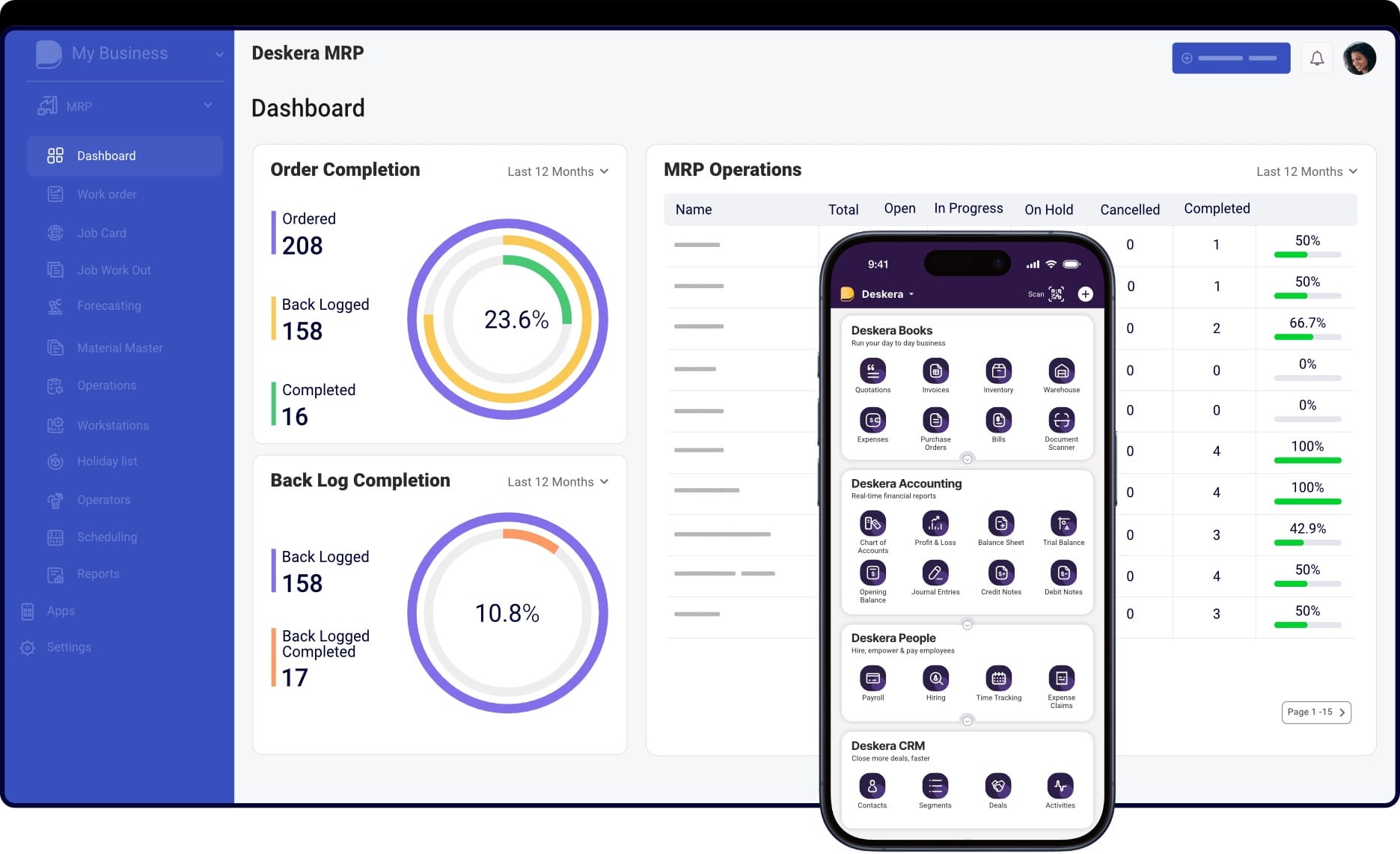
Precision manufacturers operate in an environment where accuracy, traceability, machine reliability, and production efficiency are critical. Deskera MRP provides an integrated platform that helps manufacturers manage materials, production schedules, machine performance, work orders, and quality-related processes from a single system. This enables greater control over manufacturing operations while supporting consistent product quality and on-time delivery.
Streamlines Production Planning and Scheduling
Precision manufacturing often involves complex workflows, tight deadlines, and strict production requirements. Deskera MRP helps manufacturers create detailed production plans, allocate resources, set schedules, and track production activities in real time. Better planning reduces bottlenecks, improves resource utilization, and ensures production runs stay on schedule.
Improves Material Availability and Inventory Control
Material shortages can disrupt precision manufacturing operations and delay customer deliveries. Deskera's Material Requirements Planning (MRP) capabilities help manufacturers manage inventory levels, track material availability, plan procurement activities, and ensure the right materials are available when needed. This reduces stockouts while avoiding excess inventory costs.
Supports Complex Product Structures with Multi-Level BOMs
Precision-manufactured products often contain multiple assemblies and subassemblies. Deskera MRP's Multi-Level Bill of Materials (BOM) functionality allows manufacturers to manage complex product structures, track component usage, and maintain visibility into material costs throughout the production process.
Enhances Work Order Management
Accurate execution is essential in precision manufacturing. Deskera automates work order creation, assignment, tracking, and completion monitoring. Manufacturers can track labor, machine utilization, production progress, and associated costs, helping ensure every production order is completed according to specifications.
Improves Machine Performance and Maintenance Management
Machine accuracy directly affects product quality in precision manufacturing. Deskera's Machine Management and Machine Maintenance capabilities help manufacturers monitor machine performance, automate maintenance scheduling, track equipment health, and reduce unexpected downtime. This helps maintain production accuracy while extending equipment lifespan.
Provides Real-Time Visibility into Work-in-Progress (WIP)
Precision manufacturers need visibility into production status at every stage. Deskera MRP offers WIP tracking capabilities that allow manufacturers to monitor production progress, identify bottlenecks, track material consumption, and make informed decisions before delays impact delivery schedules.
Reduces Waste Through Yield and Scrap Tracking
Material waste and production defects can significantly increase costs in precision manufacturing. Deskera helps manufacturers track by-products, scrap, production yields, and finished goods costs. These insights enable continuous process improvement and help identify opportunities to reduce waste and improve profitability.
Improves Demand Forecasting and Resource Planning
Demand fluctuations can make production planning challenging. Deskera MRP provides demand forecasting capabilities that help manufacturers anticipate customer requirements, optimize inventory levels, and align production capacity with expected demand. This improves responsiveness while reducing planning errors.
Delivers Actionable Production Insights
Deskera's production reporting tools provide visibility into manufacturing costs, productivity, efficiency, and profitability. Precision manufacturers can use these insights to monitor key performance indicators, identify process inefficiencies, and make data-driven decisions that support continuous improvement initiatives.
Supports Consistent Quality and Operational Control
By integrating production planning, inventory management, machine monitoring, work orders, and reporting into a single platform, Deskera MRP helps manufacturers establish greater process consistency and operational control. This is particularly valuable for precision manufacturers that must maintain tight tolerances, minimize variability, and consistently meet customer quality expectations.
Key Takeaways
- Precision manufacturing produces highly accurate components with tight tolerances, ensuring consistent quality, reliability, and performance across demanding applications.
- The core principles of precision manufacturing—accuracy, repeatability, process control, quality assurance, and automation—form the foundation of successful production operations.
- Precision manufacturing works through a structured process that combines digital design, advanced machining, inspection, and quality control to transform designs into highly accurate parts.
- Technologies such as CNC machining, CAD/CAM software, automation, robotics, additive manufacturing, AI, IIoT, and CMMs enable manufacturers to achieve exceptional precision and efficiency.
- Precision manufacturing improves product accuracy, reduces waste, accelerates production, supports complex designs, and delivers long-term operational cost savings.
- Despite its advantages, precision manufacturing presents challenges such as high capital investment, skilled labor shortages, equipment maintenance requirements, and strict compliance demands.
- Maintaining precision requires regular equipment calibration, advanced software utilization, robust quality control, workforce training, and continuous process monitoring.
- Successful precision manufacturing depends on adopting best practices such as standardizing workflows, investing in modern technology, prioritizing quality, and fostering continuous improvement.
- Tracking key metrics such as First Pass Yield (FPY), OEE, defect rates, process capability, cycle time, and machine utilization helps manufacturers optimize performance and maintain accuracy.
- Precision manufacturing supports critical industries including aerospace, automotive, medical devices, electronics, defense, robotics, industrial equipment, and product development.
- Deskera MRP helps precision manufacturers improve production planning, inventory management, machine maintenance, work order tracking, demand forecasting, and operational visibility to support consistent quality and efficiency.
Related Articles
 Niti Samani
 Niti Samani
 Niti Samani
 Niti Samani
 Niti Samani
 Niti Samani