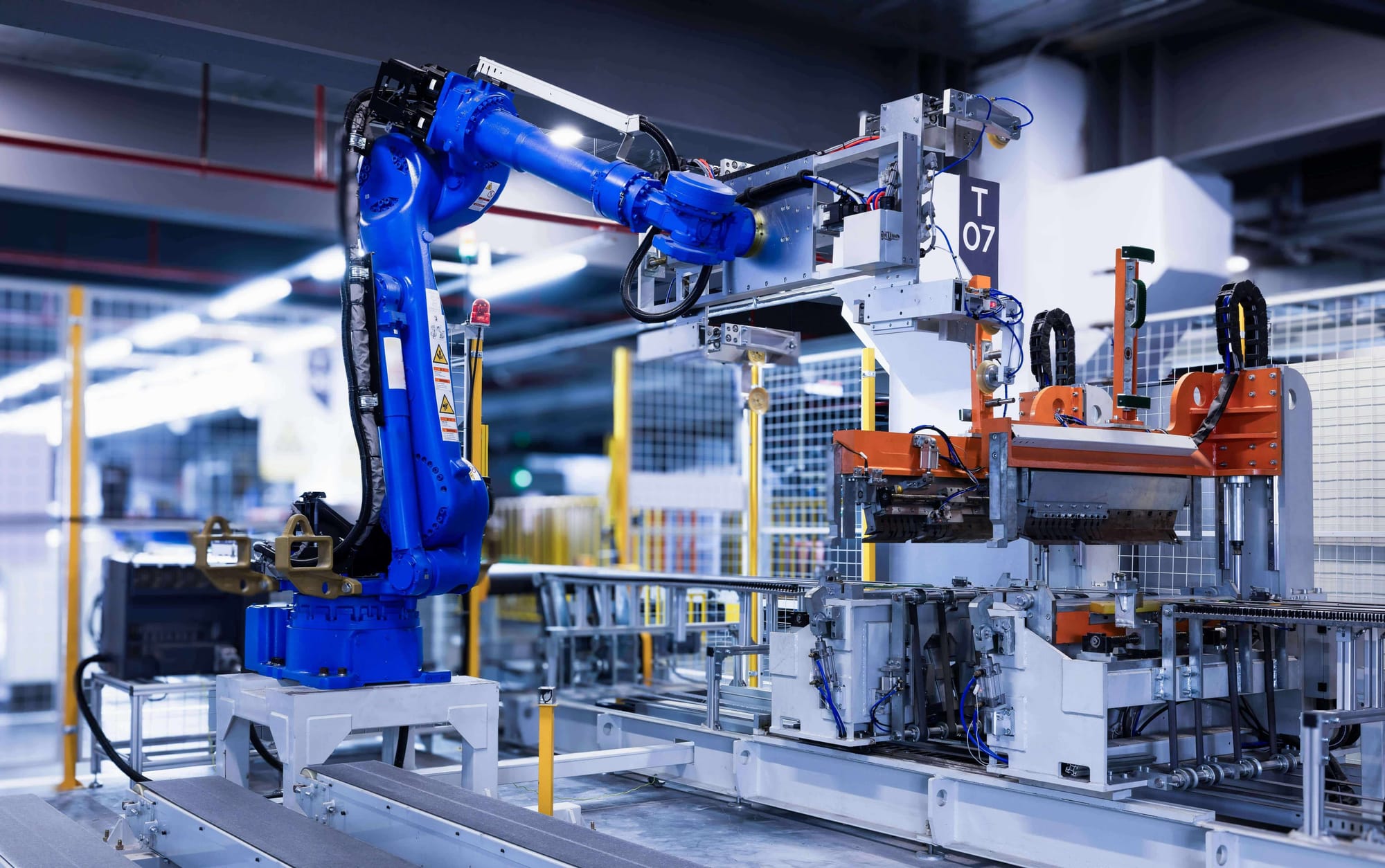

What separates highly efficient manufacturers from those constantly battling delays, downtime, and rising operational costs? The answer often lies in one critical metric: machine utilization. In today’s competitive manufacturing landscape, simply owning advanced machinery is not enough. Businesses must ensure that every machine operates at its maximum productive potential with minimal idle time, breakdowns, and inefficiencies. High machine utilization directly impacts production output, operational efficiency, profitability, and customer satisfaction, making it a cornerstone of modern manufacturing success.
Machine utilization refers to how effectively manufacturing equipment is being used compared to its total available production time. When machines sit idle due to maintenance issues, poor scheduling, material shortages, or operational bottlenecks, manufacturers lose valuable production capacity and revenue opportunities. On the other hand, optimized machine utilization helps businesses reduce downtime, improve throughput, lower manufacturing costs, and extend equipment lifespan. As manufacturers continue adopting automation and smart factory technologies, machine utilization has become more data-driven and measurable than ever before.
Modern manufacturers are increasingly leveraging digital tools, IoT sensors, predictive maintenance systems, artificial intelligence, and real-time analytics to monitor machine performance and identify inefficiencies before they escalate into costly disruptions. From reducing setup times to improving production scheduling and maintenance planning, businesses are focusing on maximizing the productivity of every asset across the shop floor. In industries where margins are tight and customer expectations are constantly rising, improving machine utilization can create a significant competitive advantage.
Deskera MRP helps manufacturers streamline production planning, inventory control, maintenance scheduling, and shop floor operations from a centralized platform. With real-time production visibility, automated workflows, demand forecasting, and smart resource allocation, Deskera MRP enables businesses to minimize machine downtime and improve equipment utilization. Its advanced analytics and reporting capabilities allow manufacturers to monitor machine performance, optimize production schedules, and make data-driven operational decisions that improve efficiency and profitability across manufacturing operations.
What Is Machine Utilization?
Machine utilization is a key performance metric that measures how effectively a machine or piece of equipment is being used during its available operating time. In simple terms, it shows the percentage of time a machine is actively running and producing output compared to the total time it is available for production. Manufacturers use machine utilization to evaluate equipment productivity, identify inefficiencies, and improve operational performance across the shop floor.
Machine utilization is commonly used alongside manufacturing KPIs such as Overall Equipment Effectiveness (OEE), production efficiency, and capacity utilization. A higher machine utilization rate indicates that equipment is being used efficiently with minimal idle time, while a lower utilization rate suggests downtime, underuse, maintenance issues, or production bottlenecks. Monitoring utilization helps businesses reduce operational losses, optimize resource allocation, and maximize return on equipment investments.
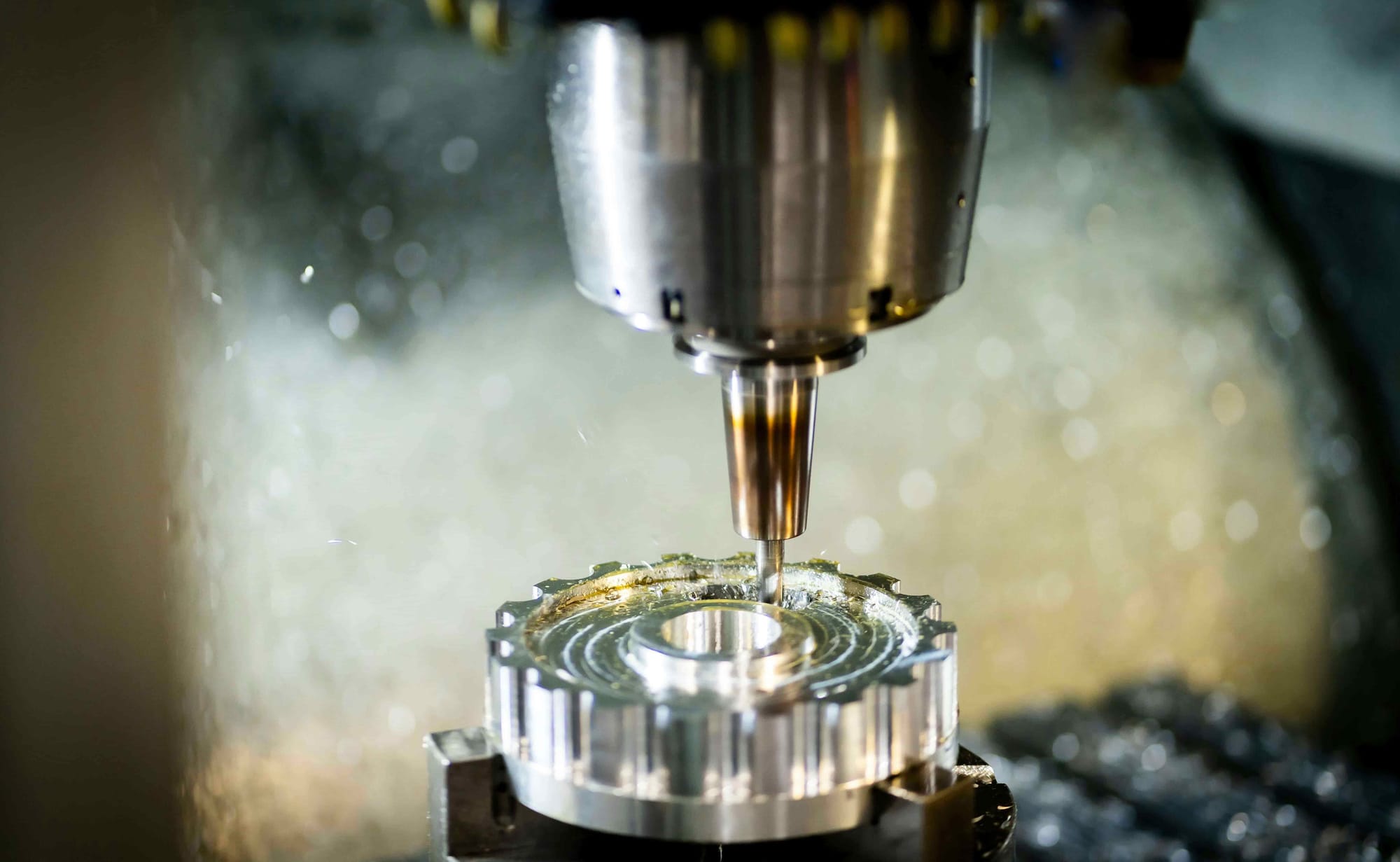
For example, consider a CNC machining center in an automotive parts manufacturing facility that is scheduled to operate for 16 hours per day. Due to maintenance activities, material shortages, and changeover delays, the machine only runs productively for 12 hours. This indicates that a portion of the machine’s available time was lost to operational inefficiencies, reducing its overall utilization and affecting production output.
Another example can be seen in a packaging facility where a carton sealing machine is available for an entire production shift but remains idle for several hours because of conveyor jams, operator breaks, and delayed material supply. Even though the equipment is technically available, interruptions and downtime prevent it from operating at full capacity. By monitoring machine utilization, manufacturers can identify these inefficiencies, reduce idle time, improve scheduling, and maximize the productivity of their equipment and production lines.
Machine utilization is especially important in modern manufacturing environments where equipment investments are expensive and production schedules are tightly linked to customer demand. By continuously monitoring machine performance, businesses can improve throughput, reduce downtime, optimize maintenance schedules, and ensure that production assets are operating as efficiently as possible.
Key Components of Machine Utilization
Machine utilization is influenced by several operational factors that determine how effectively production equipment performs during available working hours. Understanding these key components helps manufacturers identify inefficiencies, minimize downtime, and improve overall equipment productivity. By monitoring these elements closely, businesses can optimize machine performance, improve production output, and maximize return on equipment investments.
Machine Availability
Machine availability refers to the amount of time equipment is ready and available for production compared to the total scheduled operating time. Unplanned breakdowns, maintenance activities, setup delays, and material shortages can reduce machine availability and negatively impact utilization rates. Maintaining high equipment availability is essential for ensuring uninterrupted production and maximizing operational efficiency across manufacturing processes.
Machine Performance
Machine performance measures how efficiently equipment operates while running. Even when machines are available and operational, factors such as reduced operating speeds, minor stoppages, inefficient workflows, or improper machine settings can lower productivity. Monitoring machine performance helps manufacturers identify speed losses and operational inefficiencies that prevent equipment from operating at optimal production capacity.
Quality Output
Quality output evaluates the percentage of defect-free products produced during machine operation. High levels of scrap, rework, or defective products reduce effective machine utilization because production time and resources are wasted on unusable output. Improving quality control processes, operator training, and machine calibration helps manufacturers maximize productive output and maintain consistent manufacturing standards.
Downtime Management
Downtime management focuses on minimizing production interruptions caused by machine failures, maintenance activities, changeovers, or operational bottlenecks. Both planned and unplanned downtime directly affect machine utilization by reducing the amount of productive operating time available. Effective downtime tracking and analysis help manufacturers identify recurring issues and implement corrective actions to improve equipment reliability.
Maintenance Efficiency
Maintenance efficiency measures how effectively preventive, predictive, and corrective maintenance activities support equipment reliability and operational continuity. Poor maintenance practices can lead to frequent breakdowns, extended repair times, and reduced machine productivity. Implementing proactive maintenance strategies helps manufacturers improve machine health, reduce downtime, and extend equipment lifespan while supporting higher utilization rates.
Production Scheduling
Production scheduling plays a critical role in ensuring machines are utilized efficiently throughout manufacturing operations. Poor scheduling can create idle time, production bottlenecks, and uneven workload distribution across equipment. Effective production planning helps manufacturers align machine availability with production demand, optimize resource allocation, and maintain smooth operational workflows across the shop floor.
Factors Affecting Machine Utilization
Machine utilization is influenced by several operational, technical, and organizational factors that determine how efficiently production equipment performs during available operating hours. Even advanced machinery can experience low utilization if production workflows, maintenance processes, or resource planning are not properly managed. Understanding these factors helps manufacturers identify inefficiencies, reduce downtime, and maximize equipment productivity across manufacturing operations.
Unplanned Downtime
Unexpected machine breakdowns, equipment failures, and emergency maintenance activities are among the biggest factors affecting machine utilization. Unplanned downtime interrupts production schedules, reduces operating hours, and increases manufacturing delays. Frequent breakdowns can also lead to higher repair costs and lower production efficiency. Implementing preventive and predictive maintenance strategies helps manufacturers minimize unexpected interruptions and improve equipment reliability.
Excessive Changeover Times
Long setup and changeover times reduce the amount of time machines spend actively producing goods. In manufacturing environments with frequent product variations, equipment may remain idle during tool replacements, recalibration, cleaning, or configuration adjustments. Techniques such as Single-Minute Exchange of Die (SMED), standardized setup procedures, and operator training help manufacturers reduce transition times and improve machine utilization.
Poor Production Planning
Inefficient production planning can result in machine idle time, uneven workload distribution, and production bottlenecks. When schedules are not properly aligned with production demand, machines may remain inactive while waiting for materials, labor, or production instructions. Effective production scheduling and capacity planning help manufacturers optimize machine usage, improve workflow efficiency, and maintain continuous production operations.
Underutilization of Equipment
Machines may sometimes operate below their full production capacity even when they are actively running. Factors such as inefficient cycle times, low production speeds, improper machine settings, or suboptimal workflows can reduce equipment productivity. Monitoring machine performance and optimizing operational processes help manufacturers maximize output and improve overall equipment effectiveness.
Lack of Preventive Maintenance
Poor maintenance practices can lead to increased equipment wear, frequent breakdowns, and reduced operational efficiency. Without regular inspections and preventive maintenance, machines are more likely to experience unexpected failures that disrupt production. Establishing proactive maintenance schedules helps improve machine reliability, extend equipment lifespan, and maintain consistent utilization levels.
Material Shortages and Supply Chain Delays
Machine utilization can decline when raw materials, components, or production supplies are not available on time. Supply chain disruptions and inventory shortages force machines to remain idle until materials arrive, causing production delays and lost output. Efficient inventory management and supply chain coordination help manufacturers maintain uninterrupted production workflows.
Operator Skill and Workforce Efficiency
Machine performance is heavily influenced by the skills and efficiency of machine operators and production staff. Inadequate training, operational errors, and inefficient workflows can reduce production speed and increase downtime. Investing in workforce training and standardized operating procedures helps improve machine handling, reduce errors, and enhance overall equipment productivity.
Inefficient Workflow and Production Bottlenecks
Poorly designed workflows and bottlenecks in production lines can prevent machines from operating continuously. Delays in upstream or downstream processes may force equipment to stop or wait unnecessarily during production cycles. Streamlining workflows and improving process coordination help manufacturers maintain smoother operations and better machine utilization.
Lack of Real-Time Monitoring
Without real-time visibility into machine performance, manufacturers may struggle to identify operational inefficiencies, downtime causes, and underutilized equipment. Manual tracking methods often delay problem detection and corrective actions. Using machine monitoring software, IoT sensors, and ERP systems enables businesses to track utilization data in real time and improve operational decision-making.
Energy and Environmental Conditions
Power fluctuations, unstable operating environments, excessive heat, humidity, or poor ventilation can negatively affect machine performance and reliability. Environmental factors may lead to equipment slowdowns, increased maintenance requirements, or unexpected failures. Maintaining proper operating conditions helps ensure stable machine performance and supports higher utilization rates.
Types of Machine Utilization
Machine utilization can be measured in different ways depending on the manufacturing environment, production objectives, and operational processes involved.
Understanding the various types of machine utilization helps manufacturers identify inefficiencies, optimize production capacity, and improve equipment performance across different stages of operations.
Each type focuses on a specific aspect of how machinery, resources, and production systems are being used within a facility.
Production Machine Utilization
Production machine utilization measures how effectively equipment is used during active manufacturing operations. It focuses on the amount of time machines spend producing goods compared to their available production time.
Manufacturers use this type of utilization to monitor shop floor productivity, identify idle equipment, reduce operational delays, and ensure machines are consistently contributing to production targets and output goals.
Capacity Utilization
Capacity utilization evaluates how much of a machine’s maximum production capability is being used under actual operating conditions. It helps manufacturers understand whether production resources are underutilized, fully optimized, or overloaded. Monitoring capacity utilization supports better production planning, resource allocation, and demand forecasting while helping businesses maintain operational efficiency and avoid production bottlenecks during peak manufacturing periods.
Labor-Assisted Machine Utilization
Labor-assisted machine utilization focuses on machines that rely partly on human operators for setup, operation, monitoring, or material handling. In these environments, equipment productivity is closely connected to workforce efficiency and operator skills.
Delays caused by manual interventions, training gaps, or inefficient workflows can reduce utilization rates, making workforce coordination and operational standardization critical for maintaining consistent machine performance.
Automated Machine Utilization
Automated machine utilization measures the performance of machines operating with minimal human intervention using robotics, automation systems, IoT devices, and smart manufacturing technologies.
This type of utilization is common in Industry 4.0 environments where real-time monitoring and predictive analytics improve equipment efficiency.
Automated utilization tracking helps manufacturers reduce downtime, increase production speed, and maintain consistent operational performance across highly automated facilities.
Machine Utilization Formula and Calculations
Machine utilization calculations help manufacturers measure how efficiently production equipment is being used during available operating hours. By tracking utilization rates, businesses can identify downtime, improve production planning, reduce operational inefficiencies, and maximize equipment productivity.
Basic Machine Utilization Formula
Machine Utilization (%) = (Actual Machine Running Time / Available Production Time) × 100
Where:
- Actual Machine Running Time = Total time the machine is actively producing
- Available Production Time = Total scheduled production time excluding planned shutdowns
Example Calculation
Suppose a laser cutting machine is scheduled to operate for 20 hours in a day. However, due to maintenance delays and material shortages, the machine only runs productively for 15 hours.
Machine Utilization (%) = (15 / 20) × 100
Machine Utilization (%) = 75%
This means the machine was actively utilized for 75% of its available production time.
Capacity Utilization Formula
Capacity utilization measures how much of a machine’s maximum production capacity is actually being used.
Capacity Utilization (%) = (Actual Production Output / Maximum Possible Output) × 100
Where:
- Actual Production Output = Units actually produced
- Maximum Possible Output = Maximum output achievable under ideal conditions
Example Calculation
A plastic molding machine can ideally produce 12,000 components per day. However, due to operational interruptions, it produces only 9,000 components.
Capacity Utilization (%) = (9,000 / 12,000) × 100
Capacity Utilization (%) = 75%
This indicates the machine is operating at 75% of its maximum production capacity.
Downtime Percentage Formula
Downtime percentage measures the amount of production time lost because of breakdowns, maintenance, setup delays, or other interruptions.
Downtime Percentage (%) = (Downtime Hours / Total Available Hours) × 100
Example Calculation
If a packaging machine is available for 18 hours but experiences 3 hours of downtime:
Downtime Percentage (%) = (3 / 18) × 100
Downtime Percentage (%) = 16.7%
This means 16.7% of the machine’s available production time was lost to downtime.
Machine Idle Time Formula
Idle time measures the amount of time equipment remains operationally available but is not actively producing.
Machine Idle Time (%) = (Idle Time / Available Production Time) × 100
Example Calculation
A conveyor system is available for 14 hours but remains idle for 2 hours due to workflow bottlenecks.
Machine Idle Time (%) = (2 / 14) × 100
Machine Idle Time (%) = 14.3%
Throughput Rate Formula
Throughput rate measures the number of units a machine produces within a specific period.
Throughput Rate = Total Units Produced / Total Production Time
Example Calculation
A filling machine produces 24,000 bottles in 8 hours.
Throughput Rate = 24,000 / 8
Throughput Rate = 3,000 bottles per hour
Overall Equipment Effectiveness (OEE) Formula
OEE is a comprehensive manufacturing metric used to evaluate machine productivity based on availability, performance, and quality.
OEE (%) = Availability × Performance × Quality
Where:
- Availability = Actual Operating Time / Planned Production Time
- Performance = Actual Output / Expected Output
- Quality = Good Units Produced / Total Units Produced
Example Calculation
Suppose:
- Availability = 90%
- Performance = 85%
- Quality = 95%
OEE (%) = 0.90 × 0.85 × 0.95
OEE (%) = 72.7%
This means the machine’s overall productive efficiency is 72.7%.
By consistently tracking these metrics, manufacturers can improve shop floor visibility, maximize equipment productivity, and build more efficient production operations.
Relationship Between Machine Utilization and OEE
Machine utilization and Overall Equipment Effectiveness (OEE) are closely connected manufacturing metrics used to evaluate equipment productivity and operational performance.
While machine utilization measures how much time a machine is actively operating compared to its available production time, OEE provides a broader analysis of how effectively the equipment performs during operation.
Together, these metrics help manufacturers gain deeper insights into machine efficiency, production losses, and operational improvement opportunities.
Machine Utilization Focuses on Equipment Usage
Machine utilization primarily measures whether production equipment is being actively used during scheduled operating hours. It helps manufacturers identify idle time, downtime, scheduling inefficiencies, and underutilized machinery.
A higher utilization rate usually indicates that equipment is operating for a larger portion of available production time, helping improve asset productivity and production output.
OEE Measures Overall Equipment Effectiveness
OEE is a more comprehensive manufacturing metric that evaluates equipment performance based on three critical factors: availability, performance, and quality.
Availability measures machine uptime, performance evaluates operating speed against ideal capacity, and quality measures the percentage of defect-free products produced. OEE helps manufacturers understand the true effectiveness of their equipment beyond simple operating time measurements.
High Machine Utilization Does Not Always Mean High OEE
A machine may operate for long hours and show high utilization rates while still delivering poor overall efficiency. Frequent slowdowns, excessive scrap production, quality defects, or minor stoppages can reduce OEE even when utilization remains high. This is why manufacturers cannot rely solely on machine utilization when evaluating production performance and operational effectiveness.
OEE Provides Deeper Operational Insights
While machine utilization highlights how frequently equipment is being used, OEE helps identify hidden production losses affecting manufacturing performance. It enables manufacturers to detect inefficiencies related to speed losses, quality issues, and unplanned downtime. Combining machine utilization with OEE analysis gives businesses a more accurate understanding of machine productivity and operational efficiency.
Both Metrics Are Essential for Manufacturing Optimization
Manufacturers use both machine utilization and OEE together to improve production planning, reduce downtime, optimize maintenance activities, and increase equipment reliability.
Monitoring these metrics helps businesses maximize machine productivity, improve product quality, and achieve lean manufacturing objectives while supporting long-term operational profitability and continuous improvement initiatives.
Key Metrics Related to Machine Utilization
Manufacturers rely on several performance metrics alongside machine utilization to evaluate equipment efficiency, production effectiveness, and operational reliability.
These metrics provide deeper insights into machine performance, downtime causes, production quality, and maintenance effectiveness.
Tracking these indicators helps businesses identify inefficiencies, improve productivity, and optimize manufacturing operations for better overall performance.
Downtime Rate
Downtime rate measures the amount of production time lost because of machine breakdowns, maintenance activities, setup delays, or operational interruptions. High downtime rates directly reduce machine utilization and negatively impact production output.
Monitoring downtime helps manufacturers identify recurring equipment issues, improve maintenance planning, and reduce unexpected production disruptions across manufacturing operations.
Machine Idle Time
Machine idle time refers to periods when equipment is available for production but remains inactive due to workflow bottlenecks, labor shortages, material delays, or scheduling inefficiencies. Excessive idle time indicates underutilized equipment and lost production opportunities.
Tracking idle time helps manufacturers improve resource allocation, streamline workflows, and ensure machines operate more consistently throughout production cycles.
Throughput Rate
Throughput rate measures the quantity of products or units a machine produces within a specific period. It helps manufacturers evaluate production capacity, operational speed, and overall equipment productivity.
Higher throughput rates generally indicate efficient machine performance, while lower throughput may signal production bottlenecks, equipment inefficiencies, or process disruptions that require operational improvements.
Overall Equipment Effectiveness (OEE)
Overall Equipment Effectiveness (OEE) is a comprehensive manufacturing metric that evaluates machine productivity based on availability, performance, and quality.
OEE helps manufacturers identify hidden production losses caused by downtime, reduced operating speeds, and defective output. Monitoring OEE alongside machine utilization provides a more complete understanding of equipment efficiency and operational effectiveness.
Mean Time Between Failures (MTBF)
Mean Time Between Failures (MTBF) measures the average amount of operating time between equipment breakdowns or failures. A higher MTBF indicates greater machine reliability and improved operational stability.
Manufacturers use this metric to assess equipment health, evaluate maintenance effectiveness, and reduce unexpected downtime that negatively affects machine utilization and production continuity.
Mean Time to Repair (MTTR)
Mean Time to Repair (MTTR) measures the average time required to repair equipment and restore it to operational condition after a failure occurs. Lower MTTR values indicate faster maintenance response and improved equipment recovery processes.
Reducing repair time helps manufacturers minimize production disruptions and maintain higher machine utilization levels across manufacturing operations.
Production Efficiency
Production efficiency measures how effectively machines convert inputs such as labor, materials, and energy into finished products.
It helps manufacturers evaluate whether equipment is operating at optimal performance levels while minimizing waste and production losses.
High production efficiency supports improved machine utilization, reduced operational costs, and better manufacturing profitability.
Capacity Utilization
Capacity utilization measures how much of a machine’s maximum production capability is being used under actual operating conditions. It helps businesses determine whether equipment is underutilized, fully optimized, or overloaded.
Monitoring capacity utilization supports better production planning, resource management, and demand forecasting while improving operational efficiency and manufacturing flexibility.
Benefits of Improving Machine Utilization
Improving machine utilization helps manufacturers maximize the productivity of their equipment while reducing operational inefficiencies and production losses.
When machines operate more consistently and efficiently, businesses can increase output, lower manufacturing costs, and improve overall operational performance.
Higher machine utilization also enables manufacturers to make better use of existing resources without immediately investing in additional equipment or production capacity.
Increased Production Output
Higher machine utilization allows manufacturers to produce more goods within the same operating timeframe. By reducing idle time, downtime, and operational interruptions, businesses can improve throughput and meet production targets more consistently. Increased output also helps manufacturers respond more effectively to growing customer demand and changing market conditions.
Reduced Operational Costs
Efficient machine utilization helps lower production costs by maximizing the use of existing equipment and minimizing waste caused by downtime or inefficiencies.
Better utilization reduces the need for unnecessary overtime, emergency repairs, and additional machinery investments. This leads to improved cost efficiency and stronger profit margins across manufacturing operations.
Improved Equipment Return on Investment
Manufacturing equipment often represents a major capital investment for businesses. Improving machine utilization ensures that equipment is being used more effectively, helping manufacturers generate greater value from their machinery investments. Higher productivity and operational efficiency improve overall return on investment while reducing the financial impact of underutilized assets.
Reduced Downtime and Production Delays
Optimizing machine utilization helps manufacturers identify and eliminate factors causing production interruptions and operational delays.
Improved maintenance practices, better scheduling, and real-time monitoring reduce unplanned downtime and ensure smoother production workflows. This leads to more reliable operations and improved production continuity.
Better Production Planning and Scheduling
When machine utilization data is accurately monitored, manufacturers can create more effective production schedules and allocate resources more efficiently.
Better planning reduces bottlenecks, prevents equipment overload, and improves coordination between production processes. This helps maintain balanced workflows and supports more predictable manufacturing operations.
Improved Product Quality
Consistent machine performance contributes to more stable production conditions and fewer manufacturing defects. Machines operating efficiently are less likely to experience process variations, calibration issues, or production inconsistencies that affect product quality. Higher utilization combined with effective maintenance supports better quality control and reduces scrap and rework costs.
Enhanced Equipment Lifespan
Properly managed machine utilization helps prevent excessive wear caused by inefficient operations, poor maintenance, or repeated breakdowns.
Monitoring machine performance and scheduling preventive maintenance improve equipment reliability and extend machinery lifespan. This reduces long-term replacement costs and improves operational sustainability.
Increased Workforce Productivity
Efficient machine utilization also improves labor productivity by reducing delays, idle time, and workflow disruptions on the shop floor.
Employees can work more effectively when machines operate reliably and production processes run smoothly. Improved coordination between workers and equipment enhances overall manufacturing efficiency and operational performance.
Better Decision-Making Through Data Insights
Tracking machine utilization provides manufacturers with valuable operational data that supports better decision-making.
Real-time insights into machine performance, downtime trends, and production efficiency help businesses identify improvement opportunities and optimize manufacturing processes.
Data-driven decisions enable manufacturers to improve productivity, reduce inefficiencies, and strengthen overall competitiveness.
Improved Customer Satisfaction
Higher machine utilization supports faster production cycles, consistent product quality, and on-time deliveries. Reliable manufacturing operations help businesses meet customer expectations more effectively and reduce delays caused by equipment issues or production bottlenecks. Improved operational efficiency ultimately strengthens customer satisfaction and long-term business relationships.
Common Challenges in Improving Machine Utilization
Although improving machine utilization can significantly enhance manufacturing efficiency and profitability, many businesses face operational, technical, and organizational challenges that limit equipment productivity.
Identifying these obstacles is essential for developing effective strategies that reduce downtime, optimize production workflows, and maximize equipment performance across manufacturing operations.
Unplanned Equipment Downtime
Unexpected machine breakdowns and emergency maintenance activities remain one of the biggest challenges affecting machine utilization. Frequent equipment failures interrupt production schedules, reduce operating time, and increase repair costs.
Without effective preventive maintenance programs and real-time monitoring systems, manufacturers may struggle to minimize downtime and maintain consistent production efficiency.
Inefficient Production Planning
Poor production scheduling and ineffective resource allocation can create machine idle time, workflow bottlenecks, and uneven equipment workloads. Machines may remain inactive while waiting for materials, labor, or production instructions, reducing overall utilization.
Manufacturers often face difficulties balancing production demand with equipment availability, especially in complex or high-volume manufacturing environments.
Excessive Setup and Changeover Times
Long setup and product changeover processes reduce the amount of time machines spend actively producing goods. Frequent production changes, manual configurations, and inefficient setup procedures can significantly impact utilization rates.
Manufacturers operating in industries with high product variation often struggle to minimize transition times while maintaining production flexibility and quality standards.
Lack of Real-Time Machine Visibility
Many manufacturers still rely on manual data collection and paper-based tracking methods that provide limited visibility into machine performance.
Without real-time monitoring, it becomes difficult to identify downtime causes, detect operational inefficiencies, or respond quickly to production disruptions.
Limited visibility delays decision-making and reduces the ability to optimize machine performance effectively.
Aging or Legacy Equipment
Older machinery often experiences more frequent breakdowns, lower operating speeds, and limited automation capabilities compared to modern manufacturing equipment.
Legacy systems may also lack compatibility with advanced monitoring software and smart manufacturing technologies. Maintaining aging equipment while trying to improve utilization can become costly and operationally challenging for manufacturers.
Inadequate Preventive Maintenance
Reactive maintenance approaches often lead to increased equipment failures and unplanned downtime. Without structured preventive or predictive maintenance programs, manufacturers may struggle to identify early signs of machine wear or performance degradation. Poor maintenance practices reduce equipment reliability and make it difficult to maintain stable machine utilization levels.
Workforce Skill Gaps
Machine utilization is heavily influenced by the skills and efficiency of machine operators, technicians, and production teams. Inadequate training, operator errors, and inconsistent workflows can reduce production speed and increase downtime.
Many manufacturers face challenges in developing skilled workforces capable of operating advanced machinery and adapting to evolving manufacturing technologies.
Material Shortages and Supply Chain Disruptions
Production delays caused by raw material shortages, inventory issues, or supply chain disruptions can force machines to remain idle for extended periods.
Even highly efficient equipment cannot maintain strong utilization rates if production materials are unavailable when needed. Managing inventory levels and supplier coordination remains a major challenge for many manufacturers.
Difficulty Balancing Utilization and Equipment Health
While maximizing machine utilization is important, excessive equipment usage without proper maintenance can increase wear and tear, shorten machinery lifespan, and raise repair costs.
Manufacturers often face the challenge of balancing high production demands with equipment reliability and long-term operational sustainability.
Resistance to Technology Adoption
Some organizations face challenges implementing modern technologies such as machine monitoring software, IoT systems, automation platforms, and predictive analytics tools.
Resistance to operational changes, budget limitations, and integration difficulties can slow digital transformation efforts and limit opportunities to improve machine utilization through advanced manufacturing technologies.
Data Integration and System Compatibility Issues
Manufacturers often use multiple disconnected systems for production management, maintenance tracking, inventory control, and machine monitoring.
Integrating data across these systems can be difficult, especially when older equipment lacks digital connectivity. Poor system integration limits operational visibility and makes it harder to analyze machine utilization data effectively.
Managing Production Variability
Fluctuating customer demand, seasonal production requirements, and changing manufacturing priorities can make it difficult to maintain consistent machine utilization levels.
Sudden production increases may overload equipment, while lower demand periods can lead to underutilized machinery. Manufacturers must continuously adjust production schedules and resource allocation to maintain operational efficiency.
Strategies to Improve Machine Utilization
Improving machine utilization requires a combination of efficient production planning, proactive maintenance, real-time monitoring, workforce optimization, and technology adoption.
Manufacturers that continuously monitor machine performance and eliminate operational inefficiencies can maximize equipment productivity, reduce downtime, and improve overall manufacturing efficiency.
The following strategies help businesses optimize machine utilization and achieve better production outcomes.
Implement Machine Monitoring Software
Machine monitoring software provides real-time visibility into equipment performance, operating hours, downtime, cycle times, and production efficiency.
These systems help manufacturers identify operational bottlenecks, recurring machine issues, and underutilized equipment quickly.
Real-time monitoring also supports faster decision-making, improved production control, and more accurate performance analysis across manufacturing operations.
Establish a Machine Utilization Baseline
Before improving machine utilization, manufacturers must first understand current equipment performance levels.
Establishing a utilization baseline helps businesses compare productive machine hours against scheduled operating hours and identify areas requiring improvement.
Accurate baseline data provides a foundation for setting performance targets, tracking progress, and making informed operational decisions.
Automate Production Planning and Scheduling
Production planning software helps manufacturers optimize machine schedules, allocate resources efficiently, and minimize equipment idle time.
Automated scheduling systems can quickly adapt to production disruptions, material shortages, or changing customer demands.
Better production planning improves workflow coordination, balances machine workloads, and ensures equipment operates more consistently throughout production cycles.
Improve Preventive and Predictive Maintenance
Preventive and predictive maintenance strategies help reduce unexpected equipment failures and improve machine reliability.
Scheduled inspections, condition monitoring, and predictive analytics allow manufacturers to identify maintenance issues before they cause major breakdowns.
Effective maintenance management minimizes unplanned downtime, extends equipment lifespan, and supports higher machine utilization rates.
Reduce Changeover and Setup Times
Long setup and changeover periods reduce productive machine operating time and lower overall utilization.
Manufacturers can improve efficiency by using techniques such as Single-Minute Exchange of Die (SMED), standardized setup procedures, and automation-assisted configurations.
Faster changeovers allow machines to resume production more quickly and reduce operational losses during product transitions.
Optimize Machine Cycle Times
Machine cycle optimization focuses on reducing the time required for equipment to complete a production process. Faster and more efficient cycle times improve production throughput and reduce idle periods between operations.
Manufacturers can optimize cycle performance through automation, workflow improvements, better scheduling, and machine parameter adjustments that enhance operational speed and consistency.
Optimize CNC Program Performance
For CNC-based manufacturing operations, optimizing machine programming can significantly improve utilization and production efficiency.
Fine-tuning CNC parameters, reducing unnecessary machine movements, and improving cutting paths help increase production speed while reducing material waste.
Better program optimization also improves machine accuracy and supports higher overall equipment effectiveness.
Minimize Unscheduled Maintenance
Unexpected maintenance activities disrupt production schedules and reduce machine availability. Relying solely on manual tracking methods often makes it difficult to detect early signs of machine failure.
Automated maintenance tracking systems and real-time machine monitoring help manufacturers identify issues proactively, reducing breakdown frequency and minimizing operational interruptions.
Invest in Modern and Smart Equipment
Modern manufacturing equipment typically offers better reliability, automation capabilities, and integrated monitoring systems compared to outdated machinery.
Smart machines equipped with IoT sensors and advanced diagnostics can automatically track downtime causes, performance data, and maintenance needs.
Upgrading aging equipment helps improve productivity, reduce operational disruptions, and increase overall machine utilization.
Improve Operator Training and Workforce Efficiency
Well-trained machine operators are more likely to run equipment efficiently, identify operational issues quickly, and follow standardized procedures correctly.
Workforce training helps reduce setup errors, improve machine handling, and minimize production delays. Skilled operators also contribute to better cycle efficiency and smoother production workflows across manufacturing operations.
Leverage Real-Time Data Analytics
Data analytics tools help manufacturers analyze machine performance trends, downtime causes, production speed, and utilization patterns more effectively.
Real-time insights allow businesses to make faster operational adjustments and identify hidden inefficiencies that affect machine productivity.
Data-driven manufacturing decisions support continuous improvement and long-term operational optimization.
Standardize Production Processes
Standardized workflows and operating procedures help reduce inconsistencies that negatively affect machine performance and utilization.
Clearly defined production processes improve coordination between machines, operators, and production teams while minimizing delays and operational errors.
Standardization also supports more predictable production outcomes and improved manufacturing efficiency.
Improve Material and Inventory Management
Machine utilization can decline when equipment remains idle because of delayed raw materials or inventory shortages.
Efficient inventory control and supply chain coordination help ensure materials are available when needed, preventing unnecessary production interruptions.
Synchronizing inventory management with production planning supports continuous machine operation and smoother manufacturing workflows.
Use OEE Tracking for Continuous Improvement
Tracking Overall Equipment Effectiveness (OEE) helps manufacturers identify production losses related to availability, performance, and quality. OEE analysis provides deeper insights into machine productivity and highlights areas requiring operational improvements.
Combining OEE tracking with machine utilization monitoring helps businesses improve equipment efficiency and maximize manufacturing performance over time.
How Deskera MRP Helps Optimize Machine Utilization
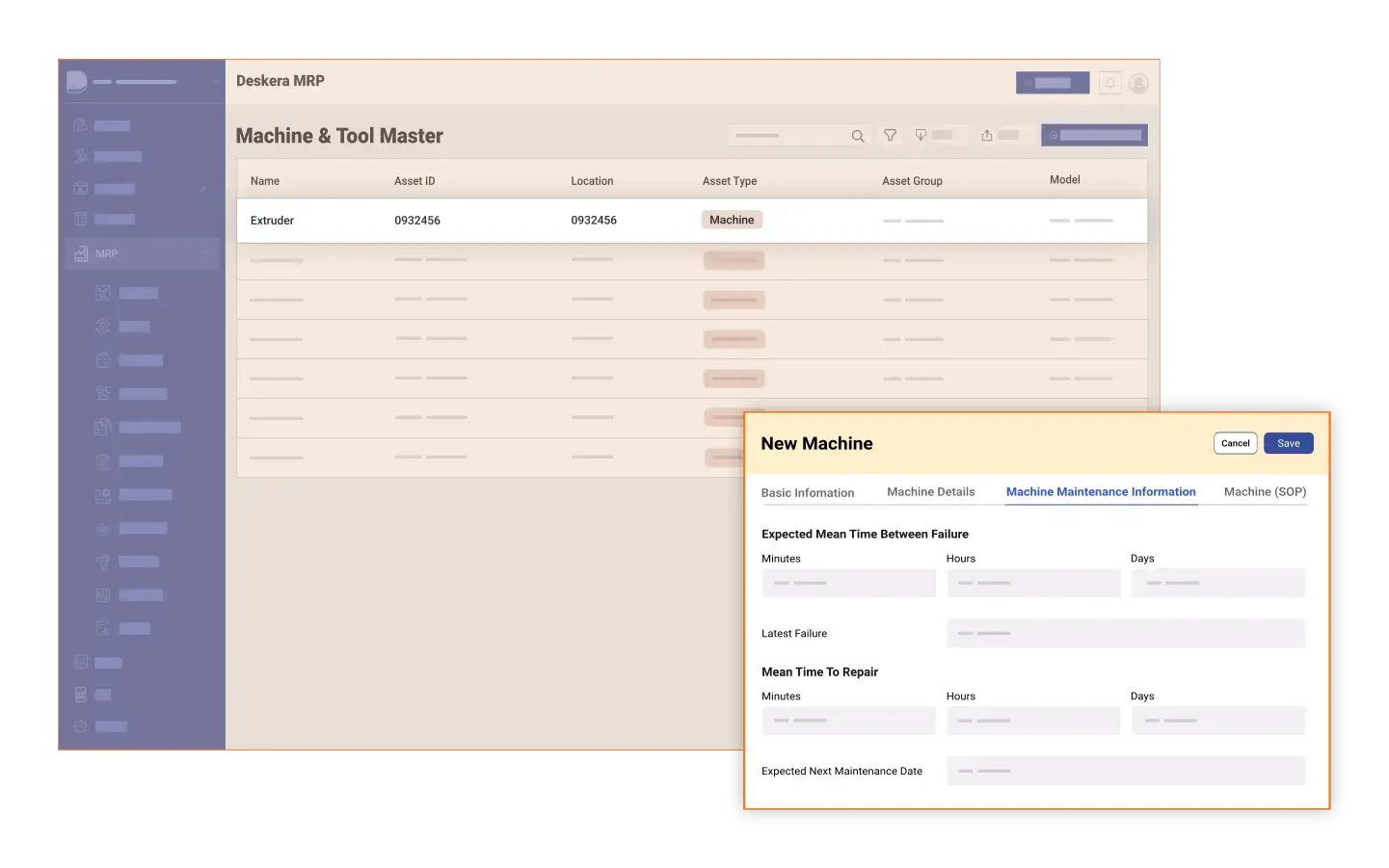
Efficient machine utilization requires real-time production visibility, accurate planning, proactive maintenance, and seamless coordination between manufacturing processes. Deskera MRP helps manufacturers improve equipment productivity by integrating production planning, inventory management, maintenance tracking, and operational analytics into a centralized platform. With better visibility into machine performance and production workflows, businesses can reduce downtime, optimize scheduling, and maximize manufacturing efficiency.
Real-Time Production Monitoring
Deskera MRP provides real-time visibility into shop floor operations, allowing manufacturers to monitor machine activity, production status, downtime, and operational performance from a centralized dashboard. Real-time insights help production managers quickly identify inefficiencies, respond to disruptions, and improve machine productivity across manufacturing processes.
Automated Production Planning and Scheduling
Efficient scheduling is critical for maximizing machine utilization. Deskera MRP helps businesses automate production planning by aligning machine availability, workforce allocation, inventory levels, and production demand. Automated scheduling reduces idle time, minimizes production bottlenecks, and ensures better utilization of manufacturing resources.
Preventive Maintenance Management
Unexpected equipment failures can significantly reduce machine utilization and disrupt production workflows. Deskera MRP supports preventive maintenance scheduling, helping manufacturers perform timely inspections, servicing, and repairs before major breakdowns occur. Proactive maintenance management improves equipment reliability, reduces unplanned downtime, and extends machinery lifespan.
Downtime Tracking and Analysis
Tracking downtime is essential for identifying operational inefficiencies and recurring machine issues. Deskera MRP helps manufacturers record and analyze downtime events, maintenance history, and production interruptions. Detailed reporting enables businesses to identify root causes of downtime and implement corrective actions that improve machine performance.
Inventory and Material Synchronization
Machine idle time often occurs because of delayed raw materials or inventory shortages. Deskera MRP integrates inventory management with production operations, ensuring materials are available when needed for manufacturing processes. Better inventory synchronization helps maintain uninterrupted production workflows and supports higher equipment utilization.
Advanced Analytics and Performance Reporting
Deskera MRP provides advanced reporting and analytics tools that help manufacturers monitor key production metrics such as machine utilization, downtime trends, throughput, and operational efficiency. Data-driven insights support continuous improvement initiatives and help businesses make informed decisions to optimize manufacturing performance.
Improved Resource Allocation
Efficient machine utilization depends on proper coordination between equipment, labor, and production schedules. Deskera MRP helps manufacturers allocate resources more effectively by providing centralized visibility into production capacity, workforce requirements, and operational workloads. Better resource planning improves workflow efficiency and reduces equipment idle time.
Support for Smart Manufacturing and Automation
Modern manufacturing environments increasingly rely on automation, IoT devices, and real-time data collection to improve operational efficiency. Deskera MRP supports digital manufacturing initiatives by integrating production data, operational monitoring, and automated workflows into a unified system. This enables manufacturers to improve machine visibility, optimize production cycles, and enhance overall equipment effectiveness.
Better Decision-Making Through Centralized Data
Manufacturers often struggle with disconnected systems and fragmented operational data. Deskera MRP centralizes production, inventory, maintenance, and operational information into a single platform, enabling faster and more accurate decision-making. Centralized visibility helps businesses identify utilization gaps, improve operational planning, and maximize manufacturing productivity.
Key Takeaways
- Machine utilization measures how effectively manufacturing equipment is used during available production time and plays a critical role in improving operational efficiency.
- High machine utilization helps manufacturers increase production output, reduce downtime, lower operational costs, and maximize equipment productivity.
- Machine utilization works by comparing actual machine running time with scheduled production time to identify inefficiencies and productivity losses.
- Different types of machine utilization, including production, capacity, labor-assisted, and automated utilization, help manufacturers evaluate equipment performance across various operational environments.
- Key components such as machine availability, performance, quality output, maintenance efficiency, and production scheduling directly influence machine utilization levels.
- Machine utilization formulas and calculations help businesses measure equipment performance, track downtime, evaluate production capacity, and improve operational decision-making.
- Machine utilization and Overall Equipment Effectiveness (OEE) are closely related metrics that together provide deeper insights into equipment productivity and manufacturing efficiency.
- Important metrics such as downtime rate, idle time, throughput, MTBF, MTTR, production efficiency, and capacity utilization help manufacturers monitor machine performance more effectively.
- Factors such as unplanned downtime, excessive changeover times, poor production planning, equipment underutilization, and material shortages can significantly reduce machine utilization.
- Improving machine utilization delivers benefits such as increased throughput, reduced production costs, better product quality, enhanced equipment lifespan, and improved customer satisfaction.
- Strategies like real-time machine monitoring, preventive maintenance, automated production planning, cycle optimization, operator training, and OEE tracking help maximize equipment utilization.
- Manufacturers often face challenges such as aging equipment, lack of real-time visibility, workforce skill gaps, supply chain disruptions, and system integration issues when improving machine utilization.
- Modern technologies including IoT, automation, predictive maintenance, and data analytics play a major role in optimizing machine utilization in smart manufacturing environments.
- Continuous monitoring and analysis of machine utilization data help manufacturers identify inefficiencies, optimize workflows, and support long-term operational improvement initiatives.
- Deskera ERP helps manufacturers optimize machine utilization through real-time production monitoring, automated scheduling, preventive maintenance management, inventory synchronization, and advanced operational analytics.
Related Articles
 Niti Samani
 Niti Samani
 Niti Samani
 Niti Samani
 Niti Samani
 Niti Samani