

What if you could measure how efficiently your production line delivers quality products—without waiting for final inspections or customer feedback? The answer lies in First Pass Yield (FPY), a critical manufacturing metric that reveals how many units are produced correctly the first time, without any rework or repairs. In an industry where even minor defects can lead to significant cost overruns and delays, FPY provides a clear, real-time snapshot of process effectiveness and product quality.
First Pass Yield is more than just a quality indicator—it’s a direct reflection of operational excellence. A high FPY means your processes are efficient, your workforce is well-trained, and your materials and machinery are performing as expected. On the other hand, a low FPY signals hidden inefficiencies, increased waste, and potential bottlenecks. For manufacturers aiming to stay competitive, tracking and improving FPY is essential for reducing costs, enhancing productivity, and consistently meeting customer expectations.
As manufacturing environments become more complex and data-driven, relying on manual tracking methods is no longer sufficient. Businesses need integrated systems that can monitor production performance in real time, identify defects early, and support continuous improvement initiatives. This is where modern ERP and MRP solutions play a vital role, enabling manufacturers to gain deeper visibility into their operations and make informed decisions quickly.
Solutions like Deskera MRP help streamline production planning, automate quality checks, and provide real-time insights into key metrics like FPY. With features such as inventory tracking, production monitoring, and analytics dashboards, Deskera empowers manufacturers to identify inefficiencies, reduce rework, and improve overall yield. By leveraging such tools, businesses can move closer to achieving “right-first-time” production and long-term operational success.
What Is First Pass Yield (FPY)?
First Pass Yield (FPY), also known as throughput yield, is a key manufacturing metric that measures the percentage of products produced correctly the first time—without requiring any rework, repair, or scrap. In simple terms, it compares the number of good units that successfully pass through a process to the total number of units that entered it during a specific period. This makes FPY a direct indicator of both product quality and process efficiency.
At its core, FPY reflects how well a manufacturing process is performing. A high FPY means that most products meet quality standards on the first attempt, indicating a stable process, reliable equipment, skilled workforce, and high-quality inputs. Conversely, a low FPY highlights inefficiencies such as defects, material issues, machine errors, or process inconsistencies that lead to rework, waste, and additional costs.
FPY is especially valuable because it focuses on “right-first-time” production—a fundamental goal in modern manufacturing. By tracking how many units avoid rework altogether, businesses can better understand where waste is occurring and how effectively their processes are eliminating inefficiencies. This makes FPY not just a quality metric, but also a powerful tool for driving continuous improvement and lean manufacturing initiatives.
Ultimately, First Pass Yield acts as a performance benchmark for manufacturing operations. It helps organizations reduce material waste, optimize labor and machine utilization, improve on-time delivery, and enhance customer satisfaction. While it should be used alongside other metrics for a complete picture, FPY remains one of the most straightforward and impactful ways to evaluate and improve production performance.
First Pass Yield vs Rolled Throughput Yield vs Throughput Yield
In manufacturing, yield metrics play a critical role in evaluating process efficiency and product quality. While First Pass Yield (FPY), Throughput Yield (TPY), and Rolled Throughput Yield (RTY) may seem similar, they each provide a different perspective on performance.
Understanding the differences between these metrics helps manufacturers gain deeper insights into where defects occur, how processes perform across multiple stages, and how overall efficiency can be improved.
By using these metrics together, manufacturers can move beyond surface-level insights and gain a comprehensive understanding of their production performance. FPY helps pinpoint first-time quality issues, TPY provides a broader view of process output, and RTY uncovers how defects accumulate across the entire production line.
How to Calculate First Pass Yield (FPY)
Calculating First Pass Yield (FPY) is straightforward, yet it offers powerful insights into the efficiency and quality of your manufacturing process. FPY measures the percentage of units that are produced correctly the first time—without any need for rework, repair, or scrap. This makes it a critical metric for identifying process effectiveness and waste reduction opportunities.
FPY Formula
FPY = (Good Units Produced / Total Units Entering the Process) × 100
- Good Units Produced: Units that pass all quality checks on the first attempt
- Total Units Entering the Process: All units that begin production, including defective or reworked ones
Step-by-Step Process to Calculate FPY
1. Select a Time Period: Start by defining the timeframe for measurement—this could be a production cycle, day, week, or month. The chosen period should reflect your operational and reporting needs.
2. Determine Total Units Entering the Process: Count all units that enter the production process during the selected timeframe, regardless of their final outcome.
3. Identify Good Units Produced: Measure how many units successfully pass through the process without requiring any rework or corrections. These are your “first-pass” or error-free units.
4. Apply the Formula: Divide the number of good units by the total units and multiply by 100 to express the result as a percentage.
Example Calculation
Let’s assume:
- Total units entering the process = 100
- Units meeting specifications = 99
- Units requiring rework = 2
Good units (first-pass) = 99 − 2 = 97
FPY = (97 / 100) × 100 = 97%
This means that 97% of the units were produced correctly on the first attempt without any rework.
Alternative Formula (Including Defects)
FPY = ((Total Units − Defective Units) / Total Units) × 100
This version highlights the impact of defects, where defective units include both scrap and items requiring rework. Even if reworked units are eventually fixed, they still reduce FPY because they were not right the first time.
Why This Calculation Matters
Regularly calculating FPY helps manufacturers:
- Detect inefficiencies early in the process
- Reduce costs associated with scrap and rework
- Improve production consistency and quality
- Make data-driven decisions for continuous improvement
To gain a more complete view of performance, FPY is often used alongside related metrics such as defect rate, rework rate, and customer return rates.
By consistently tracking and improving FPY, manufacturers can move closer to achieving efficient, high-quality, and waste-free production operations.
Key Metrics Connected to First Pass Yield (FPY)
First Pass Yield (FPY) is a powerful indicator of manufacturing quality, but it becomes even more meaningful when analyzed alongside other related metrics.
These interconnected performance indicators help manufacturers understand not just what is happening in the production process, but why it is happening.
By tracking these metrics together, businesses can identify inefficiencies, reduce waste, and drive continuous improvement more effectively.
Rework Rate
The rework rate measures the percentage of products that require additional processing or corrections before meeting quality standards. A high rework rate directly lowers FPY because it indicates that many units are not getting it right the first time.
This often points to issues such as operator errors, machine inconsistencies, or poor-quality inputs, all of which need to be addressed to improve first-pass performance.
Scrap Rate
Scrap rate refers to the proportion of products that are completely discarded due to defects or non-conformance. Unlike rework, scrap represents total material loss, making it a costly inefficiency.
A high scrap rate signals deeper problems in the manufacturing process—such as flawed design, substandard materials, or equipment issues—and negatively impacts FPY by reducing the number of acceptable units produced.
Cycle Time
Cycle time is the total time required for a unit to move through the entire production process, from raw material to finished product. Longer cycle times can indicate bottlenecks or inefficiencies that may increase the likelihood of errors and defects.
Optimizing cycle time helps improve throughput and consistency, which in turn supports higher FPY by ensuring smoother and more reliable production flows.
Setup Time
Setup time includes the time needed to prepare machines, tools, and materials before starting a production run. Excessive setup time can lead to rushed operations or errors during changeovers, increasing the chances of defects.
Reducing setup time not only improves operational efficiency but also minimizes variability, helping maintain a higher FPY.
Defect Rate
Defect rate measures the percentage of units that fail to meet quality standards during production. It is closely tied to FPY, as every defective unit reduces the number of products that pass on the first attempt.
Monitoring defect rates helps pinpoint recurring issues and provides actionable insights to improve process quality.
Test and Inspection Rate
This metric tracks how frequently products are inspected or tested during production. While higher inspection rates can help catch defects early, they may also indicate underlying quality issues in the process. Balancing inspection with process improvement ensures that defects are prevented rather than just detected, ultimately supporting better FPY.
By monitoring these metrics alongside FPY, manufacturers gain a holistic view of production performance. Instead of treating FPY as an isolated number, they can uncover root causes, optimize processes, and build a more efficient, high-quality manufacturing system.
Root Causes of Low First Pass Yield (FPY)
A low First Pass Yield (FPY) is a clear signal that something within the manufacturing process is not functioning as expected. Instead of jumping straight to solutions, it is critical to identify the underlying root causes that are driving defects, rework, and inefficiencies.
These causes can stem from process issues, equipment limitations, workforce gaps, or data-related challenges.
Process Variability and Poor Process Control
Inconsistent or poorly controlled processes are one of the primary causes of low FPY. When production parameters are not standardized or monitored effectively, variations can occur, leading to defects.
Lack of process capability, unstable workflows, or deviations from defined standards make it difficult to consistently produce quality outputs on the first attempt.
Inadequate Root Cause Analysis Practices
Many manufacturers focus on fixing defects rather than understanding why they occur. Without structured root cause analysis techniques such as the 5 Whys or fishbone diagrams, underlying issues remain unresolved. This results in recurring defects, repeated rework, and a continuous decline in FPY over time.
Poor Quality of Raw Materials
Variability in raw material quality can significantly impact final product outcomes. Substandard or inconsistent materials increase the likelihood of defects during production. Even well-optimized processes can fail to deliver high FPY if the inputs themselves do not meet required specifications.
Equipment Malfunctions and Calibration Issues
Faulty, poorly maintained, or improperly calibrated equipment can introduce defects into the production process. Machine wear and tear, tool degradation, or incorrect settings can lead to inaccuracies and inconsistencies, ultimately lowering FPY. Without regular maintenance and monitoring, these issues can persist unnoticed.
Lack of Skilled Workforce and Training
Human error remains a major contributor to low FPY. When operators are not adequately trained or lack clarity on procedures, mistakes are more likely to occur. Inconsistent execution of tasks, improper machine handling, and misunderstanding of quality standards can all result in defects and rework.
Inaccurate or Incomplete Data Collection
Reliable data is essential for tracking and improving FPY. If data collection methods are flawed—such as missing inspection points, incorrect defect classification, or delayed reporting—manufacturers may misinterpret performance. This leads to ineffective decisions and failure to address the real causes of low FPY.
Ineffective Process Monitoring and Analysis
Without continuous monitoring tools such as control charts or performance dashboards, it becomes difficult to detect trends, variations, or anomalies in production. Lack of visibility into process performance prevents early identification of issues, allowing defects to accumulate and negatively impact FPY.
Failure to Prioritize Critical Defects
Not all defects have the same impact on FPY. When manufacturers fail to identify and prioritize the most significant issues—often referred to as the “vital few”—resources may be spent on less impactful problems. This slows down improvement efforts and prevents meaningful gains in FPY.
Lack of Standardized Procedures and Documentation
Outdated or unclear work instructions can lead to inconsistent production practices. Without standardized procedures, operators may follow different methods, increasing variability and the likelihood of defects. Proper documentation and regular updates are essential to maintain consistency and improve FPY.
Weak Quality Management and Continuous Improvement Culture
A lack of focus on quality and continuous improvement can hinder FPY performance. When organizations do not actively track metrics, review performance, or encourage problem-solving, defects persist. Building a culture that prioritizes quality, accountability, and ongoing improvement is essential for sustaining high FPY.
By identifying and addressing these root causes, manufacturers can take targeted actions to improve First Pass Yield. A combination of strong process control, reliable data, skilled workforce, and continuous improvement practices is key to achieving consistent, high-quality production outcomes.
Benefits of Tracking and Improving First Pass Yield (FPY)
Tracking and improving First Pass Yield (FPY) delivers significant operational, financial, and strategic advantages. While FPY measures how many products are manufactured correctly the first time, its true value lies in the insights it provides into process performance. When used consistently, it helps manufacturers reduce waste, improve efficiency, and build a more reliable production system.
Identifies Process Inefficiencies
FPY serves as a diagnostic tool that highlights weak points in the production process. When the metric drops, it signals that defects are occurring at specific stages.
This allows managers to investigate root causes such as machine errors, poor materials, or process gaps. By addressing these inefficiencies, businesses can streamline workflows, reduce variability, and improve overall operational stability.
Reduces Rework and Scrap Costs
A low FPY often leads to higher rework and scrap, both of which consume additional labor, materials, and machine time. By improving FPY, manufacturers can significantly cut down on these unnecessary expenses.
This not only reduces direct production costs but also minimizes hidden costs such as energy usage and equipment wear, ultimately improving overall profitability.
Improves Product Quality
Higher FPY directly correlates with better product quality because more units meet specifications on the first attempt. This indicates a well-controlled and consistent production process.
Over time, improved quality reduces defects reaching customers, enhances brand reputation, and ensures compliance with industry standards, which is especially critical in highly regulated manufacturing environments.
Enhances Resource Utilization
When FPY improves, resources are used more effectively because less time and effort are spent fixing defective products. Materials are not wasted on scrap, and labor is focused on productive tasks rather than rework.
This leads to better capacity utilization and ensures that every input—whether raw materials, manpower, or machinery—contributes to value creation.
Boosts Production Efficiency and Cycle Time
Improving FPY reduces interruptions caused by defects, inspections, and rework activities. This results in smoother production flows and shorter cycle times.
As processes become more efficient, manufacturers can increase throughput without additional resources, enabling them to meet higher demand while maintaining quality and controlling operational costs.
Improves On-Time Delivery Performance
Production delays are often caused by defective units that require rework or replacement. A higher FPY minimizes such disruptions, ensuring that production schedules stay on track.
This allows manufacturers to meet delivery deadlines more consistently, improving supply chain reliability and strengthening relationships with customers and distributors.
Strengthens Customer Satisfaction
Customers expect consistent quality and timely delivery, both of which are supported by a high FPY. When products are manufactured correctly the first time, there are fewer defects, returns, and complaints. This leads to a better customer experience, increased trust, and stronger brand loyalty, all of which contribute to long-term business growth.
Supports Data-Driven Decision-Making
FPY provides clear, quantifiable insights into production performance, enabling managers to make informed decisions. By tracking FPY trends over time, businesses can evaluate the effectiveness of process improvements, identify recurring issues, and allocate resources more strategically. This data-driven approach reduces guesswork and enhances operational planning.
Drives Continuous Improvement
FPY acts as a benchmark for continuous improvement initiatives such as Lean manufacturing and Six Sigma. By setting FPY targets and monitoring progress, organizations can foster a culture of quality and accountability. Continuous tracking encourages teams to identify inefficiencies, implement corrective actions, and sustain long-term improvements in process performance.
Enhances Competitive Advantage
Manufacturers with high FPY operate more efficiently, produce higher-quality products, and incur lower costs. This enables them to offer competitive pricing while maintaining strong margins. Additionally, consistent quality and reliable delivery improve market reputation, helping businesses attract more customers and differentiate themselves in highly competitive industries.
Challenges in Tracking and Improving First Pass Yield (FPY)
While First Pass Yield (FPY) is a valuable metric for improving manufacturing performance, implementing and optimizing it is not without challenges.
From data accuracy issues to process inconsistencies, several factors can make it difficult for manufacturers to track FPY effectively and achieve sustained improvements.
Understanding these challenges is the first step toward overcoming them.
Requires Significant Time and Resources
Implementing FPY tracking and improvement initiatives can be resource-intensive, especially in complex manufacturing environments. Identifying root causes of defects, redesigning processes, and implementing corrective actions require time, skilled personnel, and financial investment.
For many organizations, balancing day-to-day production demands with improvement efforts can be difficult, slowing down progress and delaying measurable results.
Data Accuracy and Collection Issues
FPY relies heavily on accurate and consistent data collection at every stage of production. Incomplete records, incorrect defect classification, or missed inspection points can distort FPY calculations and lead to poor decision-making.
Additionally, lack of integration between systems or inconsistent supplier data can create blind spots, making it harder to identify the true causes of defects and inefficiencies.
Hidden Defects and Misleading Metrics
One common challenge is the tendency to overlook or exclude certain types of defects or rework when calculating FPY. This can artificially inflate the metric and create a false sense of process efficiency.
If defects are not properly recorded or if rework is done without tracking, manufacturers may fail to address underlying quality issues, ultimately impacting long-term performance.
Need for Skilled Workforce and Training
Achieving and maintaining a high FPY requires a well-trained workforce that understands both the production process and quality standards. Without proper training, employees may misuse tools, follow incorrect procedures, or fail to identify defects early. This leads to higher error rates, increased rework, and lower FPY, making continuous training and skill development essential.
Equipment Reliability and Maintenance Challenges
Machine breakdowns, improper calibration, and aging equipment can significantly affect product quality and consistency. When equipment does not perform optimally, defects increase and FPY declines.
While preventive maintenance can help, managing equipment reliability across multiple production lines remains a persistent challenge for many manufacturers.
Inconsistent Processes and Lack of Standardization
Variations in processes—whether due to human error, lack of standard operating procedures, or poor process control—can lead to inconsistent output quality. Without standardized workflows and clear guidelines, maintaining uniform production becomes difficult, increasing the likelihood of defects and reducing FPY.
Raw Material Quality Variations
Inconsistent quality of raw materials is another major challenge. Variations in material properties can lead to unpredictable production outcomes, making it harder to maintain high FPY levels. Even with strong supplier relationships, fluctuations in material quality can introduce defects that are difficult to control within the manufacturing process.
Continuous Monitoring and Adjustment Requirements
FPY is not a one-time measurement—it requires ongoing monitoring, analysis, and adjustments. Manufacturers must continuously track performance, identify trends, and implement improvements. This demands robust systems, consistent effort, and a proactive approach, which can be challenging to sustain over time without the right tools and processes in place.
Over-Reliance on FPY Alone
Focusing solely on FPY without considering other related metrics—such as Rolled Throughput Yield (RTY), defect rate, or cycle time—can lead to incomplete or misleading insights. A process may show a high FPY individually but still contribute to poor overall performance when viewed across the entire production line. A holistic approach is essential for accurate evaluation.
By recognizing and addressing these challenges, manufacturers can build a more accurate and effective FPY tracking system. With the right combination of technology, training, and process improvements, businesses can overcome these obstacles and unlock the full potential of First Pass Yield.
Best Practices to Improve First Pass Yield (FPY)
Improving First Pass Yield (FPY) requires a structured and consistent approach that focuses on process optimization, workforce capability, equipment reliability, and data-driven decision-making.
By implementing the right best practices, manufacturers can reduce defects, minimize rework, and achieve higher efficiency while maintaining consistent product quality.
Standardize and Optimize Processes
Establishing clear and standardized processes is essential for improving FPY. When workflows are well-defined through standard operating procedures (SOPs), variability is reduced and consistency improves.
Regularly reviewing and optimizing these processes helps identify bottlenecks, eliminate unnecessary steps, and ensure that production runs smoothly with minimal chances of defects.
Collect and Use Real-Time Quality Data
Accurate and timely data is critical for improving FPY. Relying on manual data collection can lead to delays and errors, whereas real-time data enables faster decision-making.
By continuously monitoring production and quality metrics, manufacturers can quickly detect deviations, identify root causes, and implement corrective actions before defects escalate.
Focus on Root Cause Analysis and Defect Prevention
Instead of repeatedly fixing defects, manufacturers should focus on identifying and eliminating their root causes. Techniques such as the 5 Whys, fishbone diagrams, and statistical process control help uncover underlying issues.
Addressing these root causes prevents recurrence, leading to long-term improvements in FPY and overall process reliability.
Strengthen Employee Training and Engagement
A well-trained workforce plays a critical role in achieving high FPY. Operators should clearly understand quality standards, processes, and their responsibilities.
Continuous training, clear instructions, and real-time performance visibility empower employees to make better decisions, reduce errors, and take ownership of product quality on the shop floor.
Maintain and Monitor Equipment Effectively
Equipment performance has a direct impact on product quality. Regular maintenance, calibration, and monitoring help ensure machines operate at optimal conditions.
Identifying issues such as tool wear or performance deviations early prevents defects and reduces downtime, ultimately supporting consistent production and higher FPY.
Ensure High-Quality Raw Materials and Suppliers
The quality of input materials significantly influences FPY. Using inconsistent or poor-quality materials increases the likelihood of defects.
Establishing strong supplier relationships, setting clear quality expectations, and conducting regular inspections help ensure that materials meet required standards, reducing variability and improving first-pass success rates.
Implement Continuous Monitoring and Process Control
Improving FPY is not a one-time effort—it requires ongoing monitoring and adjustments. By continuously tracking key metrics such as defect rates, rework rates, and cycle times, manufacturers can identify trends and take proactive action.
Strong process control ensures that production stays within defined limits and maintains consistent quality.
Leverage Automation and Digital Tools
Automation and digital systems can significantly enhance FPY by reducing manual errors and improving accuracy. Automated data collection, real-time dashboards, and process alerts provide better visibility into operations.
These tools enable faster responses to quality issues and support more efficient and controlled production environments.
Adopt Lean and Continuous Improvement Practices
Applying Lean principles helps eliminate waste and improve process efficiency, both of which are critical for enhancing FPY. Practices such as 5S, Kaizen, and continuous improvement initiatives encourage teams to identify inefficiencies and implement incremental changes. Over time, these efforts lead to more stable processes and higher first-pass success rates.
Promote Cross-Functional Collaboration
Improving FPY requires coordination across multiple departments, including production, quality, maintenance, and supply chain. Encouraging collaboration ensures that issues are addressed holistically rather than in isolation. When teams work together and share insights, it becomes easier to identify improvement opportunities and sustain long-term gains in FPY.
By following these best practices, manufacturers can create a strong foundation for improving First Pass Yield. A combination of standardized processes, skilled workforce, reliable equipment, and data-driven insights enables organizations to achieve consistent quality, reduce waste, and build more efficient production systems.
How Can Deskera MRP Help Improve First Pass Yield (FPY)?
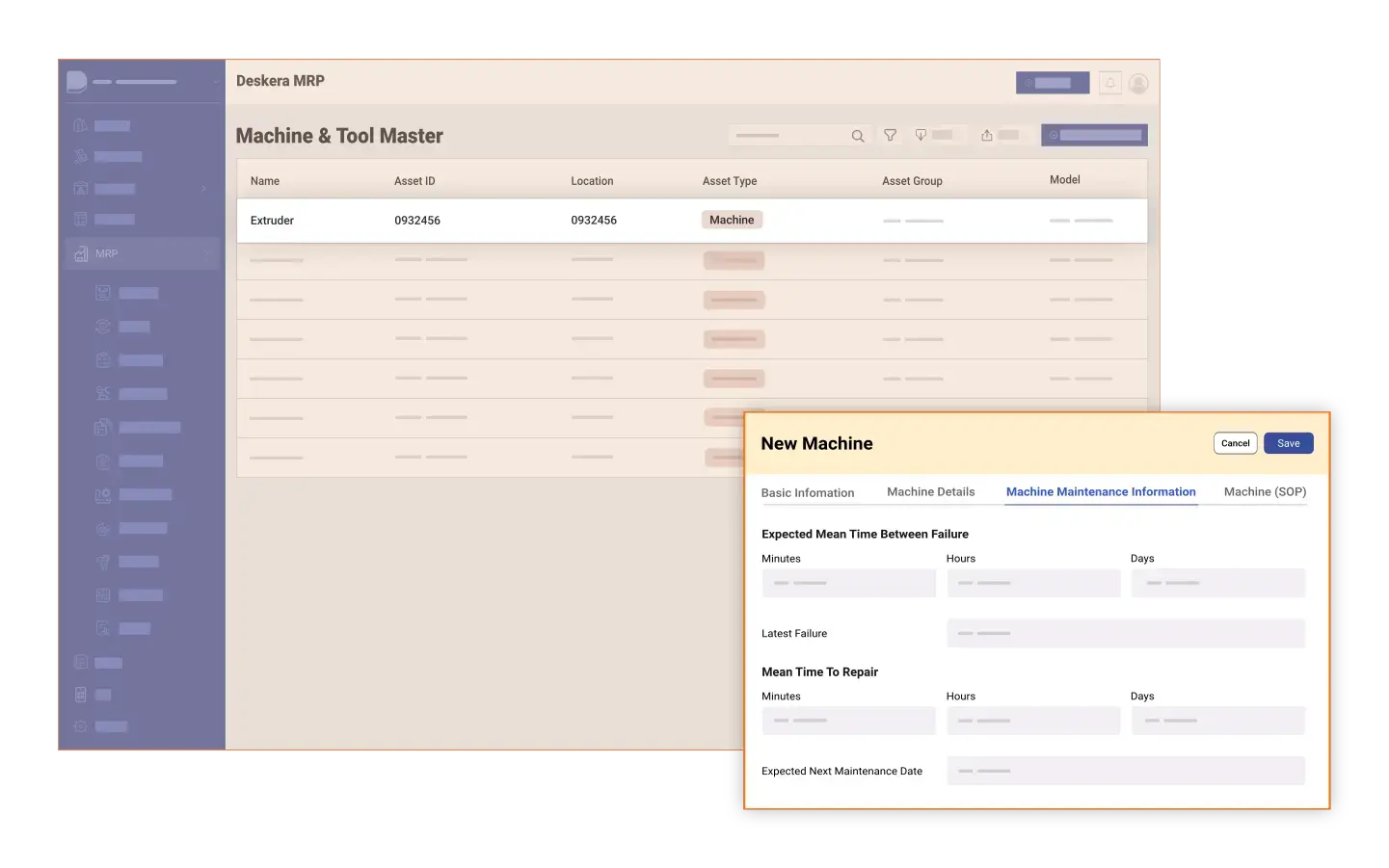
Improving First Pass Yield (FPY) requires a combination of process control, data visibility, quality management, and efficient resource planning. This is where Deskera MRP plays a practical role by connecting production, quality, and inventory processes into a single system. Here’s how it supports FPY improvement:
Streamlined Quality Control Across Production
Deskera MRP enables manufacturers to define quality parameters, checklists, and pass criteria at multiple stages of production. This ensures that defects are identified early rather than after completion. By enforcing structured quality checks at the task and work order level, businesses can reduce rework and ensure more units pass inspection the first time.
Real-Time Production Visibility and Monitoring
With features like work-in-progress (WIP) tracking and production reports, Deskera MRP provides real-time insights into what’s happening on the shop floor. This visibility helps teams quickly identify bottlenecks, inefficiencies, or quality issues that negatively impact FPY and take corrective action before defects escalate.
Accurate Yield Tracking and Analysis
Deskera MRP includes yield calculation and reporting capabilities, allowing manufacturers to track how many units meet quality standards versus total production. By consistently monitoring yield data, businesses can identify trends, measure improvements, and make data-driven decisions to enhance FPY over time.
Better Production Planning and Resource Optimization
Effective FPY depends heavily on proper planning. Deskera MRP supports production scheduling, material requirement planning (MRP), and demand forecasting, ensuring that the right materials, machines, and labor are available at the right time. This reduces production disruptions, material shortages, and rushed processes that often lead to defects.
Improved Machine Performance and Maintenance
Machine-related issues are a common cause of low FPY. Deskera MRP helps by enabling machine monitoring and maintenance scheduling, allowing manufacturers to proactively manage equipment performance. Well-maintained machines produce more consistent outputs, reducing variability and improving first-pass quality.
Scrap and Rework Management
The system allows businesses to track scrap, by-products, and rework, giving clear visibility into waste sources. By understanding where defects occur and how often rework happens, manufacturers can focus on eliminating root causes and improving FPY systematically.
Standardized Workflows and Process Consistency
Deskera MRP supports work order management and task-level checklists, ensuring that production processes follow standardized procedures. This consistency minimizes human errors and process variations—two major contributors to low FPY.
Deskera MRP doesn’t improve FPY through a single feature—it does so by bringing together quality control, real-time data, production planning, and performance tracking into one integrated system. This holistic visibility and control help manufacturers reduce defects, minimize rework, and consistently achieve higher first pass yield.
Key Takeaways
- First Pass Yield (FPY) helps manufacturers evaluate production efficiency and quality early in the process, enabling faster decision-making and continuous improvement.
- FPY measures the percentage of products manufactured correctly on the first attempt without rework, making it a direct indicator of process effectiveness and quality consistency.
- FPY is calculated by dividing good units by total units produced, providing a simple yet powerful way to quantify first-time production success.
- FPY focuses on first-time quality at a process level, while RTY evaluates end-to-end performance and TPY measures output efficiency including rework.
- FPY is closely linked to metrics like rework rate, scrap rate, and cycle time, which together provide a complete view of production performance and inefficiencies.
- Improving FPY reduces waste, lowers costs, enhances product quality, and boosts customer satisfaction while strengthening overall operational efficiency.
- Common challenges include data inaccuracies, process variability, lack of training, and resource constraints, all of which can hinder effective FPY improvement.
- Low FPY is typically driven by factors such as poor process control, substandard materials, equipment issues, and inadequate workforce training.
- Standardizing processes, leveraging real-time data, improving training, and focusing on root cause analysis are essential for achieving higher FPY.
- Deskera MRP improves FPY by enabling real-time visibility, structured quality control, efficient production planning, and data-driven decision-making.
Related Articles
 Niti Samani
 Niti Samani
 Niti Samani
 Niti Samani
 Niti Samani
 Niti Samani