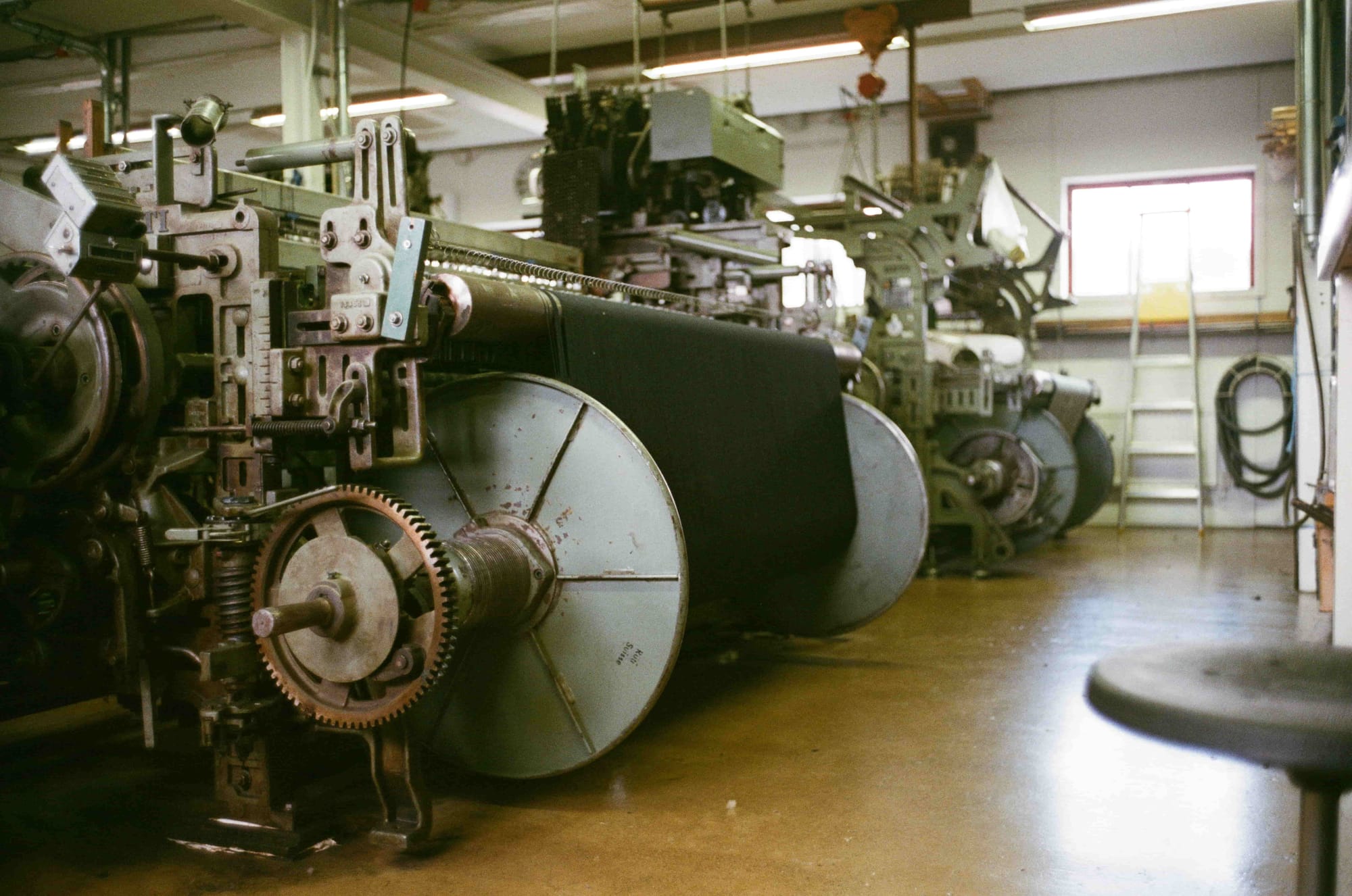

What happens when a critical machine suddenly breaks down in the middle of production? The answer is often costly downtime, delayed deliveries, rising repair expenses, and lost revenue. This is why maintenance budget planning has become a strategic priority for manufacturing companies. Instead of reacting to unexpected failures, businesses are now focusing on structured maintenance budgeting to improve equipment reliability, optimize operational costs, and ensure uninterrupted production.
Maintenance budget planning involves estimating, allocating, and managing the costs associated with maintaining manufacturing equipment and facilities. It includes expenses related to preventive maintenance, spare parts inventory, labor, emergency repairs, software tools, and equipment upgrades. A well-planned maintenance budget not only helps manufacturers control expenses but also supports better asset utilization, improved production efficiency, and longer equipment lifespan. In an industry where even a few hours of downtime can lead to significant financial losses, effective maintenance planning plays a crucial role in maintaining profitability and operational stability.
However, creating an accurate maintenance budget can be challenging for manufacturers dealing with aging equipment, fluctuating spare parts costs, labor shortages, and unpredictable machine failures. Traditional spreadsheet-based planning often lacks the real-time visibility and data accuracy needed for informed decision-making. This is why many manufacturing companies are shifting toward preventive and predictive maintenance strategies supported by digital technologies such as MRP solutions. These systems help organizations track maintenance costs, monitor asset performance, automate maintenance schedules, and improve forecasting accuracy.
This is where Deskera MRP can help manufacturing businesses streamline maintenance budget planning and improve operational efficiency. Deskera MRP provides features such as preventive maintenance scheduling, inventory and spare parts tracking, work order management, real-time reporting, and production planning in a single platform. With better visibility into maintenance operations and costs, manufacturers can reduce unplanned downtime, optimize resource allocation, and make smarter budgeting decisions while improving overall equipment performance.
What Is Maintenance Budget Planning?
Maintenance budget planning is the process of forecasting, allocating, and managing financial resources required for maintaining equipment, facilities, and production assets.
It involves estimating the costs associated with preventive maintenance, repairs, spare parts, labor, inspections, and emergency maintenance activities to ensure that manufacturing operations run smoothly and efficiently. A well-structured maintenance budget helps organizations prepare for both routine upkeep and unexpected equipment failures while maintaining financial control.
In manufacturing companies, maintenance budget planning plays a critical role in ensuring equipment reliability, minimizing downtime, and extending asset lifespan. Without a clear maintenance budget, businesses often struggle with unplanned repair expenses, production delays, rising operational costs, and inefficient resource allocation.
By proactively planning maintenance expenses, organizations can reduce costly breakdowns and avoid disruptions that negatively impact productivity and profitability.
Effective maintenance budget planning goes beyond simply estimating expenses. It involves analyzing historical maintenance data, evaluating equipment condition, forecasting future maintenance requirements, and continuously monitoring actual spending against the planned budget.
Manufacturers must also consider factors such as equipment age, asset criticality, spare parts availability, labor costs, and production schedules when developing a maintenance budget. This helps businesses allocate resources more efficiently and make informed maintenance decisions.
Modern manufacturing companies are increasingly shifting from reactive maintenance approaches to preventive and predictive maintenance strategies. Instead of waiting for equipment to fail, organizations now focus on scheduled servicing and condition-based monitoring to prevent breakdowns before they occur.
MRP software plays an important role in this process by helping manufacturers track maintenance schedules, manage spare parts inventory, monitor maintenance costs, and improve budgeting accuracy through real-time operational data.
A well-planned maintenance budget is not just a financial document—it is a strategic tool that supports long-term operational stability and business growth. It enables manufacturers to maintain asset performance, improve workplace safety, reduce emergency repair costs, and achieve better control over maintenance operations.
With the right maintenance budget planning strategy, manufacturing companies can balance cost efficiency with equipment reliability while ensuring uninterrupted production processes.
Maintenance Budgeting vs. Overall Operational Budgeting
Although maintenance budgeting and overall operational budgeting are closely related, they serve different purposes within a manufacturing organization.
Maintenance budgeting focuses specifically on the costs associated with maintaining equipment, machinery, and production assets, while operational budgeting covers the broader financial requirements needed to run the entire business.
Understanding the differences between the two helps manufacturers allocate resources more effectively, improve cost control, and ensure both operational efficiency and asset reliability.
The table below highlights the key differences between maintenance budgeting and overall operational budgeting:
Types of Maintenance Costs Included in a Maintenance Budget
A maintenance budget includes various costs associated with keeping manufacturing equipment, machinery, and facilities in optimal working condition.
Understanding these cost categories helps manufacturers create accurate budgets, avoid unexpected expenses, and ensure smooth production operations.
A well-planned maintenance budget not only supports equipment reliability but also improves cost control and long-term asset performance.
Preventive Maintenance Costs
Preventive maintenance costs include expenses related to routine inspections, servicing, lubrication, calibration, cleaning, and scheduled component replacements. These activities are performed regularly to reduce the risk of unexpected equipment failures and extend asset lifespan.
Although preventive maintenance requires upfront investment, it helps manufacturers minimize emergency repair costs, improve production efficiency, and reduce costly downtime over time.
Corrective Maintenance Costs
Corrective maintenance costs arise when equipment develops faults or performance issues that require repair or replacement. These expenses may include replacement parts, repair labor, troubleshooting, and machine restoration activities.
Corrective maintenance is usually planned after identifying a problem but before a complete equipment breakdown occurs. Proper budgeting for corrective maintenance helps manufacturers address equipment issues quickly while avoiding major disruptions to production operations.
Emergency Repair Costs
Emergency repair costs are associated with unexpected equipment breakdowns that require immediate attention to restore operations.
These expenses are often higher than planned maintenance costs because they may involve urgent labor, expedited spare parts procurement, overtime wages, and production losses.
Manufacturing companies typically allocate contingency funds within the maintenance budget to handle such emergencies without severely affecting overall financial stability.
Spare Parts and Inventory Costs
Spare parts and inventory costs cover the purchase, storage, and management of components required for equipment maintenance and repairs. These may include motors, bearings, filters, belts, lubricants, sensors, and other critical machine parts.
Maintaining the right inventory levels is essential for preventing production delays while avoiding excessive inventory carrying costs. Effective maintenance budgeting ensures that critical spare parts are readily available when needed.
Maintenance Labor Costs
Maintenance labor costs include wages, overtime payments, contractor fees, training expenses, and employee benefits for maintenance personnel. Skilled technicians play a crucial role in equipment inspections, repairs, diagnostics, and preventive maintenance activities.
Labor expenses can vary depending on equipment complexity, maintenance frequency, and workforce availability. Proper planning of labor costs helps manufacturers optimize workforce utilization and control maintenance spending.
Predictive Maintenance Technology Costs
Predictive maintenance technology costs involve investments in monitoring tools, sensors, automation systems, and data analysis technologies used to detect potential equipment failures before they occur.
These systems help manufacturers monitor machine performance in real time and schedule maintenance activities based on actual equipment conditions.
Although predictive maintenance technologies require initial investment, they can significantly reduce unplanned downtime and long-term maintenance expenses.
Equipment Replacement and Upgrade Costs
Over time, aging equipment may become inefficient, unreliable, or too costly to maintain. Equipment replacement and upgrade costs include expenses related to replacing outdated machinery, upgrading components, or modernizing production systems.
Including these costs in a maintenance budget helps manufacturers plan for long-term asset management and avoid sudden capital expenditures that can disrupt financial planning.
Facility Maintenance Costs
Facility maintenance costs cover expenses related to maintaining the physical infrastructure of the manufacturing plant, including electrical systems, HVAC systems, plumbing, lighting, roofing, and building repairs.
Proper facility maintenance ensures a safe and efficient working environment while supporting uninterrupted production activities. Neglecting facility maintenance can lead to safety risks, regulatory issues, and operational inefficiencies that increase overall business costs.
Why Maintenance Budget Planning is Important for Manufacturing Companies
Maintenance budget planning is essential for manufacturing companies because it helps ensure the smooth operation of production equipment while maintaining control over maintenance-related expenses.
In manufacturing environments, equipment failures, unplanned downtime, and rising repair costs can significantly impact productivity, profitability, and customer satisfaction.
A well-structured maintenance budget enables businesses to proactively manage maintenance activities, allocate resources effectively, and reduce operational disruptions.
Reduces Unexpected Equipment Failures
Proper maintenance budget planning allows manufacturers to invest in routine inspections, preventive maintenance, and timely repairs before equipment problems escalate into major breakdowns.
By proactively maintaining machinery, businesses can reduce the frequency of unexpected failures that interrupt production schedules and increase emergency repair costs. This improves operational stability and helps maintain consistent manufacturing output.
Minimizes Production Downtime
Unplanned downtime is one of the most expensive challenges for manufacturing companies. Machine breakdowns can halt production lines, delay deliveries, and lead to revenue losses.
Maintenance budget planning ensures that sufficient resources are allocated for preventive maintenance, spare parts, and maintenance personnel, helping organizations minimize disruptions and keep production processes running efficiently.
Improves Equipment Lifespan and Reliability
Manufacturing equipment represents a major capital investment, making asset longevity a critical business priority. A well-planned maintenance budget supports regular servicing, component replacements, and equipment monitoring activities that improve machine reliability and extend operational lifespan. This helps manufacturers maximize the value of their assets while delaying costly equipment replacements.
Enhances Cost Control and Financial Planning
Maintenance expenses can quickly become unpredictable without a structured budgeting process. Maintenance budget planning helps organizations estimate future maintenance costs, allocate funds appropriately, and avoid sudden financial strain caused by emergency repairs or equipment failures. Better financial visibility allows manufacturers to make informed decisions and maintain stronger control over operational spending.
Supports Preventive and Predictive Maintenance Strategies
Manufacturing companies are increasingly shifting from reactive maintenance approaches to preventive and predictive maintenance models. Maintenance budget planning provides the financial framework needed to support scheduled maintenance activities, condition monitoring systems, and predictive technologies. These strategies help reduce downtime, optimize maintenance schedules, and improve overall production efficiency.
Improves Workplace Safety and Compliance
Poorly maintained equipment can create safety hazards for employees and increase the risk of workplace accidents. Maintenance budget planning ensures that adequate resources are available for inspections, repairs, and compliance-related maintenance activities. This helps manufacturers maintain safer working conditions while meeting industry regulations and operational standards.
Optimizes Resource Allocation
Maintenance budgeting helps manufacturing companies allocate labor, spare parts, tools, and financial resources more efficiently. By understanding maintenance priorities and equipment criticality, organizations can focus resources on high-risk assets and avoid unnecessary maintenance spending. This leads to better workforce productivity and improved maintenance efficiency across operations.
Increases Operational Efficiency and Productivity
Well-maintained equipment operates more efficiently, consumes less energy, and delivers more consistent production performance. Maintenance budget planning enables manufacturers to maintain optimal equipment conditions, reduce process interruptions, and improve overall operational productivity. Higher equipment efficiency ultimately contributes to improved profitability and customer satisfaction.
Helps Avoid Emergency Repair Costs
Emergency repairs are often more expensive than planned maintenance because they involve urgent labor, expedited spare parts procurement, and unexpected production losses.
Maintenance budget planning allows businesses to anticipate maintenance needs and reduce reliance on costly emergency repairs. This helps stabilize maintenance expenses and improve long-term financial performance.
Enables Better Long-Term Asset Management
Maintenance budget planning supports strategic asset management by helping manufacturers evaluate equipment condition, forecast future maintenance needs, and plan for upgrades or replacements.
This long-term approach helps organizations avoid reactive decision-making and ensures that assets continue to support production goals effectively over time.
Key Components of an Effective Maintenance Budget Plan
An effective maintenance budget plan is built on several critical components that help manufacturing companies manage maintenance activities efficiently while controlling costs.
A well-structured budget not only covers routine maintenance expenses but also prepares organizations for unexpected repairs, equipment upgrades, and long-term asset management needs.
By focusing on the right components, manufacturers can improve equipment reliability, reduce downtime, and optimize maintenance spending.
Asset Inventory and Equipment Assessment
The foundation of an effective maintenance budget plan begins with a detailed inventory of all production assets, machinery, and facility equipment.
Manufacturers must identify critical assets, evaluate equipment condition, and review maintenance history to understand current and future maintenance requirements.
Assessing asset performance helps businesses prioritize maintenance spending on equipment that has the greatest impact on production operations and operational continuity.
Maintenance Strategy Selection
Choosing the right maintenance strategy is essential for accurate budget planning. Manufacturing companies may use reactive, preventive, predictive, or reliability-centered maintenance approaches depending on equipment criticality and operational goals.
Preventive and predictive maintenance strategies often require higher upfront investments but can significantly reduce long-term repair costs and downtime. Selecting the appropriate maintenance strategy helps businesses allocate resources more effectively.
Historical Maintenance Data Analysis
Analyzing past maintenance records provides valuable insights into recurring equipment issues, repair frequencies, downtime trends, and maintenance costs. Historical data helps manufacturers forecast future maintenance expenses more accurately and identify opportunities for process improvements.
Reviewing previous maintenance performance also supports better decision-making when estimating labor, spare parts, and equipment replacement costs within the maintenance budget.
Labor and Workforce Planning
Maintenance labor costs are a major component of any maintenance budget plan. Manufacturers must account for technician salaries, overtime wages, contractor fees, training expenses, and workforce availability.
Proper workforce planning ensures that skilled maintenance personnel are available to perform inspections, repairs, and preventive maintenance tasks efficiently. Investing in workforce training can also improve maintenance productivity and reduce costly errors.
Spare Parts and Inventory Management
Spare parts inventory management plays a critical role in maintenance budgeting. Manufacturers must maintain sufficient stock of critical components to avoid production delays caused by equipment failures while also preventing excess inventory carrying costs.
Maintenance budgets should include costs related to purchasing, storing, and managing spare parts such as bearings, belts, filters, lubricants, and electrical components needed for maintenance activities.
Preventive and Predictive Maintenance Costs
An effective maintenance budget plan should include dedicated funding for preventive and predictive maintenance programs.
Preventive maintenance costs may include routine servicing, inspections, lubrication, and scheduled component replacements, while predictive maintenance may involve condition monitoring tools and performance tracking technologies.
Investing in proactive maintenance activities helps reduce emergency repairs and improves equipment reliability.
Emergency Repair and Contingency Funds
Even with strong preventive maintenance programs, unexpected equipment failures can still occur. Including contingency funds within the maintenance budget helps manufacturers handle emergency repair expenses without disrupting overall financial planning.
Emergency repair budgets may cover urgent labor costs, expedited spare parts procurement, temporary equipment rentals, and production recovery expenses during unexpected breakdown situations.
Equipment Replacement and Capital Planning
As equipment ages, maintenance costs often increase while reliability decreases. An effective maintenance budget plan should account for future equipment upgrades, modernization projects, and asset replacement needs.
Long-term capital planning helps manufacturers prepare financially for replacing outdated machinery before failures severely impact production efficiency and operational performance.
Facility Maintenance Costs
In addition to production equipment, manufacturers must also budget for facility maintenance activities.
These expenses may include maintaining HVAC systems, electrical infrastructure, lighting, plumbing, roofing, safety systems, and other building-related assets.
Proper facility maintenance supports a safe working environment and helps prevent operational disruptions caused by infrastructure failures.
Technology and Maintenance Software Investments
Modern manufacturing operations increasingly rely on digital tools to improve maintenance management and budgeting accuracy.
MRP software helps manufacturers track maintenance schedules, monitor equipment performance, manage spare parts inventory, and analyze maintenance costs in real time.
Including technology investments in the maintenance budget helps businesses improve maintenance efficiency, forecasting accuracy, and overall operational visibility.
Performance Monitoring and KPI Tracking
Tracking maintenance performance metrics is essential for evaluating the effectiveness of the maintenance budget plan.
Manufacturers should monitor KPIs such as equipment downtime, maintenance cost per asset, Mean Time Between Failures (MTBF), Mean Time to Repair (MTTR), and planned versus unplanned maintenance ratios.
Continuous performance monitoring helps organizations identify inefficiencies, optimize maintenance spending, and improve long-term asset performance.
Steps to Create a Maintenance Budget Plan for Manufacturing Companies
Creating a maintenance budget plan requires a structured approach that aligns maintenance activities with production goals, asset reliability, and financial objectives.
In manufacturing companies, maintenance budgeting is not just about estimating repair costs—it involves planning for preventive maintenance, workforce allocation, spare parts management, and long-term equipment performance.
A well-designed maintenance budget helps manufacturers reduce downtime, improve cost control, and ensure uninterrupted production operations.
Analyze Historical Maintenance Data
The first step in creating a maintenance budget plan is reviewing historical maintenance records and expenses. Manufacturers should analyze past repair costs, equipment breakdown frequency, maintenance labor expenses, spare parts consumption, and downtime trends.
This data helps identify recurring issues, high-cost assets, and areas where maintenance efficiency can be improved. Historical analysis also provides a realistic foundation for forecasting future maintenance expenses more accurately.
Create a Detailed Asset Inventory
Manufacturers should develop a complete inventory of all equipment, machinery, and facility assets involved in production operations. Each asset should include details such as age, maintenance history, operating condition, expected lifespan, and criticality to production.
Having a clear understanding of available assets helps organizations prioritize maintenance activities and allocate budgets more effectively toward high-priority equipment.
Assess Equipment Criticality and Risk
Not all equipment has the same impact on production operations. Some machines are critical to maintaining production flow, while others may have minimal operational impact during downtime.
Manufacturers should assess equipment criticality based on factors such as production dependency, repair costs, safety risks, and downtime impact. Prioritizing critical assets allows businesses to allocate maintenance resources strategically and reduce operational disruptions.
Choose the Right Maintenance Strategy
Selecting the appropriate maintenance strategy is essential for effective budget planning. Manufacturers may use reactive, preventive, predictive, or reliability-centered maintenance approaches depending on operational requirements and asset conditions.
Preventive and predictive maintenance strategies generally require more planned investment but help reduce unexpected breakdowns and emergency repair expenses over time. The chosen strategy directly influences maintenance costs and resource allocation.
Estimate Maintenance Costs
Once maintenance requirements are identified, manufacturers can begin estimating maintenance-related expenses. These costs may include routine servicing, inspections, labor, spare parts inventory, contractor fees, predictive maintenance technologies, facility maintenance, and emergency repairs.
Accurate cost estimation helps organizations avoid budget shortfalls while ensuring that sufficient resources are available to maintain production assets effectively.
Plan Spare Parts and Inventory Requirements
Spare parts management is a critical part of maintenance budgeting. Manufacturers should identify essential spare parts required for critical equipment and estimate inventory costs based on equipment usage and maintenance schedules.
Proper inventory planning helps prevent production delays caused by unavailable parts while also reducing excess inventory carrying costs. Efficient spare parts budgeting supports both operational continuity and cost optimization.
Allocate Labor and Workforce Resources
Maintenance budgets should account for workforce-related expenses such as technician salaries, overtime wages, contractor services, and employee training costs.
Manufacturers must ensure that skilled maintenance personnel are available to handle preventive maintenance tasks, repairs, inspections, and emergency breakdowns.
Workforce planning also helps businesses balance labor availability with production schedules to minimize operational disruptions.
Include Contingency Funds for Emergencies
Unexpected equipment failures and emergency repairs are common challenges in manufacturing environments. Including contingency funds within the maintenance budget helps organizations handle urgent repair costs, expedited spare parts procurement, and production recovery efforts without disrupting overall financial planning. A contingency reserve provides greater financial flexibility and reduces the impact of unforeseen maintenance expenses.
Set Maintenance Goals and KPIs
Establishing clear maintenance goals and performance indicators helps manufacturers measure the effectiveness of their maintenance budget plan.
Common maintenance KPIs include equipment downtime, maintenance cost per asset, Mean Time Between Failures (MTBF), Mean Time to Repair (MTTR), and planned versus unplanned maintenance ratios.
Setting measurable targets allows businesses to track maintenance performance and continuously improve maintenance efficiency.
Implement Maintenance Tracking and Monitoring Systems
Manufacturers should use digital tools and MRP software to monitor maintenance activities, maintenance costs, equipment performance, and spare parts usage in real time.
Maintenance tracking systems improve visibility across operations, automate maintenance scheduling, and support better forecasting accuracy.
Real-time monitoring also helps businesses identify cost overruns, optimize maintenance processes, and make data-driven budgeting decisions.
Review and Adjust the Budget Regularly
Maintenance budgeting should be treated as an ongoing process rather than a one-time activity.
Manufacturers should regularly review maintenance performance, compare actual spending against budget estimates, and adjust plans based on operational changes, equipment conditions, and production demands.
Continuous budget evaluation helps businesses maintain financial control while adapting to evolving maintenance requirements and operational priorities.
Common Challenges in Maintenance Budget Planning
Maintenance budget planning is essential for controlling maintenance expenses and ensuring equipment reliability, but many manufacturing companies face difficulties when creating and managing accurate maintenance budgets.
Factors such as unpredictable equipment failures, rising operational costs, and limited maintenance visibility can make budgeting more complex.
Understanding these challenges helps manufacturers develop better strategies for improving budget accuracy, reducing downtime, and optimizing maintenance operations.
Unpredictable Equipment Failures
One of the biggest challenges in maintenance budget planning is the uncertainty associated with equipment breakdowns. Even with preventive maintenance programs in place, unexpected failures can occur due to aging machinery, operator errors, or harsh operating conditions.
These sudden breakdowns often result in emergency repair costs, production delays, and unplanned maintenance expenses that can disrupt the original budget.
Inaccurate Maintenance Data
Many manufacturers struggle with incomplete or outdated maintenance records, making it difficult to forecast future maintenance costs accurately.
Poor data collection can lead to incorrect assumptions about equipment performance, spare parts consumption, labor requirements, and repair frequency.
Without reliable maintenance data, organizations may either underestimate maintenance expenses or allocate excessive funds unnecessarily.
Rising Spare Parts and Labor Costs
Fluctuating prices for spare parts, raw materials, and skilled labor can significantly impact maintenance budgets. Inflation, supply chain disruptions, and shortages of specialized components often increase maintenance costs unexpectedly.
Additionally, the growing demand for experienced maintenance technicians can raise labor expenses, making it challenging for manufacturers to maintain budget stability over time.
Difficulty Forecasting Long-Term Maintenance Needs
Manufacturing equipment performance can vary depending on usage patterns, operating conditions, and production volumes. Predicting long-term maintenance requirements becomes difficult when asset conditions change unexpectedly or when equipment lacks consistent maintenance history. Inaccurate forecasting may result in insufficient budget allocation, increased downtime risks, or delayed maintenance activities.
Reactive Maintenance Culture
Some manufacturing companies still rely heavily on reactive maintenance, where repairs are only performed after equipment fails. This approach often leads to higher repair costs, emergency maintenance expenses, and frequent production disruptions.
Reactive maintenance also makes budgeting more unpredictable because organizations cannot accurately anticipate when failures will occur or how much repairs will cost.
Limited Visibility Across Maintenance Operations
Lack of real-time visibility into maintenance activities, equipment condition, and maintenance spending can create major budgeting challenges. Without centralized maintenance tracking, manufacturers may struggle to monitor ongoing maintenance costs, identify inefficiencies, or prioritize critical maintenance tasks effectively. Limited operational visibility can also lead to duplicated expenses and inefficient resource allocation.
Balancing Cost Reduction with Equipment Reliability
Manufacturers often face pressure to reduce maintenance spending while still maintaining high equipment reliability and production efficiency. Cutting maintenance budgets excessively may lead to deferred maintenance, increased equipment failures, and reduced asset lifespan.
On the other hand, overspending on maintenance can negatively impact profitability. Finding the right balance between cost control and asset performance remains a significant challenge.
Managing Aging Equipment
Older machinery generally requires more frequent repairs, replacement parts, and maintenance attention compared to newer equipment. As manufacturing assets age, maintenance costs tend to rise while equipment reliability declines.
Budgeting for aging equipment becomes more complex because organizations must decide whether to continue maintaining older assets or invest in equipment upgrades and replacements.
Inefficient Spare Parts Inventory Management
Poor spare parts management can create both operational and financial challenges. Overstocking spare parts increases inventory carrying costs, while insufficient stock levels can delay repairs and extend downtime.
Manufacturers often struggle to determine the optimal inventory levels needed to support maintenance activities without tying up excessive working capital.
Lack of Skilled Maintenance Personnel
A shortage of experienced maintenance technicians can affect maintenance quality, repair efficiency, and budget accuracy. Skilled labor shortages may force manufacturers to rely on expensive contractors or overtime work, increasing overall maintenance costs. Additionally, insufficient training can lead to maintenance errors, repeated repairs, and longer equipment downtime.
Changing Production Demands
Manufacturing operations frequently experience changes in production schedules, customer demand, and equipment utilization rates. Increased production volumes may accelerate equipment wear and require more frequent maintenance activities.
These changing operational demands can make it difficult for manufacturers to maintain consistent maintenance budgets and accurately forecast future maintenance expenses.
Difficulty Measuring Maintenance Performance
Without clearly defined maintenance KPIs and performance tracking systems, manufacturers may struggle to evaluate the effectiveness of their maintenance budget planning efforts.
Lack of performance visibility makes it harder to identify areas of overspending, inefficiencies, or opportunities for improvement. Effective measurement is essential for optimizing maintenance strategies and ensuring long-term budget accuracy.
Best Practices for Effective Maintenance Budget Planning
Effective maintenance budget planning helps manufacturing companies control maintenance costs, improve equipment reliability, and reduce production downtime. However, creating an accurate and sustainable maintenance budget requires more than simply estimating repair expenses.
Manufacturers must adopt strategic planning methods, use accurate data, and continuously monitor maintenance performance to ensure long-term operational efficiency. Following best practices can help organizations build more reliable and cost-effective maintenance budgets.
Shift from Reactive to Preventive Maintenance
One of the most effective ways to improve maintenance budgeting is by moving away from reactive maintenance practices. Reactive maintenance often leads to emergency repairs, unexpected downtime, and higher maintenance expenses.
Preventive maintenance allows manufacturers to schedule inspections, servicing, and component replacements before equipment failures occur. This makes maintenance costs more predictable and helps reduce costly production interruptions.
Use Historical Maintenance Data for Forecasting
Analyzing historical maintenance records helps manufacturers identify recurring equipment issues, repair frequency, labor requirements, and spare parts usage patterns.
Accurate historical data improves cost forecasting and enables organizations to estimate future maintenance expenses more effectively. Reviewing past maintenance performance also helps businesses identify high-cost assets and prioritize maintenance investments more strategically.
Prioritize Critical Assets
Not all equipment requires the same level of maintenance attention or budget allocation. Manufacturers should identify critical assets based on their impact on production, safety, operational continuity, and repair costs.
Prioritizing high-risk and high-value equipment helps organizations allocate maintenance resources more efficiently and reduce the likelihood of major operational disruptions caused by equipment failures.
Include Contingency Funds in the Budget
Unexpected equipment failures and emergency repairs can still occur even with strong preventive maintenance programs. Including contingency reserves within the maintenance budget helps manufacturers manage unforeseen expenses without disrupting overall financial planning. A dedicated emergency maintenance fund provides greater financial flexibility and reduces the risk of operational delays caused by budget shortages.
Implement Predictive Maintenance Strategies
Predictive maintenance uses real-time equipment monitoring and performance data to identify potential failures before breakdowns occur.
By investing in predictive maintenance technologies, manufacturers can reduce unnecessary maintenance activities, improve maintenance scheduling accuracy, and minimize downtime.
Predictive maintenance also helps businesses optimize maintenance spending by focusing resources only where maintenance is actually needed.
Optimize Spare Parts Inventory Management
Effective spare parts management is essential for controlling maintenance costs and avoiding production delays. Manufacturers should maintain adequate inventory levels for critical spare parts while avoiding excessive stock accumulation.
Monitoring spare parts usage trends and aligning inventory planning with maintenance schedules helps reduce carrying costs while ensuring that essential components are available when needed.
Regularly Review and Update the Budget
Maintenance budget planning should be treated as an ongoing process rather than a one-time annual activity. Equipment conditions, production volumes, labor costs, and operational priorities can change over time, affecting maintenance requirements.
Manufacturers should regularly compare actual maintenance expenses with budget estimates and adjust plans based on operational performance and evolving business needs.
Standardize Maintenance Procedures
Standardized maintenance procedures help improve consistency, reduce maintenance errors, and enhance budgeting accuracy.
Establishing clear maintenance protocols for inspections, repairs, lubrication, and equipment servicing ensures that maintenance activities are performed efficiently across all production assets.
Standardization also improves workforce productivity and helps organizations estimate maintenance costs more accurately.
Invest in Workforce Training
Skilled maintenance personnel play a critical role in maintaining equipment reliability and controlling maintenance costs. Manufacturers should invest in training programs that improve technician skills in diagnostics, preventive maintenance, equipment handling, and safety procedures.
A well-trained maintenance workforce can reduce repair errors, improve maintenance efficiency, and extend equipment lifespan, ultimately supporting better budget performance.
Monitor Maintenance KPIs Continuously
Tracking maintenance performance metrics helps manufacturers evaluate the effectiveness of their maintenance budget planning strategies.
Important KPIs may include equipment downtime, maintenance cost per asset, Mean Time Between Failures (MTBF), Mean Time to Repair (MTTR), and planned versus unplanned maintenance ratios.
Continuous KPI monitoring helps organizations identify inefficiencies, optimize maintenance spending, and improve long-term asset performance.
Align Maintenance Budgets with Production Goals
Maintenance planning should be closely aligned with overall production objectives and operational priorities.
Manufacturers should coordinate maintenance schedules with production demands to minimize operational disruptions and ensure maximum equipment availability.
Aligning maintenance budgets with production targets helps businesses maintain operational efficiency while avoiding unnecessary maintenance spending.
Use MRP Software for Better Visibility and Control
MRP software helps manufacturers improve maintenance budget planning by providing centralized visibility into maintenance schedules, spare parts inventory, equipment performance, and maintenance expenses.
Real-time tracking and reporting capabilities allow organizations to monitor maintenance activities more accurately, identify cost trends, and make data-driven budgeting decisions. Improved operational visibility supports better maintenance planning and long-term cost optimization.
Key Metrics to Track in Maintenance Budget Planning
Tracking the right maintenance metrics is essential for improving budget accuracy, controlling maintenance costs, and ensuring equipment reliability in manufacturing operations.
Maintenance metrics provide valuable insights into equipment performance, maintenance efficiency, downtime trends, and overall asset health.
By monitoring these key performance indicators (KPIs), manufacturers can identify inefficiencies, optimize maintenance spending, and make better budgeting decisions that support long-term operational goals.
Maintenance Cost as a Percentage of Asset Value
This metric measures the total maintenance cost compared to the overall value of production assets and equipment. It helps manufacturers evaluate whether maintenance spending is reasonable relative to asset worth.
A consistently high percentage may indicate aging equipment, inefficient maintenance practices, or excessive repair expenses.
Monitoring this KPI helps organizations determine when equipment replacement or modernization may be more cost-effective than continued maintenance.
Planned vs. Unplanned Maintenance Ratio
The planned versus unplanned maintenance ratio measures how much maintenance work is scheduled compared to emergency or reactive repairs. A higher percentage of planned maintenance generally indicates better maintenance management and improved budget predictability.
Excessive unplanned maintenance often leads to higher repair costs, production downtime, and inefficient resource allocation, making this metric important for evaluating maintenance strategy effectiveness.
Equipment Downtime
Equipment downtime measures the amount of time production equipment is unavailable due to maintenance activities or breakdowns. Downtime directly impacts production output, labor efficiency, and revenue generation.
Tracking downtime helps manufacturers identify problematic assets, improve maintenance scheduling, and reduce operational disruptions. Lower downtime levels typically indicate more effective maintenance planning and better equipment reliability.
Mean Time Between Failures (MTBF)
Mean Time Between Failures (MTBF) measures the average operating time between equipment failures. This metric helps manufacturers evaluate equipment reliability and maintenance effectiveness.
A higher MTBF indicates that machines are operating efficiently with fewer breakdowns, while a declining MTBF may signal underlying maintenance issues or aging equipment. Monitoring MTBF helps organizations improve maintenance forecasting and prioritize preventive maintenance activities.
Mean Time to Repair (MTTR)
Mean Time to Repair (MTTR) measures the average time required to repair equipment and restore it to normal operating conditions after a failure occurs. Lower MTTR values indicate faster repair response times and more efficient maintenance operations.
Tracking this metric helps manufacturers identify delays in maintenance processes, improve workforce productivity, and reduce the operational impact of equipment breakdowns.
Maintenance Cost per Unit Produced
This metric calculates the maintenance expense associated with producing each unit of output. It helps manufacturers understand how maintenance activities affect overall production costs and profitability.
Rising maintenance cost per unit may indicate equipment inefficiencies, excessive repairs, or poor maintenance planning. Monitoring this KPI supports better cost control and helps organizations improve production efficiency.
Spare Parts Inventory Turnover
Spare parts inventory turnover measures how efficiently spare parts inventory is being utilized over a specific period.
A low turnover ratio may indicate overstocking and high inventory carrying costs, while a very high ratio may suggest insufficient inventory levels that could lead to repair delays.
Tracking this metric helps manufacturers optimize spare parts management and maintain the right balance between availability and cost control.
Maintenance Backlog
Maintenance backlog refers to the amount of pending maintenance work that has not yet been completed. A growing backlog may indicate insufficient maintenance resources, poor scheduling, or excessive equipment issues.
Monitoring maintenance backlog helps manufacturers prioritize critical tasks, improve maintenance planning, and avoid delays that could lead to larger equipment failures and increased repair costs.
Emergency Maintenance Costs
Emergency maintenance costs measure the expenses associated with unexpected repairs, urgent labor, and unplanned equipment breakdowns. High emergency maintenance spending often indicates excessive reliance on reactive maintenance practices.
Tracking this metric helps manufacturers evaluate the effectiveness of preventive maintenance programs and identify opportunities to reduce costly emergency repairs.
Labor Utilization Rate
The labor utilization rate measures how effectively maintenance personnel are being used during maintenance operations. This metric helps manufacturers evaluate workforce productivity, identify staffing inefficiencies, and optimize labor allocation. Proper labor utilization supports better maintenance scheduling, reduces overtime expenses, and improves overall maintenance cost management.
Preventive Maintenance Compliance Rate
Preventive maintenance compliance measures how consistently scheduled maintenance tasks are completed on time. High compliance rates indicate strong maintenance discipline and proactive asset management practices.
Low compliance rates may increase the risk of equipment failures, downtime, and emergency repair costs. Monitoring this KPI helps manufacturers improve maintenance execution and maintain budget stability.
Overall Equipment Effectiveness (OEE)
Overall Equipment Effectiveness (OEE) measures equipment productivity by evaluating availability, performance efficiency, and product quality. OEE provides a comprehensive view of how effectively manufacturing equipment is operating.
Maintenance activities have a direct impact on OEE because equipment failures and downtime reduce production efficiency. Tracking OEE helps manufacturers connect maintenance performance with overall operational productivity and profitability.
How Deskera MRP Helps With Maintenance Budget Planning
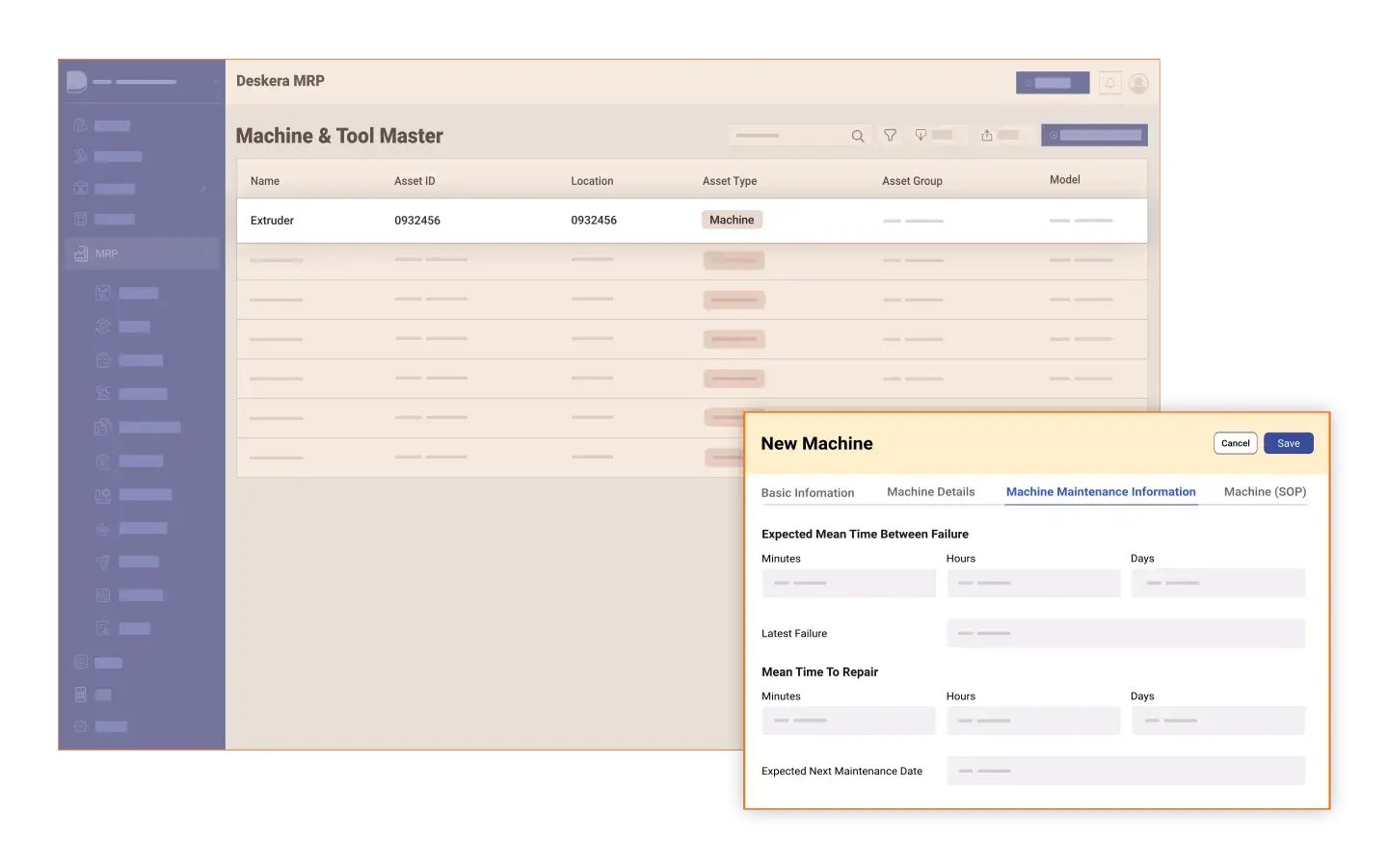
Deskera MRP helps manufacturing companies improve maintenance budget planning by providing real-time visibility into maintenance operations, equipment performance, spare parts inventory, and maintenance costs. Instead of relying on disconnected spreadsheets and manual tracking, manufacturers can use a centralized system to plan maintenance activities more accurately, reduce downtime, and optimize maintenance spending. Deskera MRP supports both preventive and proactive maintenance strategies, helping businesses gain better financial control over maintenance operations.
Centralized Maintenance Data and Asset Visibility
Deskera MRP centralizes maintenance records, machine history, equipment usage, and operational data in a single platform. This gives manufacturers better visibility into asset performance, recurring equipment issues, and maintenance trends. With accurate and centralized data, businesses can forecast maintenance expenses more effectively and create more reliable maintenance budgets. Improved visibility also helps maintenance teams prioritize critical assets and allocate resources efficiently.
Preventive Maintenance Scheduling
Deskera MRP helps manufacturers automate preventive maintenance scheduling to reduce unexpected equipment failures and emergency repair costs. Maintenance activities can be planned around production schedules to minimize operational disruptions and improve equipment uptime. By shifting from reactive maintenance to preventive maintenance, businesses can stabilize maintenance expenses and improve long-term budgeting accuracy.
Work Order Management and Tracking
Effective work order management is critical for controlling maintenance costs and improving maintenance efficiency. Deskera MRP allows businesses to create, assign, monitor, and track maintenance work orders in real time. Maintenance teams can prioritize urgent repairs, monitor task completion, and analyze labor and repair costs associated with each work order. This structured approach improves accountability and provides better cost visibility for maintenance budget planning.
Spare Parts Inventory Management
Spare parts shortages and excess inventory can significantly affect maintenance budgets. Deskera MRP integrates maintenance planning with inventory management, helping manufacturers maintain optimal stock levels for critical spare parts and maintenance supplies. Businesses can monitor spare parts usage, automate replenishment, and reduce inventory carrying costs while ensuring essential components are available during maintenance activities.
Real-Time Maintenance Cost Tracking
Deskera MRP provides real-time reporting and dashboards that help manufacturers track maintenance costs, downtime, equipment utilization, and maintenance performance metrics. This allows organizations to compare actual maintenance spending against budget estimates and identify areas where costs can be reduced. Real-time analytics support better forecasting, improved financial control, and more informed maintenance budgeting decisions.
Better Resource Allocation and Workforce Planning
Maintenance budgeting also depends on efficient labor and resource utilization. Deskera MRP helps manufacturers allocate technicians, tools, and maintenance resources more effectively by improving maintenance scheduling and workload visibility. Businesses can reduce overtime costs, improve technician productivity, and ensure maintenance resources are aligned with operational priorities. This supports more efficient maintenance operations and improved budget management.
Reduced Downtime and Improved Equipment Reliability
Unexpected downtime can quickly increase maintenance expenses and impact production schedules. Deskera MRP helps manufacturers improve machine reliability through proactive maintenance planning, machine performance monitoring, and automated maintenance workflows. Better equipment reliability reduces costly emergency repairs, stabilizes maintenance costs, and supports long-term operational efficiency.
Scalable Maintenance Planning for Growing Manufacturing Operations
As manufacturing operations expand, maintenance requirements become more complex. Deskera MRP supports scalable maintenance management by helping businesses manage multiple production lines, assets, and maintenance schedules within a unified system. This scalability allows manufacturers to maintain budget accuracy, improve operational visibility, and support long-term growth without losing control over maintenance expenses.
Key Takeaways
- Maintenance budget planning helps manufacturing companies reduce downtime, improve equipment reliability, and maintain better control over maintenance expenses.
- Maintenance budgeting focuses specifically on asset upkeep and repair costs, while overall operational budgeting covers broader business expenses and operational activities.
- An effective maintenance budget should include preventive maintenance, corrective repairs, spare parts inventory, labor expenses, emergency repairs, and equipment upgrade costs.
- Proper maintenance budget planning minimizes unexpected equipment failures, supports financial stability, and improves long-term asset performance.
- Key components of a strong maintenance budget plan include asset assessment, maintenance strategy selection, labor planning, spare parts management, and performance tracking.
- Creating a maintenance budget plan requires analyzing historical data, assessing equipment criticality, estimating maintenance costs, and regularly reviewing budget performance.
- Common maintenance budgeting challenges include unpredictable breakdowns, rising labor and spare parts costs, inaccurate maintenance data, and balancing cost reduction with equipment reliability.
- Best practices such as preventive maintenance, predictive maintenance, spare parts optimization, and continuous KPI monitoring help manufacturers improve maintenance budget accuracy and efficiency.
- Tracking metrics like equipment downtime, MTBF, MTTR, maintenance cost per unit, and planned versus unplanned maintenance helps businesses evaluate maintenance performance and control costs.
- Preventive and predictive maintenance strategies play a major role in reducing emergency repairs, extending equipment lifespan, and improving maintenance cost forecasting.
- MRP software improves maintenance budget planning by centralizing maintenance data, automating scheduling, improving spare parts management, and providing real-time cost visibility.
- Deskera MRP helps manufacturers streamline maintenance budget planning through preventive maintenance scheduling, inventory management, work order tracking, real-time reporting, and better resource allocation.
Related Articles
 Niti Samani
 Niti Samani
 Niti Samani
 Niti Samani
 Niti Samani
 Niti Samani