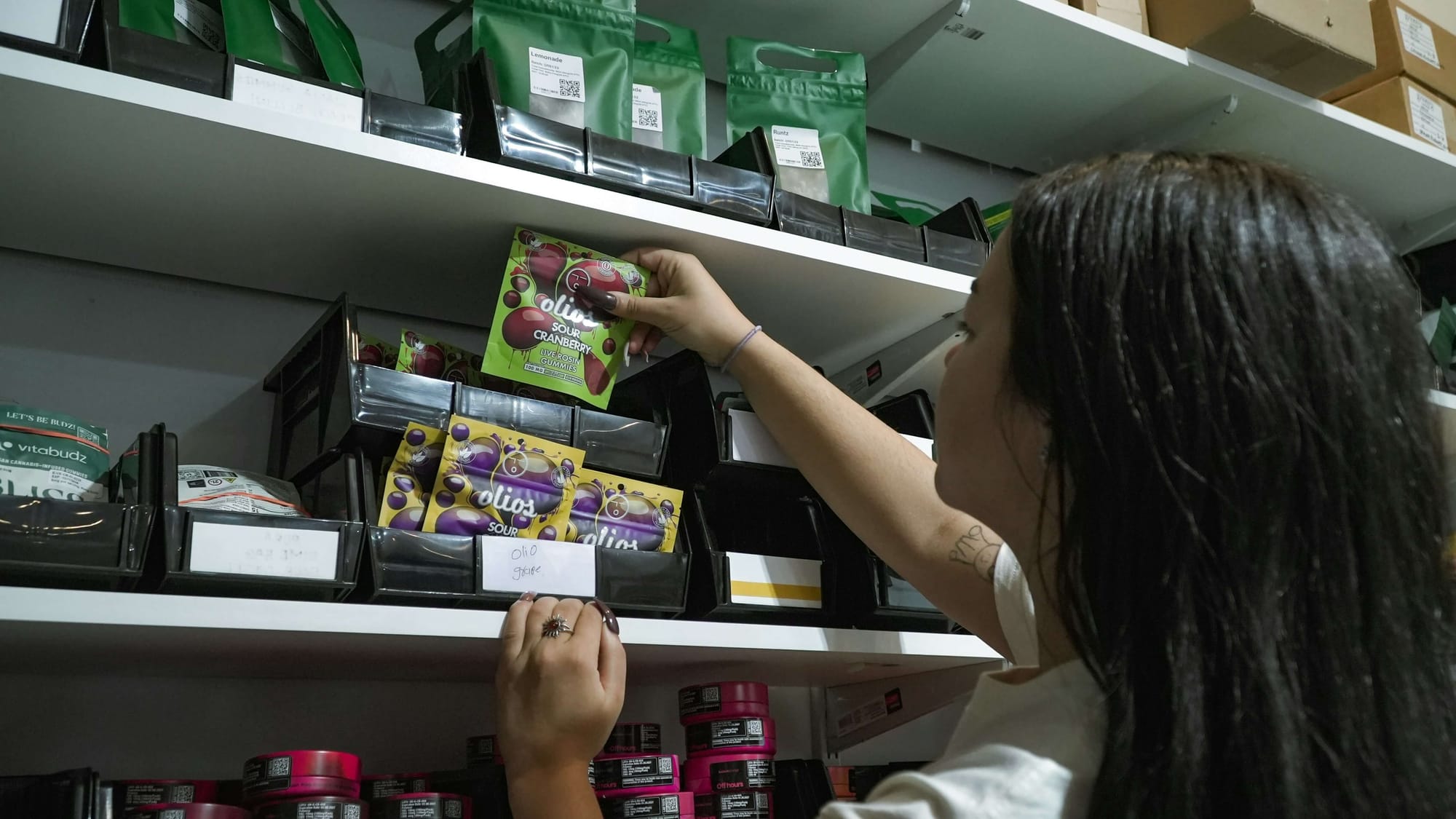


What happens when inventory does not move efficiently across a business? Production delays increase, warehouses become overcrowded, stockouts disrupt customer orders, and operating costs quickly rise. Efficient inventory flow is essential for maintaining smooth operations, meeting customer demand on time, and improving profitability. As supply chains become more complex, businesses need smarter ways to manage inventory movement across procurement, warehousing, production, and distribution.
Inventory flow refers to the movement of goods from suppliers to warehouses, production facilities, and finally to customers. When inventory flow is optimized, businesses can reduce excess stock, improve order fulfillment, minimize carrying costs, and enhance operational efficiency. However, managing inventory manually or through disconnected systems often creates visibility gaps, inaccurate stock records, and replenishment delays that negatively impact overall business performance.
This is where ERP software plays a critical role. Modern ERP systems centralize inventory data, automate inventory tracking, and provide real-time visibility across the entire supply chain. By integrating inventory management with procurement, warehouse operations, production planning, and sales, ERP software helps businesses maintain accurate stock levels and streamline inventory movement. Companies can also use ERP-driven analytics and forecasting tools to make better inventory decisions and respond quickly to changing market demand.
Solutions like Deskera ERP help businesses optimize inventory flow through real-time inventory tracking, automated replenishment, multi-warehouse management, and advanced reporting capabilities. Its integrated platform connects inventory, purchasing, accounting, and production processes within a single system, improving coordination across departments. With mobile accessibility, AI-powered insights, and automation features, Deskera ERP enables businesses to reduce inefficiencies, improve inventory accuracy, and build a more agile supply chain.
What Is Inventory Flow?
Inventory flow refers to the continuous movement of products and materials through every stage of a business, from procurement and production to storage, distribution, and final delivery to customers. It represents how efficiently inventory moves across the supply chain rather than simply measuring how much stock a company holds at a given time.
In simple terms, inventory flow is the “lifeblood” of business operations. A healthy inventory flow ensures that raw materials arrive on time, products move smoothly through production, inventory is stored efficiently, and customer orders are fulfilled without delays. Effective inventory flow management helps businesses maintain the right balance of stock, reducing the risk of both stockouts and excess inventory.
Inventory flow is also closely connected to three critical factors: flow time, throughput, and variability. Flow time measures how long inventory stays within the supply chain, throughput refers to the rate at which goods move through operations, and variability reflects the consistency and predictability of inventory movement. Businesses with optimized inventory flow typically experience shorter storage times, faster replenishment cycles, and improved visibility across inventory processes.
Unlike static inventory counts that only show available stock levels, inventory flow provides deeper insights into how quickly inventory is converted into sales and revenue. In an efficient system, inventory moves continuously with minimal delays or bottlenecks. In contrast, poor inventory flow can lead to stagnant stock, warehouse congestion, production slowdowns, higher carrying costs, and reduced operational efficiency.
Phases of Inventory Flow
Inventory flow moves through several interconnected phases that ensure products travel efficiently from suppliers to customers. Each phase plays a critical role in maintaining stock availability, reducing delays, and supporting smooth business operations. Properly managing every stage of inventory flow helps businesses improve supply chain efficiency, reduce operational costs, and enhance customer satisfaction.
Procurement
Procurement is the first phase of inventory flow, where businesses purchase raw materials, components, or finished goods from suppliers. Efficient procurement ensures inventory arrives on time and aligns with production schedules or customer demand. Delays during this stage can disrupt the entire supply chain, making supplier coordination and accurate purchasing decisions essential for maintaining smooth inventory movement.
Production
During the production phase, raw materials are transformed into finished products ready for distribution or sale. Efficient production processes help maintain a steady inventory flow by reducing bottlenecks, minimizing downtime, and shortening lead times. Businesses that optimize production workflows can improve operational efficiency, accelerate product availability, and better meet customer demand.
Storage
Once products are manufactured or received, they are stored in warehouses or stockrooms until needed for fulfillment or distribution. Proper storage management helps businesses organize inventory efficiently, improve stock visibility, and reduce handling errors. Well-structured storage processes also support accurate inventory counting, faster product retrieval, and better warehouse utilization while minimizing the risk of stockouts or overstocking.
Distribution
The distribution phase involves moving products from warehouses or fulfillment centers to retail locations, distributors, or directly to customers. Efficient distribution ensures timely deliveries, improves order fulfillment speed, and enhances customer satisfaction. Businesses must optimize transportation routes, logistics coordination, and delivery processes to maintain uninterrupted inventory flow and reduce shipping delays.
Sales
Sales represent the final phase of inventory flow, where products are sold to customers and inventory records are updated accordingly. Accurate and real-time inventory updates during sales transactions help businesses maintain correct stock levels and avoid inventory discrepancies. Efficient sales processes also provide valuable demand data that supports future forecasting, replenishment planning, and inventory optimization efforts.
Why Inventory Flow Management is Important
Effective inventory flow management is essential for maintaining operational efficiency, reducing costs, and ensuring products move smoothly across the supply chain. It helps businesses maintain optimal stock levels, improve production planning, and respond quickly to changing customer demand. By improving the movement and visibility of inventory, companies can minimize disruptions, improve resource utilization, and strengthen overall business performance.
Reduces Stockouts and Overstocking
Proper inventory flow management helps businesses maintain the right inventory balance by ensuring stock is replenished at the right time and in the correct quantities. This reduces the risk of stock shortages that disrupt production or customer orders while also preventing excess inventory that increases storage and carrying costs. Better inventory flow creates a more stable and efficient supply chain.
Improves Production Efficiency
Efficient inventory flow ensures raw materials, components, and finished goods move seamlessly through production processes without delays. Manufacturers can avoid production stoppages caused by missing materials and reduce idle time across operations. With smoother inventory movement, production teams can maintain consistent workflows, improve output quality, and meet delivery deadlines more effectively.
Enhances Order Fulfillment Speed
When inventory moves efficiently through warehouses and distribution channels, businesses can process and deliver customer orders faster. Improved inventory visibility helps teams quickly locate products, manage stock availability, and reduce fulfillment delays. Faster order processing not only improves operational efficiency but also enhances customer satisfaction and strengthens long-term customer relationships.
Optimizes Warehouse Operations
Strong inventory flow management improves warehouse organization by reducing congestion, minimizing unnecessary inventory handling, and improving storage utilization. Products move through receiving, storage, picking, packing, and shipping processes more efficiently. This helps businesses lower labor costs, improve warehouse productivity, and reduce errors associated with manual inventory movement and tracking.
Improves Cash Flow and Working Capital
Inventory directly impacts a company’s cash flow because excess stock ties up valuable working capital. Efficient inventory flow helps businesses reduce unnecessary inventory holding costs and improve inventory turnover rates. By moving products faster and maintaining optimal stock levels, companies can free up capital for other business activities such as expansion, innovation, and operational improvements.
Common Challenges in Inventory Flow Management
Managing inventory flow efficiently can be difficult, especially as supply chains become more complex and customer expectations continue to rise. Many businesses struggle with visibility gaps, inaccurate inventory records, delayed replenishment, and operational inefficiencies that disrupt the smooth movement of goods. These challenges can lead to higher costs, slower order fulfillment, production delays, and poor customer satisfaction if not addressed effectively.
Lack of Real-Time Inventory Visibility
Many businesses rely on disconnected systems or manual tracking methods that make it difficult to monitor inventory levels in real time. Without accurate visibility, companies may struggle to track stock movement across warehouses, production facilities, and distribution channels. This often results in delayed decision-making, inventory discrepancies, and reduced operational efficiency throughout the supply chain.
Manual Inventory Tracking Errors
Manual inventory management processes increase the risk of data entry mistakes, duplicate records, and inaccurate stock counts. Human errors can lead to incorrect inventory levels, delayed replenishment, and fulfillment issues that disrupt business operations. Over time, these inaccuracies create inefficiencies that negatively affect production schedules, warehouse performance, and customer satisfaction.
Poor Warehouse Coordination
Inefficient warehouse layouts, inconsistent inventory handling procedures, and lack of coordination between teams can slow down inventory movement. Products may spend excessive time in storage or become difficult to locate during order fulfillment. Poor warehouse coordination increases labor costs, delays shipments, and reduces overall warehouse productivity and operational efficiency.
Inaccurate Demand Forecasting
Forecasting errors make it difficult for businesses to maintain optimal inventory levels. Underestimating demand can result in stockouts and lost sales, while overestimating demand creates excess inventory and higher carrying costs. Without accurate forecasting, businesses may struggle to align procurement, production, and replenishment activities with actual market demand.
Delays in Procurement and Replenishment
Slow procurement processes and delayed supplier deliveries can disrupt inventory flow and create production bottlenecks. Businesses may face difficulties maintaining adequate stock levels if purchase orders, approvals, or replenishment activities are not properly managed. These delays can negatively impact manufacturing schedules, customer deliveries, and supply chain reliability.
Inefficient Inventory Movement Across Locations
Businesses operating across multiple warehouses or distribution centers often struggle to maintain smooth inventory movement between locations. Poor coordination and lack of centralized inventory data can lead to stock imbalances, unnecessary transfers, and delayed order fulfillment. Inefficient inventory movement increases transportation costs and reduces overall supply chain responsiveness.
Inventory Flow Strategies
Implementing the right inventory flow strategies helps businesses improve stock movement, reduce operational inefficiencies, and maintain optimal inventory levels. These strategies focus on minimizing delays, improving replenishment accuracy, and ensuring products move smoothly across the supply chain. By adopting effective inventory flow techniques, businesses can lower costs, improve order fulfillment, and enhance overall supply chain performance.
Just-in-Time (JIT) Inventory
Just-in-Time (JIT) inventory management focuses on ordering and receiving inventory only when it is needed for production or customer demand. This strategy helps businesses reduce excess inventory, minimize storage costs, and lower the risk of obsolete stock. JIT also improves operational efficiency by ensuring materials and products move quickly through the supply chain with minimal waste.
ABC Analysis
ABC analysis categorizes inventory based on value and sales frequency to improve inventory control and prioritization. “A” items are high-value products requiring close monitoring, while “B” and “C” items receive moderate or lower attention. This strategy helps businesses allocate resources efficiently, optimize replenishment planning, and maintain smoother inventory flow for critical products.
Cross-Docking
Cross-docking reduces storage time by transferring products directly from inbound shipments to outbound transportation with minimal warehouse handling. This strategy improves inventory flow by speeding up distribution processes and reducing warehouse congestion. Businesses can lower storage costs, improve delivery speed, and increase supply chain efficiency through faster product movement across facilities.
Safety Stock Management
Maintaining safety stock helps businesses handle unexpected demand fluctuations, supplier delays, or supply chain disruptions. By keeping additional inventory as a buffer, companies can prevent stockouts and maintain uninterrupted operations during periods of uncertainty. Proper safety stock management improves inventory reliability while balancing the need to avoid excessive inventory carrying costs.
Demand Forecasting
Demand forecasting uses historical sales data, market trends, and analytics to predict future inventory requirements more accurately. This strategy helps businesses align inventory levels with expected customer demand, reducing both stock shortages and excess inventory. Accurate forecasting improves procurement planning, production scheduling, and replenishment efficiency across the supply chain.
FIFO Inventory Management
First-In, First-Out (FIFO) ensures that older inventory is sold or used before newer stock enters circulation. This strategy is especially important for perishable goods, pharmaceuticals, and products with expiration dates. FIFO improves inventory flow by reducing product obsolescence, minimizing waste, and maintaining healthier stock rotation within warehouses and distribution centers.
Inventory Automation
Automating inventory processes through ERP systems, barcode scanning, and RFID technology improves inventory accuracy and operational speed. Automation reduces manual errors, streamlines stock tracking, and provides real-time inventory visibility. Businesses can improve replenishment efficiency, accelerate warehouse operations, and maintain smoother inventory movement throughout the supply chain.
Multi-Warehouse Optimization
Businesses operating across multiple locations can improve inventory flow by strategically distributing stock between warehouses and fulfillment centers. Multi-warehouse optimization helps reduce delivery times, balance inventory levels, and improve order fulfillment efficiency. Centralized inventory visibility also enables businesses to transfer stock efficiently and avoid inventory imbalances across locations.
Key ERP Features That Improve Inventory Flow
Modern ERP systems provide advanced tools that help businesses manage inventory movement more efficiently across procurement, warehousing, production, and distribution processes.
These features improve inventory visibility, automate routine tasks, reduce manual errors, and support faster decision-making. By streamlining inventory operations, ERP software helps businesses maintain smooth inventory flow while improving supply chain performance and operational efficiency.
Real-Time Inventory Monitoring
ERP systems provide real-time visibility into inventory levels, stock movement, and product availability across all business locations. Businesses can track inventory instantly as products move through procurement, production, warehousing, and sales processes. This improved visibility helps companies make faster decisions, avoid stock discrepancies, and maintain better control over inventory operations.
Barcode and RFID Integration
Barcode and RFID technology integration allows businesses to automate inventory tracking and improve inventory accuracy. ERP systems can capture real-time inventory data during receiving, storage, picking, packing, and shipping activities. This reduces manual data entry errors, speeds up warehouse operations, and improves the overall movement and traceability of inventory throughout the supply chain.
Automated Reorder Points and Alerts
ERP software can automatically monitor inventory levels and trigger replenishment alerts when stock reaches predefined reorder points. This helps businesses avoid stock shortages and reduce excess inventory accumulation. Automated alerts improve procurement efficiency, support timely purchasing decisions, and ensure uninterrupted inventory flow across manufacturing and distribution operations.
Inventory Forecasting Tools
Advanced ERP systems use historical sales data, demand patterns, and inventory trends to improve forecasting accuracy. These forecasting tools help businesses predict future inventory requirements and optimize stock planning. Better forecasting reduces the risk of stockouts and overstocking while improving production scheduling, procurement planning, and overall supply chain coordination.
Warehouse Management Capabilities
ERP systems often include warehouse management features that optimize inventory storage, picking, packing, and shipping processes. Businesses can improve warehouse organization, reduce handling delays, and increase order fulfillment efficiency. Better warehouse coordination helps inventory move faster through operations while minimizing operational bottlenecks and storage inefficiencies.
Mobile Inventory Access
Mobile-enabled ERP systems allow employees to access inventory data, update stock records, and monitor inventory movement from smartphones or tablets. Warehouse teams and managers can track inventory activities in real time from any location. Mobile accessibility improves operational flexibility, speeds up decision-making, and enhances overall inventory management efficiency.
Advanced Reporting and Analytics
ERP software provides detailed inventory reports and analytics that help businesses monitor inventory performance and identify inefficiencies. Companies can track metrics such as inventory turnover, carrying costs, stock accuracy, and order fulfillment rates. These insights support data-driven decision-making and help businesses continuously improve inventory flow processes.
AI-Powered Inventory Insights
Many modern ERP systems use artificial intelligence to analyze inventory trends, identify demand fluctuations, and recommend inventory optimization strategies. AI-powered insights help businesses improve forecasting accuracy, automate replenishment decisions, and reduce supply chain disruptions. These intelligent capabilities enable companies to manage inventory flow more proactively and efficiently.
How ERP Software Optimizes Inventory Flow
ERP software helps businesses streamline and control the movement of inventory across the entire supply chain. By integrating inventory management with procurement, production, warehousing, sales, and logistics, ERP systems provide real-time visibility and automation that improve inventory accuracy and operational efficiency. This enables businesses to reduce delays, eliminate bottlenecks, and ensure products move smoothly from suppliers to customers.
Centralizes Inventory Data Across Departments
ERP software consolidates inventory information from purchasing, warehouse management, production, sales, and finance into a single centralized platform. This eliminates data silos and ensures all departments work with accurate, real-time inventory information. Better coordination between teams improves inventory planning, reduces communication gaps, and supports smoother inventory movement across operations.
Provides Real-Time Inventory Visibility
ERP systems allow businesses to monitor inventory levels, stock availability, and product movement in real time. Managers can instantly track inventory across warehouses, production facilities, and distribution channels. Real-time visibility helps businesses make faster inventory decisions, respond quickly to demand changes, and prevent stock discrepancies that disrupt operations.
Automates Inventory Tracking and Updates
ERP software automates inventory transactions such as stock receipts, transfers, picking, shipping, and replenishment updates. Automated tracking reduces manual data entry errors and improves inventory accuracy throughout the supply chain. Businesses can maintain up-to-date stock records while improving operational efficiency and reducing the administrative workload associated with inventory management.
Improves Demand Forecasting Accuracy
ERP systems use historical sales data, inventory trends, and market demand patterns to improve forecasting accuracy. Better demand forecasting helps businesses maintain optimal stock levels and avoid both stockouts and excess inventory. Accurate forecasting also supports better production scheduling, procurement planning, and inventory replenishment strategies.
Streamlines Procurement and Replenishment
ERP software automates procurement workflows and inventory replenishment processes to ensure timely stock availability. Businesses can generate purchase orders automatically based on inventory thresholds, demand forecasts, or production requirements. This reduces procurement delays, improves supplier coordination, and helps maintain uninterrupted inventory flow across operations.
Enhances Warehouse Inventory Movement
ERP systems improve warehouse efficiency by optimizing receiving, storage, picking, packing, and shipping activities. Businesses can organize inventory more effectively, reduce product handling time, and improve warehouse coordination. Faster inventory movement within warehouses reduces operational bottlenecks and improves overall order fulfillment speed.
Supports Batch, Serial, and Lot Tracking
ERP software enables businesses to track inventory using batch numbers, serial numbers, or lot codes throughout the supply chain. This improves traceability, quality control, and inventory accuracy, especially in industries such as manufacturing, pharmaceuticals, and food processing. Better tracking capabilities also simplify recalls, compliance management, and inventory audits.
Improves Coordination Between Sales, Purchasing, and Production
ERP systems connect sales orders, procurement activities, and production schedules within a unified platform. This improves communication between departments and ensures inventory decisions align with customer demand and manufacturing requirements. Better coordination reduces delays, improves production efficiency, and helps businesses maintain smooth inventory flow.
Enables Multi-Location Inventory Management
Businesses operating across multiple warehouses or distribution centers can use ERP software to manage inventory centrally. ERP systems provide visibility into stock levels and inventory movement across all locations, helping businesses balance inventory efficiently. This reduces unnecessary stock transfers, improves fulfillment accuracy, and supports faster customer deliveries.
Reduces Inventory Holding Costs
By improving inventory planning, forecasting, and replenishment, ERP software helps businesses maintain optimal inventory levels and reduce excess stock. Lower inventory holding costs improve cash flow and free up warehouse space for more productive use. Efficient inventory flow also minimizes waste, obsolescence, and unnecessary operational expenses.
Best Practices for Optimizing Inventory Flow with ERP
Implementing ERP software alone is not enough to achieve efficient inventory flow. Businesses must also follow best practices that improve inventory visibility, streamline operations, and support data-driven decision-making. By combining ERP capabilities with effective inventory management strategies, companies can reduce inefficiencies, improve stock movement, and maintain a more agile and responsive supply chain.
Maintain Real-Time Inventory Visibility
Businesses should use ERP systems to monitor inventory levels, stock movement, and order status in real time across all locations. Real-time visibility helps teams respond quickly to demand changes, avoid stock discrepancies, and make faster operational decisions. Accurate inventory data also improves coordination between procurement, warehouse, production, and sales departments.
Automate Inventory Processes
Automating inventory-related tasks such as stock updates, purchase orders, replenishment alerts, and warehouse tracking reduces manual errors and improves operational efficiency. ERP automation helps businesses maintain accurate inventory records while minimizing administrative workload. Automated workflows also speed up inventory movement and ensure inventory processes remain consistent across operations.
Use Accurate Demand Forecasting
ERP systems should be used to analyze historical sales data, market trends, and customer demand patterns to improve forecasting accuracy. Better demand forecasting helps businesses maintain optimal inventory levels and avoid both stock shortages and excess inventory. Accurate forecasting also supports more efficient procurement planning and production scheduling.
Optimize Warehouse Management
Businesses should leverage ERP warehouse management features to improve inventory organization, storage allocation, and picking processes. Well-organized warehouses reduce product handling time, improve stock accessibility, and accelerate order fulfillment. Efficient warehouse operations help inventory move faster through the supply chain while minimizing operational bottlenecks.
Set Automated Reorder Points
Establishing automated reorder points within the ERP system ensures inventory is replenished before stock levels become critically low. Automated replenishment improves inventory availability and reduces the risk of production delays or missed customer orders. Businesses can also avoid overstocking by aligning reorder quantities with actual demand patterns.
Integrate Procurement, Sales, and Production
ERP systems should connect procurement, sales, inventory, and production functions within a single platform to improve cross-department coordination. Integrated operations help businesses align inventory planning with customer demand and manufacturing schedules. Better communication between departments reduces delays, improves resource allocation, and supports smoother inventory flow.
Monitor Inventory Performance Metrics
Tracking key inventory metrics such as inventory turnover, stockout rate, fill rate, and order cycle time helps businesses identify inefficiencies and optimize inventory operations. ERP analytics and reporting tools provide valuable insights into inventory performance trends. Regular monitoring enables businesses to make proactive adjustments and continuously improve inventory flow processes.
Train Employees on ERP Usage
Proper employee training ensures teams can fully utilize ERP inventory management features and follow standardized processes. Well-trained employees can manage inventory more accurately, reduce operational errors, and improve system adoption across departments. Continuous training also helps businesses maximize the long-term value and efficiency of their ERP investment.
Regularly Audit Inventory Data
Conducting regular inventory audits helps businesses verify inventory accuracy and identify discrepancies between physical stock and ERP records. Accurate inventory data is essential for maintaining smooth inventory flow and reliable forecasting. Routine audits also help businesses detect process inefficiencies, reduce shrinkage, and improve inventory control practices.
Key Metrics to Track the Efficiency of Inventory Flow
Tracking the right inventory flow metrics helps businesses evaluate how efficiently products move through procurement, storage, production, and fulfillment processes.
These metrics provide valuable insights into inventory performance, operational bottlenecks, and customer service levels. By monitoring inventory flow regularly, companies can improve decision-making, reduce costs, and maintain a more responsive and efficient supply chain.
Inventory Velocity
Inventory velocity measures how quickly products are sold compared to the average inventory held during a specific period. Faster inventory movement reduces storage costs, minimizes excess stock, and improves cash flow. Low inventory velocity may indicate overstocking, weak demand forecasting, or slow-moving products that negatively affect operational efficiency.
Formula: Inventory Velocity = Total Sales (Units) / Average Inventory (Units)
Fill Rate
Fill rate measures the percentage of customer orders fulfilled completely without backorders, delays, or substitutions. A high fill rate indicates efficient inventory management and strong alignment between stock availability and customer demand. Poor fill rates may signal inventory shortages, forecasting inaccuracies, or fulfillment inefficiencies that impact customer satisfaction.
Formula: Fill Rate = (Total Orders Shipped / Total Orders Placed) × 100
Stockout Rate
Stockout rate tracks how often products are unavailable when customers attempt to place orders. Maintaining a low stockout rate is essential for preserving customer trust and avoiding lost sales opportunities. Frequent stockouts often indicate poor demand forecasting, supplier delays, or ineffective inventory replenishment strategies.
Formula: Stockout Rate = (Number of SKUs Out of Stock / Total SKUs) × 100
Order Cycle Time
Order cycle time measures the time taken from when a customer places an order until the order is shipped or delivered. Shorter cycle times indicate efficient warehouse operations, faster order processing, and smoother inventory flow. Longer cycle times may highlight bottlenecks in picking, packing, shipping, or inventory coordination.
Formula: Order Cycle Time = Delivery Date - Order Date
Inventory Turnover
Inventory turnover measures how many times inventory is sold and replaced during a specific period. High inventory turnover reflects strong sales performance and efficient inventory movement, while low turnover may suggest excess stock or weak product demand. This metric helps businesses optimize inventory levels and improve working capital utilization.
Formula: Inventory Turnover = Cost of Goods Sold / Average Inventory
How Deskera ERP Helps Optimize Inventory Flow
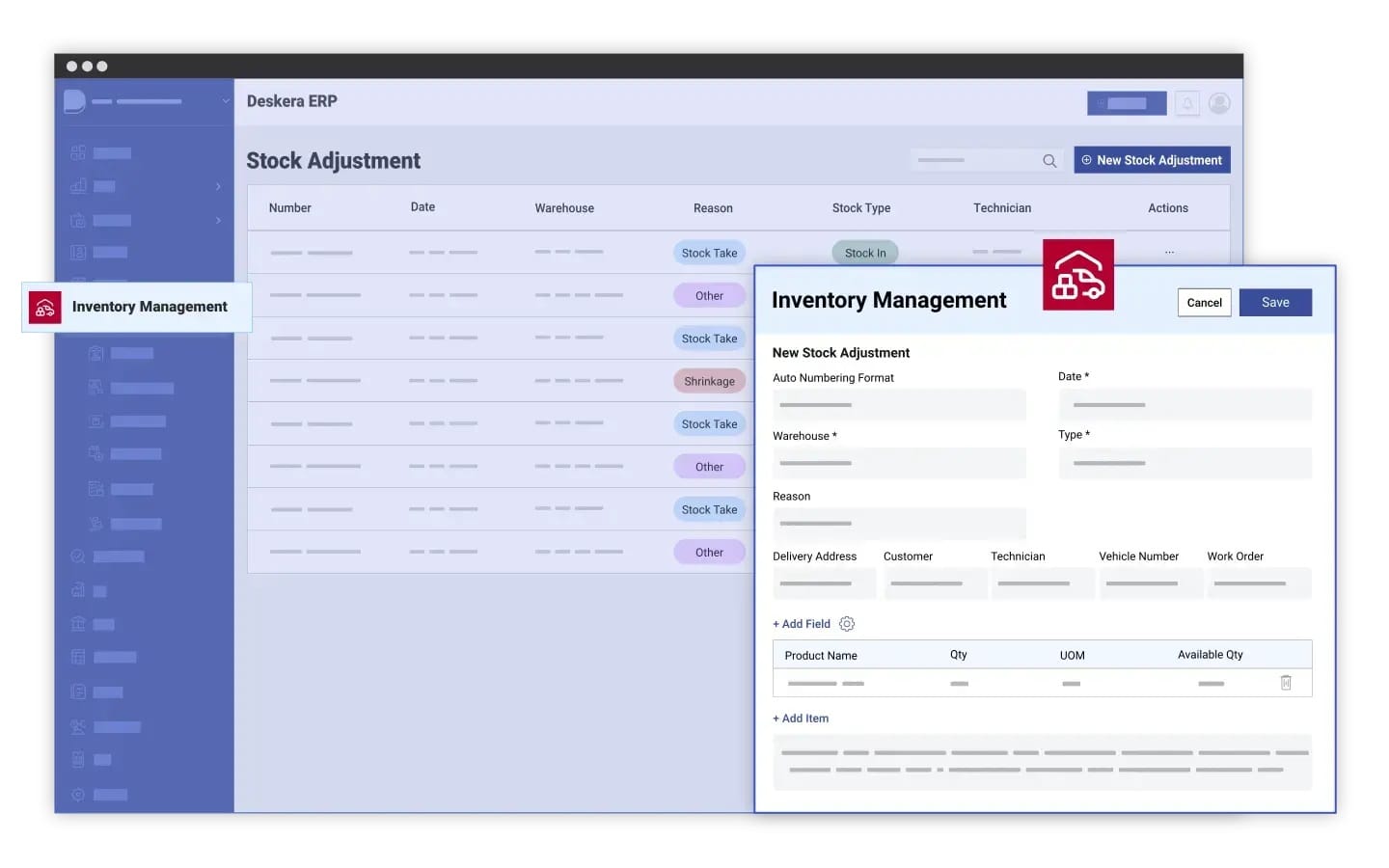
Deskera ERP provides businesses with an integrated platform to manage inventory, procurement, production, warehousing, and sales operations from a single system. By improving real-time visibility and automating inventory-related processes, Deskera helps businesses streamline inventory movement, reduce operational inefficiencies, and maintain optimal stock levels across the supply chain.
Real-Time Inventory Tracking and Visibility
Deskera ERP provides real-time visibility into inventory levels, stock movement, and product availability across warehouses and business locations. Businesses can track inventory throughout procurement, production, storage, and sales processes from a centralized dashboard. This improved visibility helps reduce inventory discrepancies, improve stock accuracy, and support faster operational decision-making.
Automated Inventory Replenishment
Deskera ERP automates inventory replenishment by setting reorder points and generating purchase recommendations based on stock levels and demand patterns. Automated replenishment helps businesses avoid stock shortages and excess inventory while maintaining uninterrupted inventory flow. This improves procurement efficiency and ensures materials and products are always available when needed.
Integrated Procurement and Inventory Management
Deskera ERP connects procurement and inventory management within a unified system, improving coordination between purchasing and warehouse operations. Businesses can manage supplier orders, track incoming inventory, and monitor stock availability in real time. Integrated workflows help reduce procurement delays, improve inventory planning, and streamline supply chain operations.
Warehouse Management Optimization
Deskera ERP helps businesses improve warehouse organization, inventory storage, and stock movement efficiency. The system supports better inventory tracking, faster picking and packing processes, and improved warehouse coordination. Optimized warehouse operations reduce handling delays, improve order fulfillment speed, and enhance overall inventory flow efficiency.
Multi-Warehouse Inventory Management
Businesses operating across multiple warehouses or distribution centers can centrally manage inventory using Deskera ERP. The platform provides real-time visibility into stock levels across all locations, helping businesses balance inventory efficiently and reduce unnecessary stock transfers. This improves order fulfillment accuracy and enhances supply chain responsiveness.
Demand Forecasting and Inventory Planning
Deskera ERP uses historical sales data and inventory trends to support more accurate demand forecasting and inventory planning. Businesses can anticipate future inventory requirements, optimize stock levels, and improve procurement decisions. Better forecasting reduces the risk of stockouts and overstocking while improving overall inventory flow management.
Mobile Accessibility for Inventory Operations
Deskera ERP offers mobile accessibility, allowing warehouse teams and managers to monitor inventory, update stock records, and manage inventory operations remotely. Real-time mobile access improves operational flexibility, speeds up decision-making, and ensures inventory information remains accurate and accessible across business functions.
Advanced Reporting and Analytics
Deskera ERP provides detailed inventory reports and analytics that help businesses monitor inventory performance and identify operational inefficiencies. Companies can track inventory turnover, stock movement, carrying costs, and order fulfillment metrics from centralized dashboards. These insights support data-driven decisions and continuous inventory flow optimization.
AI-Powered Business Insights
Deskera ERP includes AI-powered capabilities that help businesses analyze inventory trends, identify demand fluctuations, and improve inventory planning. Intelligent insights enable companies to make proactive inventory decisions, optimize replenishment strategies, and reduce supply chain disruptions. This helps businesses maintain smoother and more efficient inventory flow processes.
Key Takeaways
- Inventory flow refers to the continuous movement of products and materials across procurement, production, storage, distribution, and sales processes.
- Efficient inventory flow management helps businesses reduce stockouts, minimize excess inventory, improve cash flow, and enhance operational efficiency.
- Common inventory flow challenges include poor visibility, manual tracking errors, forecasting inaccuracies, procurement delays, and inefficient warehouse coordination.
- ERP software centralizes inventory data and automates inventory processes to improve inventory accuracy and supply chain visibility.
- ERP systems optimize inventory flow by integrating procurement, production, warehousing, sales, and inventory management within a single platform.
- Features such as real-time inventory monitoring, barcode integration, automated replenishment, and AI-driven analytics help improve inventory movement and control.
- Businesses can improve inventory flow using strategies such as Just-in-Time inventory, ABC analysis, cross-docking, safety stock management, and demand forecasting.
- Inventory flow moves through five key phases: procurement, production, storage, distribution, and sales, each contributing to smooth supply chain operations.
- Key inventory flow metrics such as inventory velocity, fill rate, stockout rate, order cycle time, and inventory turnover help businesses monitor operational performance.
- Best practices like inventory automation, real-time tracking, warehouse optimization, and ERP integration help businesses maintain efficient inventory flow.
- Deskera ERP helps optimize inventory flow through real-time inventory tracking, automated replenishment, multi-warehouse management, forecasting, and advanced analytics.
Related Articles
 Niti Samani
 Niti Samani
 Niti Samani
 Niti Samani
 Niti Samani
 Niti Samani