
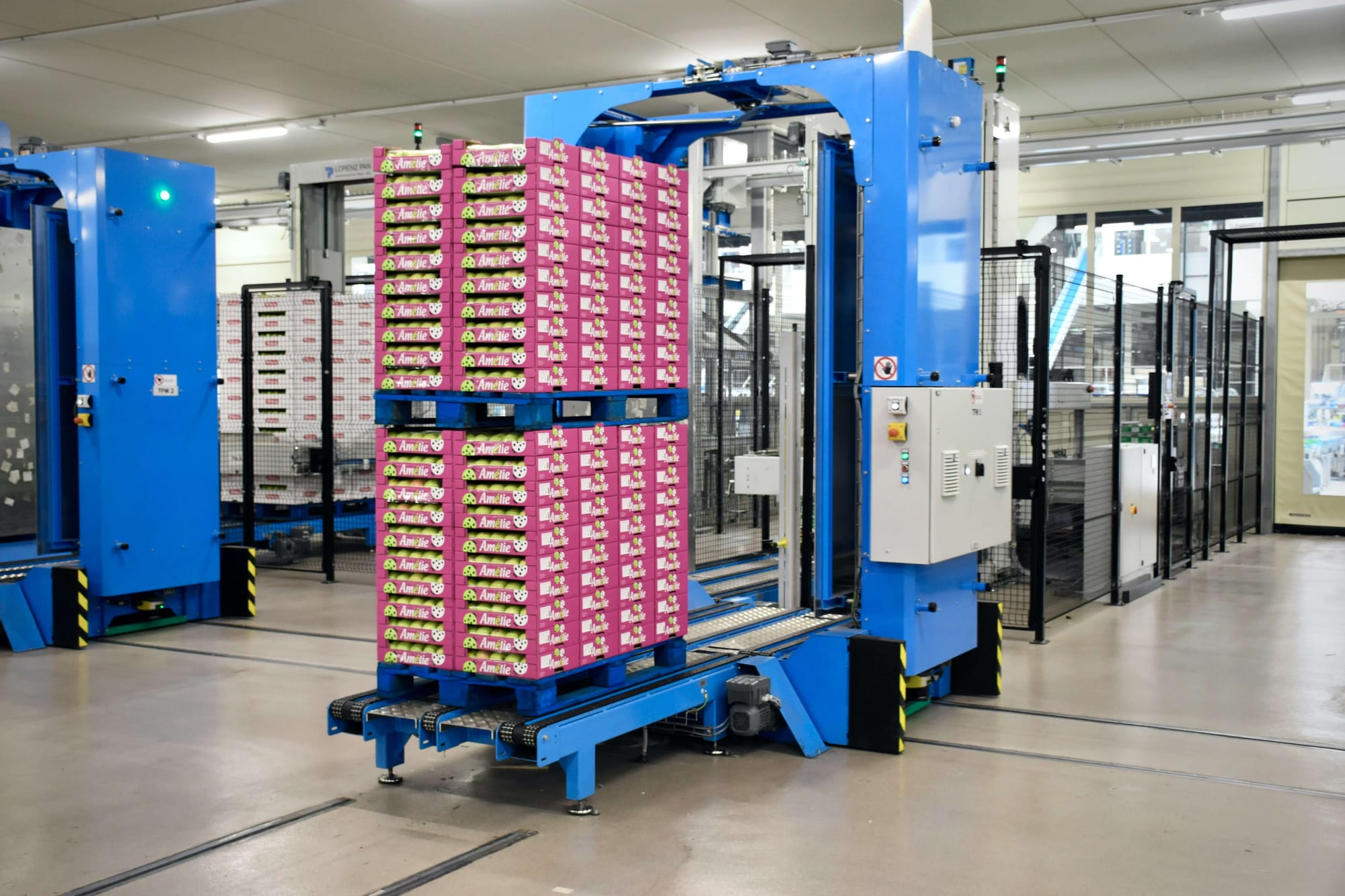

Have you ever wondered how companies like Toyota, Dell, and Amazon manage to reduce excess inventory while still meeting customer demand on time? The answer lies in an efficient operational model known as the Just in Time (JIT) supply chain strategy. This approach focuses on receiving raw materials, components, and inventory only when they are needed in the production or sales process, helping businesses minimize waste, lower storage costs, and improve overall efficiency.
In today’s highly competitive and rapidly changing business environment, organizations are under constant pressure to optimize inventory levels, improve cash flow, and build more agile supply chains. Traditional inventory systems that rely on maintaining large stock levels often result in higher carrying costs, overstocking, and operational inefficiencies. In contrast, JIT supply chain management enables businesses to streamline procurement, production, and inventory management processes while responding more effectively to customer demand and market fluctuations.
However, implementing a Just in Time supply chain strategy is not without challenges. While the model offers significant benefits such as reduced inventory costs, improved operational efficiency, and faster production cycles, it also increases dependence on accurate demand forecasting, reliable suppliers, and efficient logistics networks. Even minor disruptions in transportation, supplier delays, or sudden shifts in customer demand can impact business continuity. This makes strategic planning, supply chain visibility, and real-time data management critical for successful JIT implementation.
This is where modern ERP solutions like Deskera ERP play a vital role. Deskera ERP helps businesses streamline procurement, inventory management, warehouse operations, and production planning through a centralized platform. With features such as real-time inventory tracking, automated procurement workflows, demand forecasting, analytics, and supply chain visibility, businesses can efficiently support JIT operations while reducing operational risks. By integrating key supply chain functions into a single system, Deskera ERP enables organizations to build smarter, leaner, and more resilient supply chains.
What Is Just in Time (JIT) Supply Chain Strategy?
Just in Time (JIT) supply chain strategy is an inventory and production management approach in which materials, components, and products are ordered, produced, or delivered only when they are needed in the production or sales process. The primary goal of JIT is to minimize excess inventory, reduce storage costs, eliminate waste, and improve operational efficiency across the supply chain.
Unlike traditional supply chain models that maintain large amounts of inventory as a buffer against uncertainty, JIT focuses on maintaining lean inventory levels. Businesses using JIT rely heavily on accurate demand forecasting, efficient supplier coordination, real-time inventory visibility, and streamlined logistics to ensure that products and raw materials arrive exactly at the right time and in the required quantity.
The concept of JIT became widely popular through the Japanese manufacturing industry, particularly through Toyota and its Toyota Production System (TPS). Toyota developed the JIT methodology to improve manufacturing efficiency, reduce production waste, and enhance product quality. Since then, the strategy has been adopted across various industries, including manufacturing, retail, automotive, electronics, healthcare, and e-commerce.
In a JIT supply chain system, businesses continuously monitor customer demand, production schedules, and inventory levels to avoid overstocking and understocking. Raw materials are procured only when production requires them, and finished goods are produced based on actual market demand rather than forecasts alone. This demand-driven approach helps organizations optimize working capital, improve cash flow, and respond more quickly to market changes.
The success of a Just in Time supply chain strategy depends on several critical factors, including strong supplier relationships, reliable transportation networks, efficient warehouse operations, and advanced technology systems. Modern ERP and supply chain management software play a crucial role in supporting JIT operations by providing real-time data, inventory tracking, procurement automation, and demand forecasting capabilities.
Today, JIT supply chain strategy is considered one of the most effective approaches for businesses seeking lean operations, cost optimization, and greater supply chain agility. However, because it relies on minimal inventory buffers, companies must carefully manage risks such as supplier delays, transportation disruptions, and sudden fluctuations in demand.
JIT Supply Chain Strategy vs Traditional Supply Chain Model
Businesses use different supply chain strategies depending on their operational goals, industry requirements, customer demand patterns, and inventory management approach. The Just in Time (JIT) supply chain strategy focuses on maintaining minimal inventory and producing goods based on real-time demand, while traditional supply chain models typically rely on larger inventory reserves to prevent stock shortages and handle demand fluctuations.
Both approaches have their own advantages and limitations. JIT systems prioritize efficiency, cost reduction, and lean operations, whereas traditional supply chain models emphasize stability, inventory availability, and risk reduction through buffer stock. Understanding the differences between these two strategies helps businesses choose the most suitable supply chain model for their operational needs.
How Just in Time (JIT) Supply Chain Strategy Works
A Just in Time (JIT) supply chain strategy works by aligning procurement, production, inventory management, and delivery processes with real-time customer demand. Instead of maintaining large amounts of inventory, businesses receive materials and produce goods only when they are needed.
This approach helps reduce waste, lower carrying costs, and improve operational efficiency. Successful JIT implementation depends on accurate demand forecasting, reliable supplier coordination, real-time inventory visibility, and efficient logistics management.
Demand-Driven Inventory Management
JIT supply chain strategy operates on a demand-driven model where inventory levels are based on actual customer orders and market demand rather than long-term stockpiling. Businesses continuously monitor sales trends, customer behavior, and production requirements to maintain optimal inventory levels.
This minimizes excess inventory, reduces storage costs, and lowers the risk of obsolete stock. Demand-driven inventory management also helps organizations improve cash flow by reducing unnecessary capital tied up in inventory.
Real-Time Procurement and Replenishment
In a JIT system, raw materials and components are ordered only when production requires them. Procurement teams coordinate closely with suppliers to ensure timely delivery of goods in the exact quantity needed.
This real-time replenishment process helps businesses avoid overordering and excessive warehouse storage. Automated procurement systems and ERP software further improve efficiency by tracking inventory levels, generating purchase orders, and reducing manual procurement delays.
Supplier Coordination and Communication
Strong supplier relationships are essential for the success of a JIT supply chain strategy. Businesses must maintain clear communication and collaboration with suppliers to ensure materials arrive on time and meet quality standards.
Suppliers often share production schedules, inventory data, and delivery timelines with manufacturers to support seamless operations. Reliable supplier coordination helps minimize production interruptions, reduce lead times, and improve supply chain responsiveness.
Production Scheduling and Workflow Optimization
JIT supply chains rely heavily on efficient production scheduling to ensure that manufacturing processes align with customer demand and inventory availability. Production activities are carefully planned to avoid delays, bottlenecks, and excess work-in-progress inventory.
Businesses optimize workflows by streamlining operations, reducing setup times, and improving resource allocation. This helps manufacturers increase productivity, shorten production cycles, and maintain lean manufacturing operations.
Continuous Inventory Monitoring
Continuous inventory monitoring is a critical component of JIT supply chain management. Businesses use inventory tracking systems, barcode scanners, RFID technology, and ERP software to gain real-time visibility into stock levels and material movement.
Monitoring inventory in real time helps organizations quickly identify shortages, prevent stockouts, and maintain accurate inventory records. Improved inventory visibility also enables faster decision-making and enhances overall supply chain efficiency.
Efficient Transportation and Logistics Management
Transportation and logistics play a vital role in ensuring the success of a JIT strategy. Since businesses maintain minimal inventory buffers, materials and finished products must be delivered quickly and reliably.
Companies optimize transportation routes, delivery schedules, and distribution processes to avoid delays and disruptions. Efficient logistics management helps maintain smooth production operations, improve order fulfillment rates, and reduce unnecessary transportation costs.
Use of ERP and Supply Chain Technology
Modern JIT supply chains rely on ERP and supply chain management software to coordinate inventory, procurement, production, and logistics activities.
ERP systems provide centralized access to real-time data, helping businesses improve forecasting accuracy, automate workflows, and enhance operational visibility.
Technologies such as AI, predictive analytics, IoT devices, and cloud-based supply chain platforms further strengthen JIT operations by enabling faster and more data-driven decision-making.
Major Benefits of Just in Time (JIT) Supply Chain Strategy
The Just in Time (JIT) supply chain strategy offers several operational and financial advantages for businesses seeking leaner and more efficient supply chain management.
By reducing unnecessary inventory and aligning production closely with customer demand, JIT helps organizations improve productivity, lower costs, and optimize resource utilization.
Businesses across manufacturing, retail, automotive, and e-commerce industries use JIT systems to enhance agility, improve inventory control, and strengthen overall supply chain performance.
Reduced Inventory Holding Costs
One of the biggest advantages of a JIT supply chain strategy is the significant reduction in inventory holding costs. Since businesses maintain lower inventory levels, they spend less on warehousing, storage, insurance, and inventory maintenance.
Reduced carrying costs help organizations free up working capital that can be invested in other business operations such as expansion, technology upgrades, or product development. Lower inventory levels also minimize the financial risks associated with unsold or obsolete stock.
Improved Cash Flow Management
JIT supply chain management improves cash flow by reducing the amount of money tied up in inventory. Businesses purchase raw materials and products only when needed, allowing them to allocate capital more efficiently.
Improved cash flow provides greater financial flexibility and helps organizations manage operational expenses more effectively.
Companies with strong cash flow can also respond faster to market opportunities and changing customer demands without maintaining excessive inventory reserves.
Lower Warehouse Space Requirements
Because JIT systems operate with minimal inventory levels, businesses require less warehouse and storage space. This helps reduce facility-related costs such as rent, utilities, equipment maintenance, and labor expenses.
Smaller warehouse requirements also improve operational efficiency by simplifying inventory handling and reducing clutter within storage facilities.
Businesses can utilize the available space more strategically for faster order processing and improved workflow management.
Reduced Waste and Overstocking
JIT supply chain strategy helps businesses minimize waste caused by overproduction, excess inventory, and unsold products. By producing goods based on actual customer demand, organizations can avoid overstocking and reduce the likelihood of obsolete inventory.
This is especially important in industries with rapidly changing consumer preferences or products with limited shelf life. Reduced waste also supports lean manufacturing principles and helps businesses improve sustainability initiatives.
Faster Production Cycles
JIT systems streamline production processes by ensuring that materials and components arrive exactly when needed. This reduces delays caused by inventory shortages or inefficient workflows and enables faster production cycles.
Businesses can manufacture and deliver products more quickly, improving responsiveness to customer demand. Faster production turnaround times also help organizations remain competitive in industries where speed and operational efficiency are critical success factors.
Better Product Quality Control
Since JIT focuses on smaller and more frequent production runs, businesses can identify and resolve quality issues more quickly. Problems in raw materials, manufacturing processes, or finished goods are detected earlier before they affect large batches of products.
Improved quality control helps reduce defects, rework, and product recalls while enhancing customer satisfaction. Consistent product quality also strengthens brand reputation and customer loyalty.
Improved Operational Efficiency
JIT supply chain strategy improves overall operational efficiency by streamlining procurement, production, inventory management, and logistics activities. Businesses eliminate unnecessary processes, reduce idle inventory, and optimize resource utilization across the supply chain.
Enhanced operational efficiency leads to lower operational costs, improved productivity, and better coordination between departments. Companies can also make faster and more accurate business decisions using real-time supply chain data.
Enhanced Customer Satisfaction
By improving production efficiency and inventory availability, JIT systems help businesses fulfill customer orders more accurately and on time. Faster response times and efficient order processing contribute to higher customer satisfaction levels.
Businesses can also adapt more quickly to changes in customer preferences and market demand. Reliable delivery schedules and consistent product availability help strengthen customer relationships and improve long-term customer retention.
Increased Supply Chain Flexibility
JIT supply chain management enables businesses to become more agile and responsive to market changes. Since companies operate with lean inventory levels, they can adjust production schedules and procurement plans more easily based on real-time demand fluctuations.
Increased flexibility helps businesses respond quickly to seasonal demand changes, new market trends, and unexpected disruptions. This adaptability is particularly valuable in highly competitive and rapidly evolving industries.
Risks and Challenges of JIT Supply Chain Strategy
While the Just in Time (JIT) supply chain strategy offers significant cost and efficiency benefits, it also comes with several risks and operational challenges. Since JIT systems rely on minimal inventory levels, businesses have very little margin for error when disruptions occur.
Delays in procurement, transportation issues, inaccurate demand forecasting, or supplier failures can quickly impact production schedules and customer deliveries. To successfully implement JIT, organizations must carefully manage supply chain risks, strengthen supplier relationships, and maintain real-time operational visibility.
Supply Chain Disruptions
JIT supply chain systems are highly vulnerable to supply chain disruptions because businesses maintain very low inventory buffers. Events such as natural disasters, geopolitical conflicts, labor strikes, or pandemics can interrupt the flow of raw materials and finished goods.
Even short-term disruptions can delay production and impact customer deliveries. Companies using JIT must develop contingency plans and build resilient supply chain networks to minimize the impact of unexpected disruptions.
Dependence on Suppliers
A successful JIT strategy depends heavily on reliable suppliers that can consistently deliver materials on time and meet quality standards.
If suppliers fail to fulfill orders due to operational issues, financial instability, or capacity limitations, production activities may come to a halt.
Businesses must maintain strong communication and long-term partnerships with suppliers to reduce supply-related risks. Supplier diversification can also help minimize overdependence on a single vendor.
Transportation Delays
Efficient transportation and logistics are critical in JIT supply chain management because materials are delivered exactly when needed for production or sales.
Transportation delays caused by traffic congestion, fuel shortages, weather conditions, or shipping bottlenecks can disrupt inventory replenishment schedules.
Since JIT systems operate with minimal safety stock, even small delays can create production stoppages and missed delivery deadlines. Businesses must optimize logistics planning and monitor transportation performance closely.
Demand Forecasting Errors
JIT supply chains rely on accurate demand forecasting to ensure the right quantity of products and materials is available at the right time. Inaccurate forecasts can result in inventory shortages or production inefficiencies.
If customer demand increases unexpectedly, businesses may struggle to replenish inventory quickly enough to meet market needs. On the other hand, inaccurate overestimation of demand can lead to unnecessary procurement and operational inefficiencies.
Stockout Risks
One of the biggest challenges of JIT inventory management is the increased risk of stockouts. Because businesses maintain limited inventory levels, sudden spikes in customer demand or delays in replenishment can lead to inventory shortages.
Stockouts can negatively impact customer satisfaction, disrupt production schedules, and result in lost sales opportunities. Maintaining strategic safety stock for critical materials can help businesses reduce stockout risks without compromising JIT efficiency.
Limited Buffer Inventory
Traditional inventory systems often maintain extra stock as a safeguard against uncertainty, but JIT systems intentionally minimize buffer inventory to reduce costs. While this improves efficiency, it also leaves businesses with limited flexibility during emergencies or unexpected disruptions.
Without backup inventory, companies may struggle to continue operations during supplier delays or transportation interruptions. Businesses implementing JIT must carefully balance lean inventory management with operational risk management.
Rising Freight and Logistics Costs
JIT supply chains typically involve smaller and more frequent shipments instead of large bulk orders. While this reduces storage requirements, it can increase transportation and freight costs over time. Frequent deliveries may also place additional pressure on logistics providers and distribution networks. Businesses must optimize delivery routes, negotiate supplier agreements, and use technology-driven logistics planning to control transportation expenses effectively.
Difficulty Managing Seasonal Demand
Industries with highly seasonal or unpredictable demand patterns may face challenges implementing JIT supply chain strategies.
Sudden increases in demand during peak seasons can strain supplier capacity and transportation networks, making it difficult to replenish inventory quickly.
Businesses may also face difficulties forecasting customer demand accurately during seasonal fluctuations. Combining JIT with demand forecasting tools and strategic inventory planning can help address these challenges.
Vulnerability During Global Crises
Global events such as pandemics, economic recessions, trade restrictions, or geopolitical conflicts can severely impact JIT supply chain operations.
The COVID-19 pandemic highlighted how fragile lean supply chains can become when international transportation, manufacturing, and supplier networks are disrupted.
Businesses with highly optimized JIT systems often struggle during prolonged global crises because they lack sufficient inventory reserves. Building supply chain resilience and diversification has become increasingly important for modern JIT strategies.
Best Practices for Implementing Successful JIT Supply Chain Strategy
Implementing a successful Just in Time (JIT) supply chain strategy requires careful planning, strong supplier coordination, accurate forecasting, and real-time operational visibility.
Since JIT systems operate with minimal inventory buffers, businesses must ensure that procurement, production, logistics, and inventory management processes function efficiently without delays or disruptions.
Organizations that follow best practices can maximize the benefits of JIT while minimizing operational risks and improving overall supply chain performance.
Build Strong Supplier Partnerships
Reliable suppliers are the foundation of an effective JIT supply chain strategy. Businesses should develop long-term relationships with suppliers that can consistently deliver high-quality materials on time and in the required quantities.
Clear communication, shared production schedules, and collaborative planning help improve coordination between suppliers and manufacturers. Companies should also regularly evaluate supplier performance based on delivery accuracy, quality standards, and responsiveness to ensure supply chain reliability.
Improve Demand Forecasting Accuracy
Accurate demand forecasting is essential for maintaining optimal inventory levels in a JIT system. Businesses should use historical sales data, customer purchasing trends, seasonal demand patterns, and market analysis to predict future demand more effectively.
Advanced forecasting tools powered by AI and predictive analytics can further improve accuracy and reduce the risk of stockouts or overproduction. Better forecasting helps organizations align procurement and production activities with real-time customer demand.
Use ERP and Inventory Management Systems
Modern ERP and inventory management systems play a critical role in supporting JIT supply chain operations. ERP software provides real-time visibility into inventory levels, procurement activities, production schedules, and supplier performance.
Automated workflows help businesses streamline purchasing, reduce manual errors, and improve operational efficiency. Centralized data access also enables faster decision-making and helps organizations respond quickly to supply chain disruptions or demand fluctuations.
Strengthen Supply Chain Visibility
Real-time supply chain visibility allows businesses to monitor inventory movement, supplier deliveries, transportation status, and production activities continuously.
Technologies such as IoT sensors, RFID tracking, cloud-based platforms, and barcode systems help improve transparency across the supply chain.
Enhanced visibility enables businesses to identify potential delays or shortages early and take corrective action before operations are affected. This improves responsiveness and minimizes operational risks.
Diversify Supplier Networks
Relying too heavily on a single supplier increases the risk of supply chain disruptions in a JIT system. Businesses should diversify their supplier network by working with multiple vendors across different locations whenever possible.
Supplier diversification helps reduce dependency risks and improves supply continuity during emergencies, transportation issues, or geopolitical disruptions. Maintaining backup suppliers also provides greater flexibility when demand changes unexpectedly.
Optimize Transportation and Logistics Planning
Efficient transportation and logistics management are critical because JIT systems require timely and frequent deliveries. Businesses should optimize delivery routes, transportation schedules, and warehouse operations to minimize delays and reduce shipping costs.
Working with reliable logistics providers and using real-time shipment tracking systems can improve delivery accuracy and operational efficiency. Faster and more predictable transportation helps maintain smooth production and inventory replenishment processes.
Maintain Strategic Safety Stock
Although JIT focuses on lean inventory management, maintaining a small amount of strategic safety stock for critical materials can help reduce operational risks. Safety stock acts as a buffer against supplier delays, transportation disruptions, or sudden demand spikes.
Businesses should carefully determine the appropriate level of backup inventory based on supplier reliability, lead times, and demand variability. This balanced approach improves resilience without significantly increasing inventory costs.
Monitor Supply Chain KPIs Regularly
Tracking key performance indicators (KPIs) helps businesses evaluate the effectiveness of their JIT supply chain strategy. Important metrics include inventory turnover ratio, supplier on-time delivery rate, stockout frequency, lead times, order fulfillment rates, and carrying costs.
Regular KPI monitoring helps organizations identify inefficiencies, improve forecasting accuracy, and optimize supply chain performance. Data-driven insights also support continuous improvement initiatives and better operational planning.
Invest in Automation and Real-Time Data
Automation technologies significantly improve the efficiency and reliability of JIT supply chain operations. Businesses should invest in automated procurement systems, warehouse automation, AI-driven forecasting tools, and real-time analytics platforms to reduce manual processes and improve operational accuracy.
Real-time data access helps businesses respond faster to disruptions, improve coordination across departments, and make more informed decisions. Automation also supports scalability as business operations grow.
Develop Risk Management and Contingency Plans
Because JIT systems operate with minimal inventory buffers, businesses must proactively prepare for potential disruptions. Organizations should create contingency plans for supplier failures, transportation delays, demand fluctuations, and global supply chain disruptions.
Risk management strategies may include alternative sourcing options, emergency logistics arrangements, and crisis response procedures. A strong risk management framework helps businesses maintain operational continuity even during unexpected events.
Important KPIs to Measure JIT Supply Chain Performance
Measuring the performance of a Just in Time (JIT) supply chain strategy is essential for maintaining operational efficiency, reducing inventory costs, and ensuring smooth production processes.
Since JIT systems rely on minimal inventory levels and real-time replenishment, businesses must closely monitor key performance indicators (KPIs) to identify inefficiencies, improve forecasting accuracy, and reduce operational risks.
Tracking the right KPIs helps organizations make data-driven decisions, strengthen supplier coordination, and continuously optimize supply chain performance.
Inventory Turnover Ratio
The inventory turnover ratio measures how efficiently a business sells and replaces inventory over a specific period. A higher inventory turnover ratio indicates that products are moving quickly through the supply chain, which aligns well with JIT principles. Monitoring this KPI helps businesses reduce excess inventory, improve cash flow, and optimize stock management. Low turnover rates may indicate overstocking, weak demand, or inefficient inventory planning.
Formula: Inventory Turnover Ratio = Cost of Goods Sold / Average Inventory
Order Fulfillment Rate
Order fulfillment rate measures the percentage of customer orders delivered accurately and on time. In a JIT environment, maintaining a high fulfillment rate is critical because businesses operate with limited inventory buffers. A strong fulfillment rate reflects efficient inventory management, accurate demand forecasting, and effective logistics coordination. Poor fulfillment performance may result in delayed deliveries, lost sales, and reduced customer satisfaction.
Formula: Order Fulfillment Rate = (Orders Fulfilled Successfully / Total Customer Orders) × 100
Stockout Frequency
Stockout frequency measures how often inventory shortages occur within a specific timeframe. Since JIT systems maintain minimal inventory levels, tracking stockouts is essential to identify supply chain vulnerabilities and forecasting inaccuracies. Frequent stockouts can disrupt production schedules, delay customer deliveries, and negatively impact revenue. Businesses use this KPI to improve inventory planning, supplier reliability, and replenishment strategies.
Formula: Stockout Frequency = (Number of Stockout Events / Total Inventory Items) × 100
Lead Time Reduction
Lead time measures the amount of time required to move materials or products through the supply chain, from procurement to delivery. JIT supply chain strategies aim to minimize lead times to improve responsiveness and operational efficiency.
Monitoring lead time reduction helps businesses identify bottlenecks in procurement, production, and logistics processes. Shorter lead times enable faster inventory replenishment and better customer service.
Formula: Lead Time Reduction = ((Previous Lead Time - Current Lead Time) / Previous Lead Time) × 100
Carrying Cost of Inventory
Carrying cost of inventory measures the total cost of storing and maintaining inventory over a period of time. This includes warehousing, insurance, depreciation, labor, and storage expenses.
One of the main objectives of JIT is to reduce carrying costs by minimizing excess inventory. Tracking this KPI helps businesses evaluate the financial efficiency of their inventory management strategy.
Formula: Carrying Cost of Inventory = (Total Inventory Holding Costs / Average Inventory Value) × 100
Supplier On-Time Delivery Rate
Supplier on-time delivery rate measures how consistently suppliers deliver materials according to agreed schedules. Reliable supplier performance is critical for JIT operations because delayed deliveries can immediately disrupt production.
Monitoring this KPI helps businesses assess supplier reliability and improve procurement planning. High on-time delivery rates contribute to smoother inventory replenishment and stronger supply chain stability.
Formula: Supplier On-Time Delivery Rate = (On-Time Deliveries / Total Deliveries) × 100
Production Downtime Percentage
Production downtime measures the amount of time manufacturing operations are interrupted due to inventory shortages, equipment failures, or supply chain disruptions.
In a JIT environment, even minor delays can significantly affect production schedules. Tracking downtime helps businesses identify operational inefficiencies, improve preventive maintenance practices, and strengthen supply chain coordination.
Formula: Production Downtime Percentage = (Downtime Hours / Total Production Hours) × 100
Perfect Order Rate
Perfect order rate measures the percentage of customer orders delivered without errors, delays, damages, or missing items. This KPI reflects the overall effectiveness of procurement, inventory management, production, and logistics operations within a JIT supply chain. A high perfect order rate indicates strong operational coordination and efficient order fulfillment processes.
Formula: Perfect Order Rate = (Perfect Orders / Total Orders) × 100
Demand Forecast Accuracy
Demand forecast accuracy measures how closely predicted demand matches actual customer demand. Accurate forecasting is critical in JIT systems because inventory levels are tightly aligned with expected sales and production requirements.
Poor forecasting accuracy can lead to stockouts, overproduction, or inefficient procurement decisions. Businesses use this KPI to improve forecasting models and optimize inventory planning.
Formula: Demand Forecast Accuracy = (1 - (|Actual Demand - Forecasted Demand| / Actual Demand)) × 100
How Deskera ERP Helps Optimize JIT Supply Chain Strategy
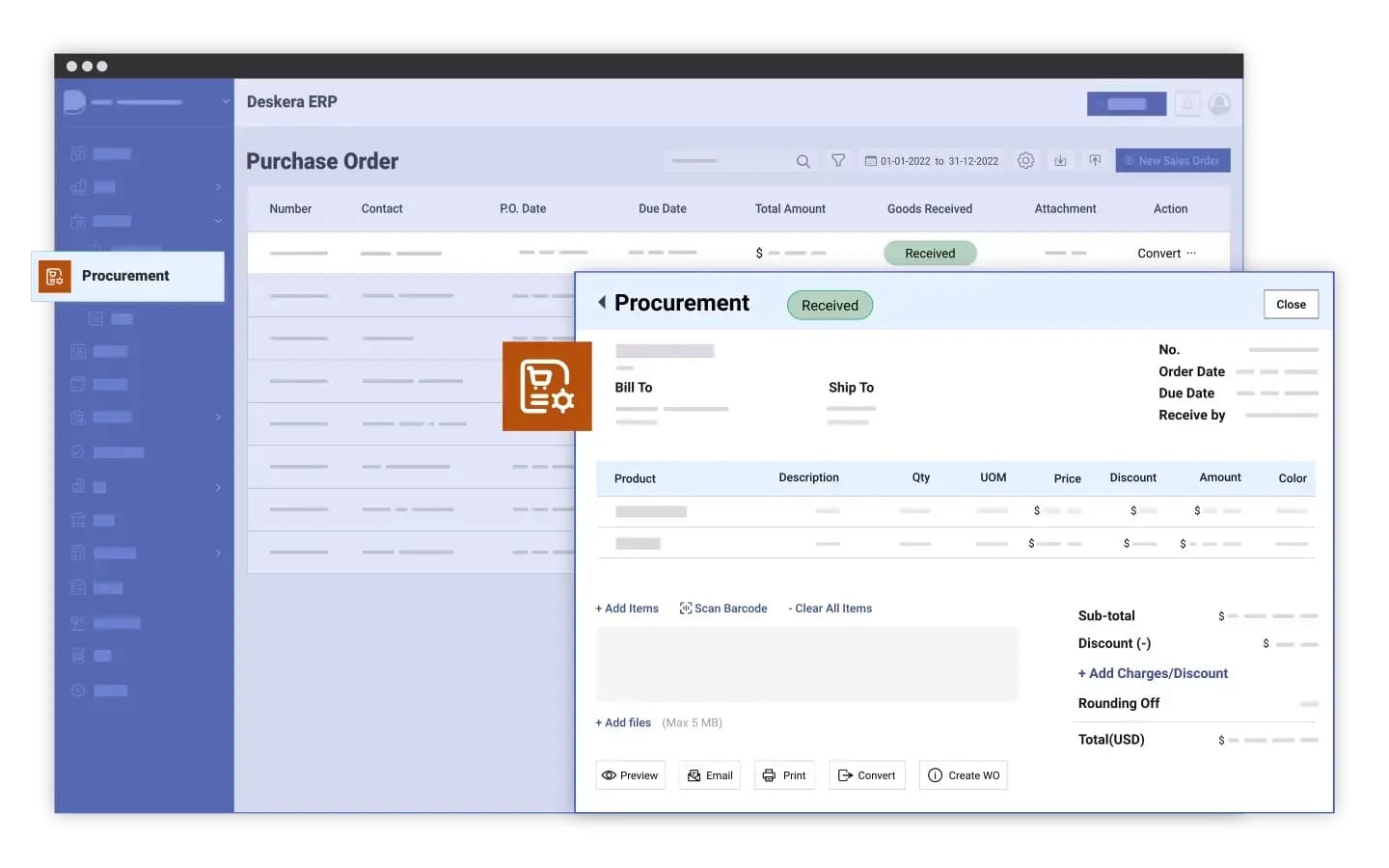
Implementing a successful Just in Time (JIT) supply chain strategy requires real-time visibility, accurate demand forecasting, efficient procurement processes, and seamless coordination across the entire supply chain. Managing these activities manually can lead to delays, inventory inaccuracies, and operational inefficiencies that directly impact JIT performance. This is where Deskera ERP helps businesses streamline operations and build a more agile, efficient, and data-driven supply chain ecosystem.
Real-Time Inventory Tracking
Deskera ERP provides real-time inventory visibility across warehouses, production facilities, and distribution centers. Businesses can monitor stock levels, inventory movement, and material availability instantly, helping prevent overstocking and stock shortages. Real-time tracking enables organizations to maintain lean inventory levels while ensuring materials are available exactly when needed for production or customer orders, which is essential for successful JIT operations.
Automated Procurement Management
JIT supply chains depend heavily on timely procurement and supplier coordination. Deskera ERP automates procurement workflows by generating purchase orders, tracking supplier deliveries, and monitoring replenishment requirements automatically. This reduces manual procurement delays and improves purchasing accuracy. Automated procurement processes also help businesses maintain optimal inventory levels and ensure that materials arrive according to production schedules.
Accurate Demand Forecasting and Planning
Demand forecasting is one of the most critical elements of JIT supply chain management. Deskera ERP helps businesses analyze historical sales data, inventory trends, seasonal demand patterns, and purchasing behavior to improve forecasting accuracy. Better forecasting allows organizations to align procurement and production activities with actual customer demand, reducing the risks of overproduction, stockouts, and unnecessary inventory carrying costs.
Production Planning and Scheduling
Deskera ERP supports efficient production planning by helping businesses schedule manufacturing activities based on material availability, customer demand, and production capacity. Production teams can optimize workflows, allocate resources effectively, and reduce manufacturing delays. Improved scheduling ensures smoother production cycles and minimizes downtime caused by inventory shortages or supply chain disruptions.
Supplier and Vendor Management
Strong supplier relationships are essential for maintaining uninterrupted JIT operations. Deskera ERP centralizes supplier and vendor information, making it easier to monitor supplier performance, delivery timelines, procurement history, and pricing details. Businesses can evaluate supplier reliability, improve communication, and strengthen vendor collaboration to ensure materials are delivered on time and according to quality standards.
Warehouse and Inventory Optimization
Efficient warehouse management is critical in JIT environments where inventory turnover is high and storage space is minimized. Deskera ERP helps businesses optimize warehouse operations through inventory categorization, stock movement tracking, barcode integration, and automated inventory updates. Improved warehouse visibility reduces handling inefficiencies, enhances inventory accuracy, and supports faster order fulfillment processes.
Real-Time Analytics and Reporting
Deskera ERP provides advanced analytics and customizable reporting tools that help businesses monitor supply chain performance and identify operational bottlenecks. Organizations can track important JIT KPIs such as inventory turnover ratio, lead times, order fulfillment rates, stockout frequency, and supplier delivery performance. Access to real-time insights enables faster decision-making and supports continuous supply chain improvement initiatives.
Improved Supply Chain Visibility
JIT supply chain strategies require complete visibility across procurement, production, inventory, and logistics operations. Deskera ERP integrates multiple business functions into a centralized platform, allowing businesses to access accurate real-time data from a single dashboard. Enhanced visibility improves coordination between departments, helps detect supply chain disruptions early, and enables faster responses to operational challenges.
Mobile Accessibility and Workflow Automation
Deskera ERP offers cloud-based accessibility and mobile capabilities that allow teams to manage supply chain operations remotely and in real time. Managers can monitor inventory levels, approve purchase orders, track deliveries, and review operational reports from any location. Workflow automation further reduces manual tasks, improves process consistency, and enhances operational efficiency across the supply chain.
Supports Scalable and Agile Supply Chain Operations
As businesses grow, managing complex supply chain activities becomes more challenging. Deskera ERP helps organizations scale their JIT operations efficiently by automating processes, improving coordination, and centralizing supply chain data. The platform supports agile business operations by enabling faster adaptation to changing customer demand, market trends, and supply chain disruptions while maintaining lean inventory practices.
Key Takeaways
- Just in Time (JIT) supply chain strategy helps businesses reduce inventory waste, lower storage costs, and improve operational efficiency by aligning inventory and production with real-time demand.
- JIT supply chain systems work through demand-driven inventory management, real-time procurement, supplier coordination, efficient production scheduling, and continuous inventory monitoring.
- Successful JIT implementation depends on key components such as accurate demand forecasting, reliable suppliers, efficient logistics, inventory visibility, ERP systems, and automation technologies.
- One of the biggest benefits of JIT supply chain strategy is reduced inventory holding costs, which helps businesses optimize working capital and improve cash flow management.
- JIT systems improve operational efficiency by streamlining procurement, production, warehouse management, and logistics processes while minimizing unnecessary inventory.
- Businesses implementing JIT can improve customer satisfaction through faster order fulfillment, better product availability, and quicker response to market demand changes.
- Despite its advantages, JIT supply chain strategy also carries risks such as supplier dependency, transportation delays, stockouts, and vulnerability to global supply chain disruptions.
- Industries such as manufacturing, automotive, electronics, retail, healthcare, and e-commerce benefit significantly from JIT due to their need for lean operations and efficient inventory management.
- Compared to traditional supply chain models, JIT focuses on lean inventory, lower costs, and operational agility, while traditional models prioritize inventory buffers and supply stability.
- Businesses can successfully implement JIT strategies by building strong supplier partnerships, improving demand forecasting, strengthening supply chain visibility, and optimizing transportation planning.
- Maintaining strategic safety stock and developing contingency plans can help businesses reduce operational risks associated with JIT inventory systems.
- Tracking KPIs such as inventory turnover ratio, stockout frequency, lead times, order fulfillment rates, and demand forecast accuracy is essential for measuring JIT supply chain performance.
- Modern technologies such as ERP software, AI-driven forecasting, IoT tracking, warehouse automation, and cloud-based supply chain platforms play a critical role in supporting efficient JIT operations.
- Future trends in JIT supply chain strategy include AI-powered demand forecasting, smart warehousing, hyperautomation, digital supply chain ecosystems, and real-time operational visibility.
- Deskera ERP helps optimize JIT supply chain strategy by providing real-time inventory tracking, automated procurement, demand forecasting, production planning, supplier management, and advanced analytics capabilities.
Related Articles
 Niti Samani
 Niti Samani
 Nalini
 Damini
 Niti Samani
 Niti Samani