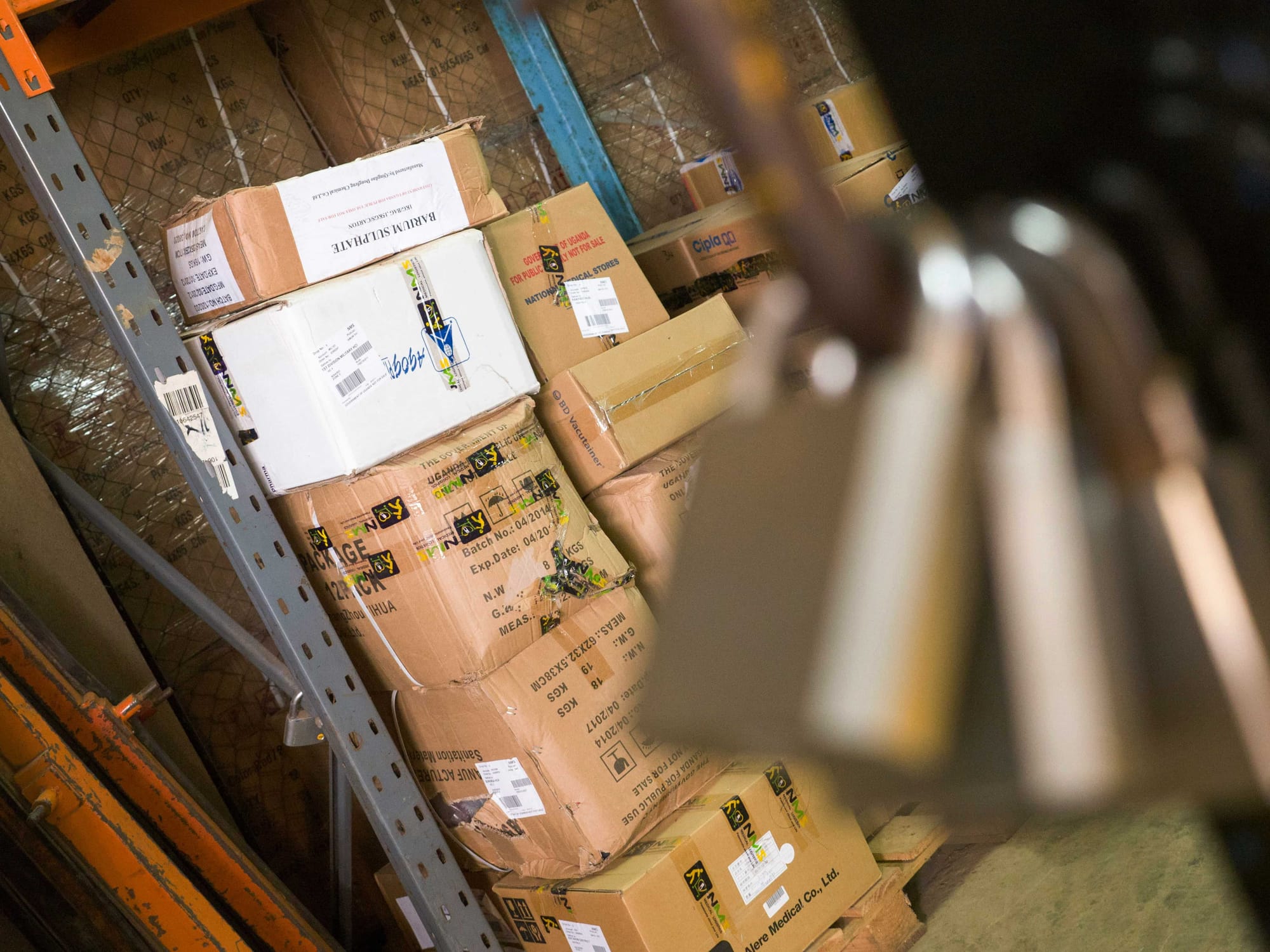


What ensures that businesses always have the right products available at the right time—without overstocking or running out? The answer lies in effective demand management. In today’s fast-paced and unpredictable market environment, understanding and managing customer demand is no longer optional; it is a strategic necessity. Companies that excel in demand management can anticipate customer needs, optimize inventory levels, and respond quickly to market changes.
Demand management is a critical component of supply chain management, focusing on forecasting, planning, and aligning demand with supply capabilities. It bridges the gap between what customers want and what a business can deliver, ensuring smooth coordination across procurement, production, and distribution. By integrating demand insights into supply chain operations, organizations can reduce inefficiencies, minimize costs, and improve overall operational performance.
The importance of demand management extends beyond operational efficiency. It directly impacts customer satisfaction, revenue growth, and profitability. Poor demand management can lead to stockouts, excess inventory, and lost sales opportunities, while a well-structured approach enables businesses to maintain optimal inventory levels and deliver consistent service. As markets become more dynamic, businesses must adopt data-driven strategies and agile processes to stay competitive.
Modern ERP solutions like Deskera ERP play a crucial role in simplifying and enhancing demand management. With features such as real-time data visibility, AI-powered demand forecasting, integrated inventory and production planning, and automated reporting, Deskera ERP enables businesses to make informed decisions with confidence. By centralizing data and streamlining processes, it helps organizations improve forecast accuracy, enhance collaboration, and build a more responsive and resilient supply chain.
What Is Demand Management?
Demand management is a strategic planning process that involves forecasting, analyzing, and managing customer demand for products or services. It focuses on understanding what customers need, when they need it, and how a business can effectively meet those needs. By aligning demand forecasts with production planning, inventory levels, and resource allocation, organizations can ensure they deliver the right products at the right time while minimizing waste and inefficiencies.
At its core, demand management acts as a bridge between the marketplace and internal business operations. It connects customer demand with key functions such as marketing, sales, inventory, and supply chain management. This cross-functional coordination helps businesses translate market signals—such as customer orders, inquiries, and trends—into actionable plans that guide procurement, production, and distribution activities.
Demand management goes beyond simple forecasting. It includes demand sensing, planning, and shaping, enabling businesses to respond dynamically to market fluctuations, seasonality, and unexpected disruptions. It also covers both external demand (customer orders, market demand) and internal demand (resource requirements, production needs, and project planning), ensuring that all organizational requirements are aligned with available capacity.
Ultimately, demand management ensures that businesses can balance supply with demand efficiently. By creating a structured approach to collecting, analyzing, and responding to demand signals, it helps organizations avoid bottlenecks, reduce excess inventory, improve customer satisfaction, and maintain a responsive and well-coordinated supply chain.
Key Objectives of Demand Management
Effective demand management is centered around aligning customer demand with business capabilities while maximizing efficiency and profitability. It enables organizations to make informed decisions, optimize resources, and deliver consistent value to customers.
By focusing on forecasting accuracy, operational efficiency, and customer satisfaction, demand management serves as a critical driver of supply chain performance and overall business success.
1. Improve Customer Satisfaction and Service Levels
One of the primary objectives of demand management is to understand customer needs and ensure timely fulfillment. By accurately anticipating demand, businesses can maintain optimal stock levels, reduce stockouts, and deliver products when and where customers need them, leading to improved service quality and stronger customer relationships.
2. Enhance Forecast Accuracy
Accurate demand forecasting is at the heart of effective demand management. By leveraging historical data, real-time insights, and market trends, businesses can predict future demand more reliably. Improved forecast accuracy supports better decision-making across production, procurement, and inventory planning.
3. Optimize Inventory and Reduce Costs
Demand management helps businesses strike the right balance between supply and demand, minimizing excess inventory and avoiding shortages. This reduces carrying costs, lowers the need for safety stock, and ensures efficient use of financial and operational resources.
4. Align Demand with Organizational Capacity
Another key objective is to ensure that demand plans are realistic and aligned with production capacity, workforce availability, and supply chain constraints. This prevents overloading resources or underutilizing capacity, leading to smoother operations and improved efficiency.
5. Support Better Planning and Decision-Making
Demand management provides a structured approach to analyzing demand signals and translating them into actionable plans. This enables business leaders to make strategic and operational decisions with greater confidence, improving coordination across departments.
6. Enable Demand Shaping and Market Responsiveness
Beyond forecasting, demand management also involves influencing demand through pricing strategies, promotions, and marketing initiatives. This helps businesses respond proactively to market changes, seasonality, and emerging trends.
7. Improve Product Planning and Innovation
By analyzing customer behavior and demand patterns, organizations can refine existing products and make informed decisions about new product development. This ensures that offerings are aligned with market needs and have a higher chance of success.
8. Maximize Profitability and Business Growth
Ultimately, demand management aims to drive revenue growth and maintain healthy profit margins. By optimizing inventory, reducing waste, and improving service levels, businesses can increase sales opportunities while controlling costs.
Demand Management vs Demand Planning vs Demand Forecasting vs Capacity Management vs Demand Generation
While these terms are often used interchangeably, they represent distinct yet interconnected functions within the broader supply chain and business strategy. Each plays a unique role in understanding, predicting, influencing, and fulfilling demand.
Together, they help organizations create a balanced, responsive, and efficient system that aligns customer needs with operational capabilities. Understanding the differences between these concepts is essential for building a well-coordinated demand-driven organization.
The table below highlights how each function differs in terms of purpose, scope, and business impact:
This distinction helps businesses clearly define roles, avoid overlap, and ensure each function contributes effectively to overall demand-driven decision-making.
Components of Demand Management
Effective demand management relies on a set of interconnected components that enable businesses to understand demand patterns, align operations, and respond proactively to market changes. These components work together to create a data-driven and flexible system that ensures the right balance between customer demand and organizational capacity.
Market Trends Analysis
Market trends analysis involves evaluating customer behavior, industry developments, and external factors such as economic conditions and competition. This component helps businesses anticipate shifts in demand before they occur.
By continuously monitoring market signals, organizations can reduce uncertainty, identify growth opportunities, and make proactive decisions that align their strategies with evolving customer expectations and market dynamics.
Demand Forecasting
Demand forecasting focuses on predicting future demand using historical data, statistical models, and real-time insights. It provides a foundation for planning production, procurement, and inventory.
Accurate forecasting reduces uncertainty and enables better decision-making. By combining past trends with current market signals, businesses can create more reliable projections and improve their ability to meet customer demand efficiently.
Demand Planning
Demand planning translates forecasts into actionable business strategies. It involves aligning expected demand with inventory levels, procurement schedules, and production plans.
This component ensures that businesses are prepared to meet demand without overstocking or understocking. Effective demand planning requires cross-functional collaboration and continuous updates to reflect changing market conditions and business priorities.
Demand Sensing
Demand sensing focuses on capturing real-time demand signals to identify short-term changes in customer behavior. It uses up-to-date data from sales channels, market activity, and external influences to refine forecasts.
This allows businesses to respond quickly to sudden demand fluctuations, reduce forecast errors, and maintain agility in fast-changing environments.
Demand Shaping
Demand shaping involves influencing customer demand through pricing strategies, promotions, and marketing campaigns. It helps businesses manage demand variability and align it with supply capabilities.
By strategically shaping demand, organizations can smooth out demand peaks and troughs, optimize inventory utilization, and improve overall profitability.
Capacity Planning
Capacity planning ensures that an organization has the necessary resources—such as production facilities, workforce, and technology—to meet forecasted demand.
It involves evaluating current capacity and identifying gaps between demand and supply capabilities. Proper capacity planning helps prevent bottlenecks, avoids underutilization, and ensures efficient use of resources.
Resource Allocation
Resource allocation focuses on distributing financial, human, and material resources effectively to meet demand requirements. It ensures that critical operations receive adequate support while minimizing waste.
By allocating resources based on demand priorities, businesses can improve operational efficiency, control costs, and maintain consistent performance across functions.
Supply Chain Coordination
Supply chain coordination involves collaboration between suppliers, manufacturers, distributors, and internal teams to ensure seamless demand fulfillment.
It ensures that demand signals are communicated accurately across the supply chain. Strong coordination improves responsiveness, reduces delays, and enhances the ability to deliver products on time while maintaining optimal inventory levels.
Process of Demand Management
The demand management process follows a structured and continuous approach that enables businesses to move from data analysis to execution and improvement.
This process ensures that demand is effectively forecasted, planned, and fulfilled while maintaining alignment with organizational goals and market conditions.
Data Collection and Modeling
The process begins with collecting historical sales data, customer insights, and external market information. This data is then analyzed and modeled to identify patterns, trends, and demand drivers.
Proper data preparation ensures that forecasts are based on accurate and relevant information, forming a strong foundation for all subsequent demand management activities.
Demand Forecasting
In this stage, businesses use data and predictive techniques to estimate future demand. Forecasting considers historical trends, seasonal variations, and external influences.
The goal is to generate reliable demand projections that support planning and decision-making. Continuous refinement of forecasting methods helps improve accuracy over time.
Demand Planning
Demand planning involves converting forecasts into actionable plans by aligning them with business objectives, inventory strategies, and operational capabilities. It requires collaboration between departments such as sales, marketing, and operations. This step ensures that the organization is prepared to meet expected demand efficiently and effectively.
Strategy Formulation and Alignment
At this stage, businesses develop demand strategies based on forecast insights and market conditions. This includes prioritizing products, setting targets, and aligning plans with organizational goals. Companies also evaluate resource availability and ensure that strategies are realistic and achievable within existing constraints.
Supply and Capacity Planning
This step focuses on aligning demand plans with supply capabilities. Businesses assess production capacity, workforce availability, and inventory levels to ensure they can meet demand. It helps identify potential gaps and enables organizations to take corrective actions, such as scaling resources or adjusting plans.
Execution and Implementation
Once plans are finalized, they are implemented across procurement, production, and distribution functions. Cross-functional coordination is essential to ensure smooth execution. Businesses must closely monitor operations during this stage to quickly address disruptions and maintain alignment with demand expectations.
Monitoring and Performance Evaluation
Organizations track key performance indicators such as forecast accuracy, service levels, and inventory turnover to evaluate the effectiveness of their demand management efforts. This step helps identify gaps between planned and actual outcomes, providing valuable insights for improvement.
Continuous Improvement
Demand management is an ongoing cycle that requires regular review and refinement. Businesses analyze performance data, update forecasts, and adjust strategies to adapt to changing market conditions. Continuous improvement ensures that demand management processes remain effective, agile, and aligned with long-term business goals.
Benefits of Demand Management
Effective demand management delivers both operational and strategic advantages by aligning customer demand with business capabilities. It enables organizations to move from reactive decision-making to proactive planning, improving efficiency, reducing costs, and enhancing customer satisfaction.
By leveraging accurate data and coordinated processes, businesses can build a more resilient and responsive supply chain.
Improved Customer Satisfaction and Service Levels
Demand management ensures that the right products are available at the right time, directly improving customer experience. By reducing stockouts and delays, businesses can meet customer expectations consistently.
This reliability builds trust, strengthens relationships, and increases customer retention by delivering faster, more efficient, and predictable service.
Enhanced Forecast Accuracy
One of the key benefits is improved demand forecasting accuracy through the use of historical data, real-time insights, and analytics. Better forecasts enable businesses to anticipate demand more precisely, reducing uncertainty.
This leads to more informed decision-making across production, inventory, and procurement, ultimately improving overall planning efficiency.
Reduced Costs and Waste
Accurate demand management helps minimize excess inventory, overproduction, and unnecessary storage costs. By aligning supply with actual demand, businesses can optimize inventory levels and reduce waste. This results in better cost control, improved cash flow, and more efficient use of financial and operational resources.
Optimized Inventory Management
Demand management enables businesses to maintain optimal inventory levels by balancing supply and demand effectively. It reduces the risks of overstocking and stockouts while improving inventory turnover. This ensures that capital is not tied up in unsold goods and that products are readily available when needed.
Better Operational Efficiency
By streamlining processes and aligning demand with operations, businesses can improve workflow efficiency. Demand management reduces bottlenecks, enhances coordination across departments, and ensures smoother execution of production and distribution activities, leading to more efficient day-to-day operations.
Stronger Supply Chain Performance
Demand management enhances supply chain coordination by ensuring that demand signals are accurately communicated across all stakeholders. This leads to better synchronization between procurement, production, and distribution, resulting in improved delivery performance and reduced disruptions.
Improved Resource and Workforce Planning
With better visibility into demand patterns, businesses can plan their workforce and resources more effectively. This helps ensure the right number of employees, materials, and equipment are available when needed, avoiding underutilization or overburdening of resources.
Greater Business Agility and Responsiveness
Demand management enables organizations to respond quickly to market changes, seasonal variations, and unexpected disruptions. By leveraging real-time data and flexible planning, businesses can adjust strategies proactively and maintain continuity even in dynamic environments.
Enhanced Decision-Making and Visibility
Centralized demand data provides better visibility into demand patterns, inventory levels, and supply chain performance. This allows leaders to make informed, data-driven decisions and prioritize initiatives that deliver the most value to the organization.
Competitive Advantage and Business Growth
Organizations with strong demand management capabilities can anticipate market trends, respond faster than competitors, and seize new opportunities. This agility not only improves market positioning but also drives revenue growth and long-term profitability.
Common Challenges in Demand Management
While demand management offers significant benefits, implementing it effectively is not without challenges. Many organizations struggle due to data limitations, lack of coordination, and rapidly changing market conditions.
Identifying these challenges early allows businesses to take corrective measures and build a more resilient and efficient demand management framework.
Inaccurate or Inadequate Data
Reliable demand management depends heavily on accurate and up-to-date data. However, many organizations rely on incomplete or outdated information, especially historical data that may not reflect current market realities.
Poor data quality can lead to inaccurate forecasts, inventory imbalances, and inefficient decision-making, ultimately affecting overall supply chain performance.
Forecasting Uncertainty
Demand forecasting is inherently uncertain, as it relies on assumptions and predictive models. Even with advanced analytics, unexpected market shifts, seasonality, or external disruptions can lead to forecast errors.
This uncertainty can result in overstocking, stockouts, or missed sales opportunities if not managed with flexible planning and scenario analysis.
Siloed Departments and Lack of Collaboration
Demand management requires strong coordination across sales, marketing, operations, and supply chain teams. When departments operate in silos, communication gaps and misaligned objectives can occur. This leads to inconsistent forecasts, duplication of efforts, and inefficient execution of demand plans.
Rapid Market Changes and Demand Volatility
Modern markets are highly dynamic, with frequent changes in customer preferences, economic conditions, and competitive landscapes. Businesses often struggle to keep up with sudden demand fluctuations. Without real-time data and agile processes, organizations may find it difficult to respond quickly and effectively.
Supply Chain Disruptions
External factors such as supplier delays, raw material shortages, and logistics issues can disrupt even the most well-planned demand strategies. Since these factors are often beyond a company’s control, they can create gaps between planned demand and actual supply, impacting service levels and customer satisfaction.
Lack of Advanced Tools and Technology
Manual processes and outdated systems make it difficult to track demand patterns, analyze data, and coordinate across functions. Without modern tools like automation, analytics, and integrated ERP systems, businesses may struggle to maintain accuracy, visibility, and efficiency in their demand management efforts.
Limited Skills and Expertise
Demand management requires expertise in data analysis, forecasting techniques, and supply chain coordination. Organizations that lack skilled professionals may face challenges in implementing effective strategies. Continuous training and the adoption of advanced tools are essential to bridge this gap.
Resistance to Change and Lack of Organizational Buy-In
Successful demand management requires commitment from leadership and alignment across the organization. Resistance to change, rigid management structures, or lack of executive support can hinder implementation. Without proper buy-in, processes may not be followed consistently, reducing effectiveness.
Difficulty in Balancing Demand and Capacity
Aligning demand with available resources is a complex task. Businesses often face challenges in matching production capacity, workforce, and inventory with fluctuating demand. Poor alignment can lead to overutilization, underutilization, or operational bottlenecks.
Inefficient Prioritization and Decision-Making
When multiple demands compete for limited resources, businesses may struggle to prioritize effectively. Without clear criteria and visibility into demand value, decisions may be reactive rather than strategic, leading to suboptimal resource allocation and missed opportunities.
Best Practices for Successful Demand Management
Implementing demand management effectively requires more than just tools and processes—it demands a strategic, consistent, and collaborative approach across the organization.
By following proven best practices, businesses can improve forecast accuracy, enhance operational efficiency, and build a more agile and responsive supply chain capable of adapting to changing market conditions.
Build a Demand-Driven Organizational Culture
Creating a culture that prioritizes demand management is essential for long-term success. Leadership must promote data-driven decision-making and emphasize the importance of aligning operations with customer demand.
Encouraging cross-functional collaboration and educating teams about their role in demand planning helps embed this mindset across the organization, ensuring consistent execution and accountability.
Standardize Demand Management Processes
Establishing a consistent and structured approach ensures repeatable and reliable outcomes. Standardized processes reduce variability, improve forecast accuracy, and streamline decision-making.
By maintaining a clear methodology for forecasting, planning, and execution, businesses can respond more effectively to market changes while ensuring all teams follow the same best practices.
Leverage Advanced Technology and Automation
Modern demand management relies on technologies such as AI, predictive analytics, and cloud-based platforms. These tools enhance forecasting accuracy, provide real-time insights, and automate routine tasks.
By leveraging technology, businesses can improve efficiency, reduce manual errors, and respond quickly to demand fluctuations in a dynamic market environment.
Use Data-Driven and Statistical Forecasting Methods
Relying on proven statistical models and data-driven techniques improves the reliability of demand forecasts. Businesses should combine historical data with real-time insights and external factors to create accurate projections. Continuously refining forecasting models ensures they remain relevant and aligned with changing market conditions.
Foster Cross-Functional Collaboration
Effective demand management requires seamless coordination between sales, marketing, finance, and supply chain teams. Regular communication, shared goals, and integrated systems help break down silos and ensure alignment. Collaboration improves forecast accuracy, enhances responsiveness, and ensures that demand plans are realistic and actionable.
Align Demand Planning with Business Objectives
Demand management should be closely linked to organizational goals and strategic priorities. By aligning demand plans with financial targets, growth strategies, and operational capabilities, businesses can ensure resources are allocated to high-impact areas, improving both efficiency and profitability.
Define Clear Planning Time Horizons
Different planning horizons serve different purposes. Short-term forecasts support immediate operational decisions, while long-term forecasts guide strategic initiatives. Clearly defining these timelines helps teams choose the right forecasting methods and respond appropriately to demand fluctuations.
Centralize and Integrate Demand Data
Having a single source of truth for demand data improves visibility and decision-making. Centralized data systems eliminate silos, ensure consistency, and enable real-time access to critical information. This integration supports better forecasting, planning, and coordination across the organization.
Develop Contingency Plans and Scenario Strategies
Uncertainty is inevitable in demand management, making contingency planning essential. Businesses should prepare for potential disruptions such as supply shortages or demand spikes by developing alternative strategies. Scenario planning allows organizations to respond quickly and maintain continuity during unexpected changes.
Continuously Monitor and Improve Processes
Demand management is not a one-time activity but an ongoing cycle. Regularly reviewing performance metrics, analyzing outcomes, and refining strategies helps improve accuracy and efficiency over time. Continuous improvement ensures that demand management processes remain adaptable, relevant, and aligned with business goals.
Key Metrics to Measure Demand Management Success
Measuring the effectiveness of demand management is essential to ensure that strategies are delivering the desired outcomes. By tracking the right key performance indicators (KPIs), businesses can evaluate forecast accuracy, operational efficiency, and customer satisfaction.
These metrics provide actionable insights that help organizations refine their demand management processes and drive continuous improvement.
Forecast Accuracy
Forecast accuracy measures how closely predicted demand aligns with actual demand. It is one of the most critical metrics, as it directly impacts inventory planning, production scheduling, and resource allocation. Higher accuracy indicates more reliable forecasting and better alignment between demand and supply.
Inventory Turnover
Inventory turnover evaluates how frequently inventory is sold and replaced over a specific period. A higher turnover rate indicates efficient inventory management and strong demand alignment, while a low rate may signal overstocking or slow-moving products.
Service Level (Fill Rate)
The service level, often measured as the fill rate, indicates the percentage of customer demand fulfilled without delays or stockouts. A high service level reflects effective demand planning and strong supply chain performance, ensuring customer satisfaction.
Stockout Rate
Stockout rate measures how often products are unavailable when customers want to purchase them. Frequent stockouts indicate poor demand forecasting or inventory planning, which can lead to lost sales and reduced customer trust.
Demand Variability
Demand variability tracks fluctuations in customer demand over time. Understanding variability helps businesses prepare for demand spikes or declines, enabling better planning and more flexible operations.
Order Fulfillment Cycle Time
This metric measures the time taken from receiving a customer order to delivering the product. Shorter cycle times indicate efficient coordination between demand planning, inventory, and logistics, improving customer experience.
Inventory Carrying Cost
Inventory carrying cost includes expenses related to storing, handling, and maintaining inventory. Monitoring this metric helps businesses identify inefficiencies and reduce unnecessary costs associated with excess stock.
Perfect Order Rate
The perfect order rate measures the percentage of orders delivered on time, in full, and without errors. It reflects overall operational excellence and the effectiveness of demand management in ensuring seamless order fulfillment.
Capacity Utilization
Capacity utilization assesses how effectively a company uses its production and operational resources. Balanced utilization indicates proper alignment between demand and capacity, avoiding both underutilization and overloading.
Demand Plan Adherence
This metric evaluates how closely actual operations follow the demand plan. High adherence indicates strong execution and coordination across teams, while deviations may highlight gaps in planning or unforeseen disruptions.
Tracking these metrics enables businesses to gain a comprehensive view of their demand management performance. By continuously analyzing and optimizing these KPIs, organizations can improve forecast accuracy, enhance efficiency, and build a more responsive and customer-centric supply chain.
How Deskera ERP Helps in Demand Management
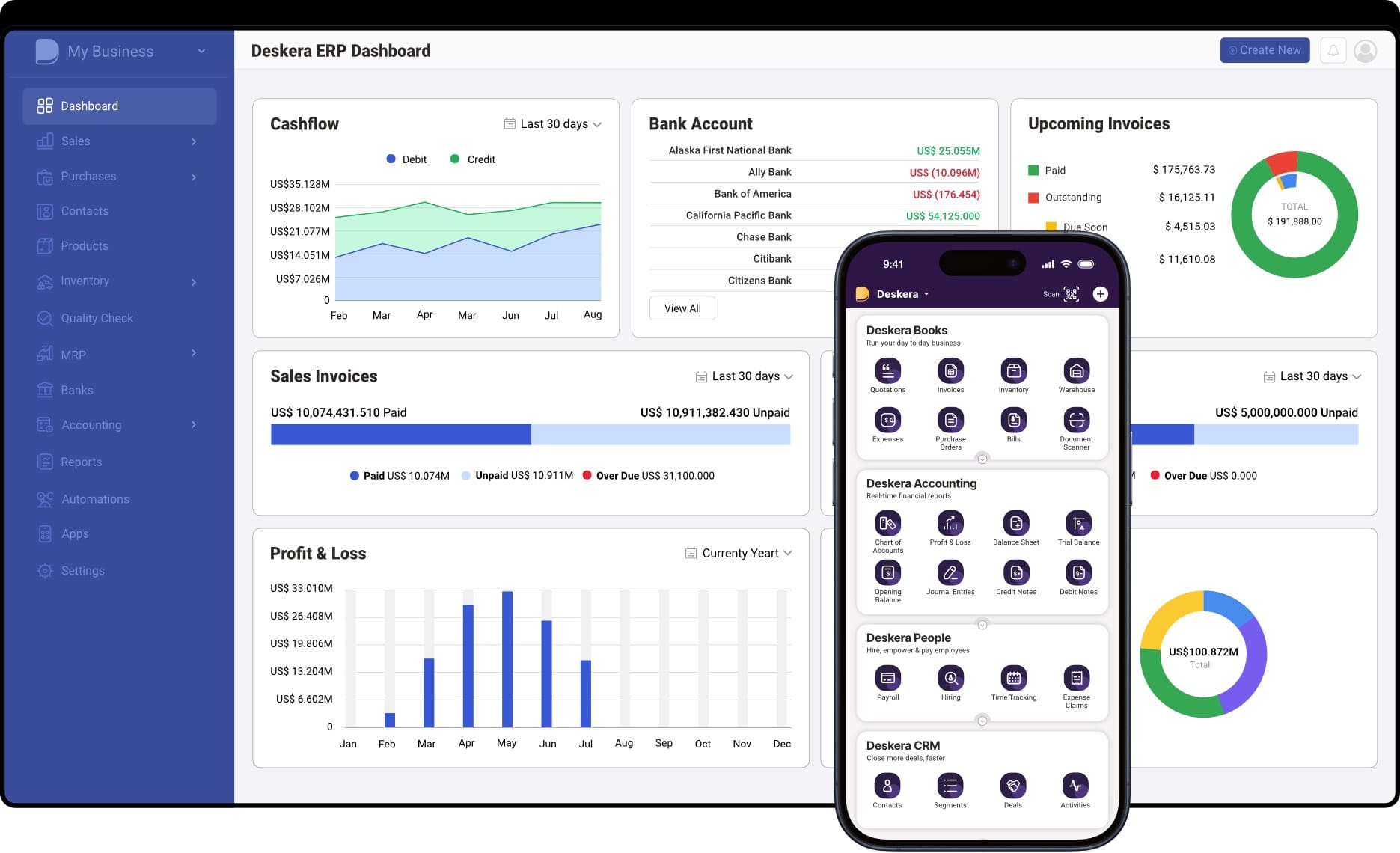
Modern demand management requires real-time data, cross-functional coordination, and advanced analytics—capabilities that traditional systems often lack. Deskera ERP addresses these challenges by providing an integrated, data-driven platform that connects demand signals with supply chain execution. It enables businesses to improve forecasting accuracy, optimize inventory, and respond quickly to changing market conditions.
Real-Time Data Visibility and Insights
Deskera ERP provides real-time visibility into inventory, sales, and operational data, enabling businesses to monitor demand patterns as they evolve. With centralized dashboards and reporting tools, decision-makers can quickly identify trends, track performance, and make informed decisions to align demand with supply more effectively.
AI-Powered Demand Forecasting
The platform leverages predictive analytics and AI-driven insights to improve demand forecasting accuracy. By analyzing historical data, market trends, and real-time inputs, Deskera ERP helps businesses anticipate demand fluctuations and plan accordingly, reducing the risk of stockouts and excess inventory.
Integrated Inventory and Supply Chain Management
Deskera ERP seamlessly integrates inventory, procurement, and warehouse management, ensuring that demand signals are directly linked to supply chain activities. Real-time inventory tracking and automated replenishment help maintain optimal stock levels, improving efficiency and reducing carrying costs.
Production and Capacity Planning Optimization
With built-in production planning and material requirements planning (MRP) capabilities, Deskera ERP enables businesses to align production schedules with forecasted demand. It helps allocate resources efficiently, manage production workflows, and ensure that capacity is utilized effectively without overloading operations.
Automation of Demand Management Processes
Deskera ERP automates repetitive tasks such as order processing, inventory updates, and reporting. This reduces manual errors, improves data accuracy, and speeds up decision-making. Automation also ensures that demand management processes are consistent and scalable across the organization.
Enhanced Cross-Functional Collaboration
The platform connects departments such as sales, marketing, finance, and operations through a unified system. This eliminates data silos and ensures that all teams work with the same information, improving coordination and enabling more accurate demand planning and execution.
Advanced Reporting and Business Intelligence
Deskera ERP offers robust analytics and reporting tools that help track key demand management metrics such as forecast accuracy, inventory turnover, and service levels. These insights support continuous improvement and allow businesses to refine their demand strategies over time.
Scalability and Flexibility for Growing Businesses
As businesses grow and demand patterns become more complex, Deskera ERP provides the scalability needed to handle increasing data volumes and operational complexity. Its cloud-based architecture ensures flexibility, enabling organizations to adapt quickly to market changes and evolving business needs.
By combining real-time visibility, AI-driven forecasting, automation, and integrated supply chain management, Deskera ERP empowers businesses to build a more accurate, agile, and efficient demand management process.
Key Takeaways
- Demand management is a strategic process that aligns customer demand with business capabilities to ensure efficient operations and improved service delivery.
- Understanding the difference between demand management, demand planning, forecasting, capacity management, and demand generation helps businesses clearly define roles and improve coordination across functions.
- The importance of demand management lies in its ability to balance supply and demand, reduce costs, and enhance customer satisfaction while supporting overall business performance.
- Key components such as forecasting, demand sensing, capacity planning, and supply chain coordination work together to create a responsive and data-driven demand management system.
- A structured demand management process—from data collection to continuous improvement—ensures accurate planning, effective execution, and ongoing optimization.
- Implementing best practices like standardization, cross-functional collaboration, and leveraging advanced technology improves accuracy, efficiency, and agility in demand management.
- The benefits of demand management include better forecast accuracy, optimized inventory, reduced costs, improved customer experience, and stronger supply chain performance.
- Common challenges such as poor data quality, siloed teams, forecasting uncertainty, and supply chain disruptions can hinder effectiveness if not addressed proactively.
- Tracking key metrics like forecast accuracy, inventory turnover, service levels, and stockout rates helps measure performance and drive continuous improvement.
- Deskera ERP enhances demand management by providing real-time visibility, AI-driven forecasting, automation, and integrated supply chain capabilities for better decision-making and efficiency.
Related Articles
 Niti Samani
 Niti Samani
 Niti Samani
 Niti Samani
 Niti Samani
 Niti Samani