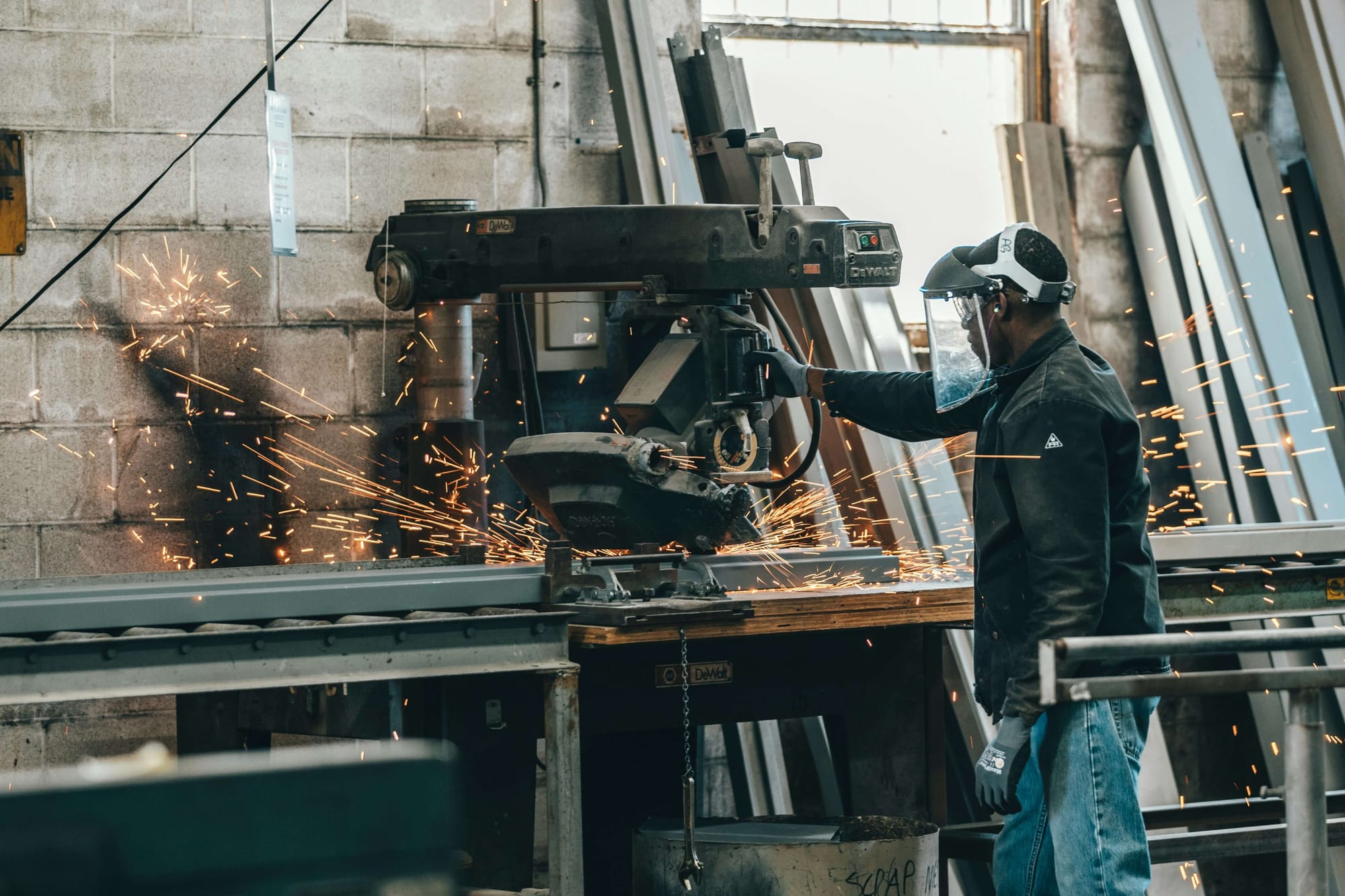

What if you could significantly increase your manufacturing output and profitability without adding new resources or expanding your production capacity? The answer lies in yield improvement—a strategic approach that focuses on maximizing output from existing inputs by reducing waste, minimizing defects, and optimizing processes.
In today’s highly competitive manufacturing landscape, even small inefficiencies can lead to substantial losses over time. Poor yield not only increases material costs but also results in rework, production delays, and inconsistent product quality. As manufacturers face rising input costs and growing customer expectations, improving yield has become a critical priority for sustaining profitability and operational excellence.
However, achieving consistent yield improvement is easier said than done. Challenges such as inaccurate demand forecasting, inefficient production planning, lack of real-time visibility, and poor inventory control often stand in the way. Without the right systems in place, manufacturers struggle to identify bottlenecks, track performance, and make data-driven decisions that drive continuous improvement.
This is where modern solutions like Deskera MRP come into play. Deskera MRP helps manufacturers streamline production planning, optimize inventory levels, and gain real-time visibility into operations. With features such as automated scheduling, accurate demand forecasting, and advanced reporting, it enables businesses to identify inefficiencies, reduce waste, and consistently improve yield. By integrating key processes into a unified platform, Deskera empowers manufacturers to make smarter decisions and drive sustainable growth.
What is Manufacturing Yield?
Manufacturing yield refers to the percentage of usable, defect-free products produced from the total input materials during a manufacturing process. In simple terms, it measures how efficiently raw materials are converted into finished goods.
It is typically calculated as:
Manufacturing Yield = (Good Output ÷ Total Input) × 100
For example, if you start with 1,000 units of raw material and produce 900 defect-free products, your yield is 90%. The remaining 10% represents losses due to defects, waste, or inefficiencies.
Manufacturing yield is a critical performance indicator because it directly reflects production efficiency, product quality, and cost control. A higher yield means less waste, fewer defects, and better utilization of resources, while a lower yield signals issues in processes, materials, or production planning.
Manufacturers often track different types of yield, such as:
- First-Pass Yield (FPY): Products that meet quality standards without rework
- Final Yield: Total good products after rework and corrections
- Rolled Throughput Yield (RTY): Probability that a product passes through all stages without defects
Improving manufacturing yield is essential for reducing costs, increasing profitability, and maintaining consistent product quality.
Why Yield Improvement is Critical for Manufacturing
In today’s competitive manufacturing environment, improving yield is not just about reducing waste—it’s about unlocking greater efficiency, profitability, and product consistency.
Even small improvements in yield can lead to significant cost savings and better resource utilization over time.
As manufacturers face increasing pressure to deliver high-quality products at lower costs, yield improvement becomes a key driver of operational success.
Reducing Material Waste
Material waste is one of the biggest contributors to rising production costs in manufacturing. Low yield often leads to excessive scrap, rejected components, and inefficient use of raw materials, all of which directly impact profitability.
By focusing on yield improvement, manufacturers can optimize material consumption, reduce unnecessary losses, and ensure that a higher percentage of input materials is converted into saleable output, ultimately improving cost efficiency and sustainability.
Enhancing Product Quality
Improving yield plays a vital role in maintaining consistent product quality across manufacturing processes. When defects are minimized and processes are better controlled, more products meet quality standards during the first production cycle.
This reduces the need for rework and inspections while ensuring reliability in output. As a result, businesses can enhance customer satisfaction, reduce returns, and build a stronger brand reputation in increasingly competitive markets.
Increasing Operational Efficiency
Yield improvement helps manufacturers streamline operations by reducing inefficiencies, downtime, and production bottlenecks. When fewer defects occur, machines and labor can function more smoothly without frequent interruptions for rework or corrections.
This leads to better utilization of resources and improved workflow across the production line. Over time, enhanced efficiency contributes to faster production cycles, improved throughput, and the ability to meet demand more consistently.
Improving Profit Margins
Profitability in manufacturing is closely tied to how effectively resources are used, and yield plays a central role in this equation. Higher yield means more finished goods are produced from the same level of input, reducing the cost per unit.
By minimizing waste, rework, and inefficiencies, manufacturers can significantly lower operational expenses while increasing output value, ultimately leading to stronger profit margins and improved financial performance.
Strengthening Competitive Advantage
Manufacturers that consistently achieve high yield levels are better positioned to compete in today’s dynamic market landscape. Improved yield enables faster production, lower costs, and more reliable product quality, all of which are critical for meeting customer expectations.
This operational excellence allows businesses to respond quickly to market changes, scale production efficiently, and differentiate themselves from competitors, creating a sustainable advantage in the long run.
The Impact of Yield Improvement on Manufacturing Costs
The correlation between yield improvement and cost reduction in manufacturing is undeniable. As yield increases, manufacturers are able to produce more usable output from the same level of input, significantly lowering overall production costs.
This not only enhances profitability but also strengthens a company’s ability to compete in a cost-sensitive market. By focusing on yield improvement, businesses can unlock multiple cost-saving opportunities across their operations.
Reduced Material Waste
Improving yield directly reduces the amount of raw material lost during production. When fewer defects and errors occur, more input materials are converted into saleable products instead of scrap.
This leads to a significant reduction in material costs, especially in industries where raw materials represent a large portion of total expenses. Over time, even small improvements in yield can result in substantial cost savings and better resource utilization.
Decreased Energy Consumption
Efficient production processes that support higher yield typically consume less energy. When machines operate smoothly with fewer interruptions, defects, and rework cycles, energy usage becomes more optimized.
Reduced energy consumption not only lowers utility bills but also contributes to sustainable manufacturing practices. This dual benefit of cost savings and environmental responsibility makes yield improvement a strategic priority for modern manufacturers.
Labor Optimization
Higher yield means fewer defective products and less need for rework, which allows labor resources to be utilized more effectively. Instead of spending time correcting errors, employees can focus on value-added activities that enhance productivity.
This leads to improved workforce efficiency and can reduce overall labor costs. Optimized labor allocation also helps manufacturers maintain consistent output without increasing headcount.
Improved Inventory Management
Yield improvement enables more accurate production planning, which directly impacts inventory management. With better predictability in output, manufacturers can maintain optimal inventory levels, avoiding excess stock or shortages.
This reduces carrying costs, minimizes the risk of obsolescence, and improves cash flow. Efficient inventory management ensures that resources are used effectively without tying up unnecessary capital in stock.
Enhanced Equipment Efficiency
Focusing on yield often requires maintaining and optimizing equipment performance. Well-maintained machines operate more efficiently, produce fewer defects, and experience less downtime.
This extends equipment lifespan and reduces the need for frequent repairs or replacements. As a result, manufacturers can lower maintenance costs while ensuring consistent production quality and output.
Lower Quality Assurance Costs
When yield improves and defects decrease, the need for extensive quality checks and inspections is significantly reduced. Streamlined quality assurance processes save both time and money, as fewer resources are required to identify and fix issues. This not only lowers operational costs but also speeds up production cycles, allowing manufacturers to deliver products faster without compromising on quality.
Sustainability and Waste Reduction
Yield improvement plays a key role in promoting sustainable manufacturing practices. By minimizing waste and optimizing resource usage, manufacturers can reduce their environmental footprint and comply with regulatory requirements.
Efficient use of materials and energy not only lowers costs but also enhances brand reputation. Sustainability-driven cost savings further reinforce the long-term value of yield improvement initiatives.
Interconnection Between Quality and Yield Improvement in Manufacturing
Quality and yield improvement are deeply interconnected in manufacturing, forming a mutually reinforcing cycle that drives operational excellence. While yield focuses on maximizing defect-free output, quality ensures that products consistently meet predefined standards.
Improving yield is not just about efficiency—it reflects a strong commitment to delivering high-quality products. Together, they enable manufacturers to reduce costs, enhance customer satisfaction, and build long-term competitiveness.
Consistency in Product Output
A higher manufacturing yield indicates that a larger proportion of products consistently meet quality standards. This consistency is essential for building customer trust and maintaining a strong brand reputation.
When customers receive reliable, defect-free products every time, it enhances their confidence in the manufacturer. Consistent output is especially critical in industries such as automotive, pharmaceuticals, and electronics, where even minor quality variations can have significant consequences.
Lower Defect Rates
As yield improves, the number of defective products naturally decreases. This reduction in defects leads to fewer customer complaints, returns, and warranty claims, all of which can be costly and damaging to brand reputation.
Lower defect rates not only improve operational efficiency but also strengthen customer loyalty. Manufacturers that consistently deliver high-quality, defect-free products are more likely to retain customers and gain a competitive edge in the market.
Better Process Control
Yield improvement requires tighter control over manufacturing processes, which directly enhances product quality. By closely monitoring production variables and ensuring they remain within specified limits, manufacturers can reduce variability and prevent defects.
Improved process control enables early detection of issues and ensures consistent production conditions. This level of precision is crucial in maintaining both high yield and high-quality standards across all stages of manufacturing.
Culture of Continuous Improvement
Focusing on yield improvement encourages a culture of continuous improvement within the organization. Teams become more proactive in identifying inefficiencies and addressing quality issues before they escalate.
This mindset promotes innovation, accountability, and ongoing optimization of processes. As employees actively work toward improving yield, they also contribute to enhancing product quality, ensuring that manufacturing operations evolve to meet higher standards over time.
Strengthened Brand Reputation and Customer Trust
The combined impact of improved yield and quality leads to a stronger brand reputation in the market. Consistently delivering high-quality products with minimal defects builds customer trust and credibility.
This reliability not only attracts new customers but also fosters long-term relationships. In competitive industries, the ability to maintain both high yield and superior quality becomes a key differentiator that supports sustainable growth and business success.
Common Challenges in Achieving Yield Improvement
While yield improvement is essential for enhancing efficiency and profitability, many manufacturers face persistent challenges in achieving consistent results. These obstacles often stem from gaps in planning, lack of visibility, and inefficient processes.
Without addressing these underlying issues, even well-intended improvement initiatives can fall short, leading to continued waste, defects, and operational inefficiencies.
Inaccurate Demand Forecasting
Inaccurate demand forecasting can significantly impact yield by creating mismatches between production and actual market needs.
Overestimating demand may lead to overproduction, excess inventory, and material wastage, while underestimating demand can result in rushed production and increased defects.
Without reliable forecasting, manufacturers struggle to plan resources effectively, causing inefficiencies across the production cycle and ultimately reducing overall yield and operational performance.
Poor Inventory Management
Inefficient inventory management often leads to stock imbalances, including excess inventory or material shortages, both of which negatively affect yield. Overstocking can result in material degradation or obsolescence, while shortages may disrupt production schedules and force the use of suboptimal substitutes.
Without proper tracking and control, manufacturers may experience increased waste, production delays, and inconsistencies, all of which contribute to lower yield and higher operational costs.
Lack of Real-Time Production Visibility
Limited visibility into production processes makes it difficult for manufacturers to identify issues as they occur. Without real-time insights, problems such as machine inefficiencies, quality defects, or process deviations may go unnoticed until they escalate.
This delay in detection leads to higher scrap rates and rework. Real-time monitoring is essential for maintaining control over operations and ensuring timely corrective actions that support consistent yield improvement.
Inefficient Production Planning
Poor production planning can create bottlenecks, idle time, and resource misallocation, all of which reduce overall yield. When production schedules are not optimized, machines and labor may not be utilized effectively, leading to delays and increased chances of defects.
Inefficient planning also makes it difficult to maintain consistent workflows, resulting in disruptions that impact output quality and efficiency across the manufacturing process.
Manual Data Errors and Process Gaps
Reliance on manual processes and disconnected systems increases the likelihood of data inaccuracies and operational gaps. Errors in recording production data, inventory levels, or quality metrics can lead to poor decision-making and inefficiencies.
These inconsistencies make it challenging to track performance accurately and identify areas for improvement. Automating data collection and integrating processes are essential steps toward reducing errors and achieving sustainable yield improvement.
How MRP Systems Drive Yield Improvement in Manufacturing
MRP (Material Requirements Planning) systems play a crucial role in improving manufacturing yield by aligning materials, production schedules, and operational processes.
By providing real-time visibility and data-driven insights, MRP systems help manufacturers minimize waste, reduce defects, and optimize resource utilization. This integrated approach ensures that production runs smoothly, enabling consistent output quality and higher yield across the manufacturing lifecycle.
Accurate Material Planning
MRP systems ensure that the right materials are available in the right quantities at the right time. This prevents issues such as material shortages or excess inventory, both of which can negatively impact yield.
By maintaining optimal material availability, manufacturers can avoid production disruptions and reduce the likelihood of using substandard substitutes, ultimately improving product quality and minimizing waste.
Optimized Production Scheduling
Effective production scheduling is essential for maintaining a steady workflow and reducing inefficiencies. MRP systems help create optimized production plans based on demand forecasts, resource availability, and production capacity.
This minimizes bottlenecks, reduces idle time, and ensures better coordination across operations. As a result, manufacturers can achieve smoother production cycles with fewer errors, contributing to improved yield.
Real-Time Production Monitoring
MRP systems provide real-time visibility into production activities, enabling manufacturers to track progress and identify issues as they occur. This immediate insight allows teams to take corrective action before problems escalate into major defects or losses.
Real-time monitoring helps maintain process consistency, reduces downtime, and ensures that production stays aligned with quality standards, all of which support higher yield.
Improved Quality Control
By integrating quality management processes, MRP systems help track defects, monitor quality metrics, and enforce standardized procedures.
This ensures that quality checks are conducted at every stage of production, reducing the chances of defective output.
Improved quality control leads to fewer rework cycles and higher first-pass yield, allowing manufacturers to produce more saleable goods with minimal waste.
Data-Driven Decision Making
MRP systems collect and analyze large volumes of production data, providing actionable insights for continuous improvement. Manufacturers can identify trends, pinpoint inefficiencies, and make informed decisions to optimize processes.
This data-driven approach helps reduce variability, improve accuracy in planning, and enhance overall operational performance, ultimately driving sustainable yield improvement.
Strategies for Yield Improvement in Manufacturing
Achieving consistent yield improvement requires more than just implementing an MRP system—it demands a combination of optimized processes, data-driven decision-making, and continuous monitoring.
While MRP systems provide the foundation for planning and visibility, manufacturers must adopt the right operational strategies to fully realize their potential.
By aligning production, quality, and maintenance practices with MRP-driven insights, businesses can significantly enhance yield and overall efficiency.
Root Cause Analysis and Defect Reduction
Identifying the root causes of defects is critical to improving yield. By leveraging data analytics and MRP-generated insights, manufacturers can pinpoint inefficiencies, process deviations, and bottlenecks.
Addressing these issues at their source prevents recurring defects and reduces rework. Over time, this proactive approach leads to more stable production processes, improved first-pass yield, and better overall product quality.
Process Parameter Stabilization
Maintaining tight control over critical process parameters such as temperature, pressure, and machine speed is essential for consistent output. Variations in these parameters often lead to defects and inconsistencies. MRP systems, when integrated with production monitoring tools, help ensure that processes remain within defined limits. Stable processes reduce variability, improve product quality, and contribute directly to higher manufacturing yield.
Lean Manufacturing and Quality Practices
Implementing lean methodologies such as Kaizen, 5S, and Six Sigma helps eliminate waste and reduce process variation. These practices focus on continuous improvement, standardized workflows, and efficient resource utilization.
When combined with MRP systems, lean strategies enable better coordination and visibility across operations, resulting in fewer defects, optimized processes, and sustained yield improvement.
Preventive and Predictive Maintenance
Equipment reliability plays a major role in determining manufacturing yield. Unplanned downtime and machine inefficiencies often lead to defects and production losses.
By adopting preventive and predictive maintenance strategies, manufacturers can ensure that equipment operates at optimal performance levels. MRP systems support maintenance scheduling and tracking, helping reduce breakdowns and maintain consistent production quality.
Real-Time Monitoring and Smart Technologies
Real-time monitoring using IoT and AI-driven tools allows manufacturers to track production performance and detect issues instantly. This immediate visibility enables quick corrective actions, preventing minor deviations from escalating into major defects.
When integrated with MRP systems, these technologies provide a comprehensive view of operations, enabling faster decision-making and continuous yield improvement.
Standardization of Production Processes
Standardizing workflows, material usage, and operating procedures minimizes variability and ensures consistent output quality. Clearly defined processes make it easier to detect deviations and implement corrective measures quickly.
MRP systems reinforce standardization by ensuring accurate planning and execution. This consistency leads to improved first-pass yield and more predictable production outcomes.
Data-Driven Continuous Improvement
Sustainable yield improvement requires ongoing evaluation and optimization of processes. By analyzing production data, identifying trends, and implementing targeted improvements, manufacturers can continuously enhance performance.
MRP systems provide actionable insights that support data-driven decision-making. This continuous improvement approach helps reduce inefficiencies, improve quality, and maintain high yield levels over time.
Key Metrics to Track for Yield Improvement
Tracking the right metrics is essential for measuring, managing, and continuously improving manufacturing yield. These metrics provide valuable insights into production efficiency, quality performance, and process effectiveness.
By leveraging data from MRP systems, manufacturers can monitor these key indicators in real time, identify inefficiencies, and take corrective actions to drive consistent yield improvement.
First-Pass Yield (FPY)
First-Pass Yield measures the percentage of products that meet quality standards without requiring any rework or corrections. It is a critical indicator of process efficiency and product quality.
A high FPY means that production processes are well-controlled and defects are minimal. Improving FPY reduces rework costs, shortens production cycles, and directly contributes to higher overall yield.
Rolled Throughput Yield (RTY)
Rolled Throughput Yield evaluates the probability that a product passes through all stages of production without defects. Unlike FPY, which focuses on individual stages, RTY provides a holistic view of the entire production process.
It helps manufacturers identify weak points across multiple stages and understand cumulative inefficiencies that impact overall yield and product quality.
Scrap Rate
Scrap rate measures the percentage of materials that are discarded during production due to defects or inefficiencies. A high scrap rate indicates poor material utilization and process issues that negatively affect yield.
Monitoring scrap rate helps manufacturers identify waste sources, implement corrective actions, and optimize material usage to improve cost efficiency and production output.
Rework Rate
Rework rate tracks the percentage of products that require additional processing to meet quality standards. High rework rates increase labor costs, delay production, and reduce overall efficiency.
By analyzing rework data, manufacturers can identify recurring quality issues and improve processes to reduce the need for corrections, thereby enhancing yield and productivity.
Overall Equipment Effectiveness (OEE)
OEE measures the efficiency of manufacturing equipment based on availability, performance, and quality. It provides a comprehensive view of how effectively machines are being utilized.
Low OEE can indicate downtime, slow production speeds, or quality issues, all of which impact yield. Improving OEE helps ensure smoother operations and higher production output.
Production Efficiency
Production efficiency compares actual output to the expected or planned output. It helps manufacturers understand how well their resources are being utilized. Low efficiency often points to process inefficiencies, delays, or quality issues. By improving production efficiency, manufacturers can maximize output, reduce waste, and achieve better yield.
Defect Rate
Defect rate measures the percentage of products that fail to meet quality standards. It is a direct indicator of production quality and process stability.
A high defect rate leads to increased scrap, rework, and customer dissatisfaction. Monitoring and reducing defect rates is essential for maintaining high yield and ensuring consistent product quality.
Key Features to Look for in an MRP System for Yield Improvement
Selecting the right MRP system is crucial for achieving consistent yield improvement in manufacturing. A well-equipped system not only streamlines production but also minimizes waste, reduces defects, and enhances overall efficiency.
To truly support yield improvement, an MRP system must offer a combination of planning, monitoring, and analytical capabilities that enable manufacturers to make informed, real-time decisions.
Demand Forecasting and Planning Tools
Accurate demand forecasting is essential for aligning production with actual market needs. MRP systems use historical data and real-time inputs to predict demand and plan production accordingly.
This prevents overproduction and underproduction, both of which negatively impact yield. By ensuring the right quantities are produced at the right time, forecasting tools help reduce waste, optimize resources, and maintain consistent production flow.
Inventory Optimization Capabilities
Effective inventory management ensures that materials are available when needed without excess stock buildup. MRP systems track inventory levels in real time and automatically trigger replenishment when required.
This prevents material shortages that disrupt production and avoids overstocking that leads to waste or obsolescence. Optimized inventory levels contribute directly to improved yield by supporting uninterrupted and efficient manufacturing processes.
Production Planning and Scheduling
A strong MRP system provides detailed production schedules based on demand, resource availability, and capacity constraints. This helps eliminate bottlenecks, reduce downtime, and ensure smooth workflow across the production line.
Efficient scheduling ensures that machines and labor are utilized effectively, minimizing errors and delays. As a result, manufacturers can maintain consistent output quality and achieve higher yield.
Bill of Materials (BOM) Management
BOM management is a foundational feature of any MRP system, providing a detailed breakdown of all components required for production. Accurate BOM data ensures that the correct materials and quantities are used, reducing the risk of errors and defects. With better control over components and assembly processes, manufacturers can minimize rework and improve first-pass yield.
Real-Time Production Tracking and Visibility
Real-time tracking enables manufacturers to monitor production activities as they happen. This visibility helps quickly identify inefficiencies, defects, or deviations from planned processes. Immediate insights allow for faster corrective actions, preventing minor issues from escalating into major losses. Real-time data is critical for maintaining process consistency and improving yield over time.
Quality Management Integration
An effective MRP system integrates quality control processes into every stage of production. It enables tracking of defects, root cause analysis, and enforcement of quality standards. By identifying issues early and reducing variability in production, quality management features help increase first-pass yield and reduce rework costs, ultimately improving overall manufacturing efficiency.
Advanced Analytics and Reporting
Data-driven insights are essential for continuous yield improvement. MRP systems provide detailed reports on production performance, material usage, and defect rates. These analytics help manufacturers identify trends, uncover inefficiencies, and make informed decisions to optimize operations. With better visibility into key metrics, businesses can implement targeted improvements that enhance yield and reduce costs.
Automation and Process Integration
Modern MRP systems automate repetitive tasks such as order generation, scheduling, and inventory updates. Automation reduces manual errors and ensures seamless coordination across departments. By integrating various manufacturing processes into a single system, MRP enhances communication, improves accuracy, and supports a more efficient production environment—ultimately driving better yield outcomes.
How Deskera MRP Helps Improve Yield in Manufacturing

Modern manufacturing demands precision, efficiency, and real-time control—especially when the goal is consistent yield improvement. This is where Deskera MRP stands out as a powerful solution. By integrating production planning, inventory management, and performance tracking into a single platform, Deskera MRP enables manufacturers to minimize waste, reduce defects, and optimize resource utilization, ultimately driving higher yield and operational excellence.
Automated Production Planning
Deskera MRP automates production planning by aligning demand forecasts with available resources and capacity. This ensures that production schedules are optimized, reducing bottlenecks, idle time, and overproduction. With better planning accuracy, manufacturers can maintain consistent workflows, minimize errors, and produce higher-quality output, all of which contribute directly to improved yield.
Real-Time Inventory and Material Tracking
With real-time visibility into inventory levels, Deskera MRP ensures that the right materials are available at the right time. This prevents production disruptions caused by material shortages and avoids excess inventory that can lead to waste or obsolescence. Accurate material tracking helps maintain consistency in production, reducing defects and improving overall yield.
Accurate Yield Calculation and Costing
Deskera MRP enables manufacturers to track and analyze yield at every stage of the production process. By calculating the relationship between input materials and finished goods, businesses can identify inefficiencies and areas for improvement. Additionally, accurate costing of finished goods helps in understanding the financial impact of yield, allowing for better cost control and profitability.
Production Performance Monitoring
Deskera MRP provides real-time insights into production activities, allowing manufacturers to monitor performance, track progress, and identify issues as they arise. This visibility enables quick corrective actions, preventing minor problems from escalating into major defects or losses. Continuous monitoring ensures process consistency and supports ongoing yield improvement.
Advanced Reporting and Data Insights
Data-driven decision-making is essential for sustainable yield improvement, and Deskera MRP offers robust reporting and analytics tools. Manufacturers can generate detailed reports on production efficiency, material usage, and defect rates. These insights help identify trends, optimize processes, and implement targeted improvements that enhance yield and reduce operational costs over time.
Integrated and Scalable System
Deskera MRP integrates seamlessly with other business functions such as accounting, procurement, and sales, creating a unified system for end-to-end operations. This integration improves coordination, reduces data silos, and enhances overall efficiency. As businesses grow, Deskera’s scalable capabilities ensure that systems continue to support increasing production demands while maintaining high yield levels.
Key Takeaways
- Manufacturing yield measures how efficiently raw materials are converted into defect-free finished goods, making it a critical indicator of production performance and cost control.
- Yield improvement is essential for reducing waste, enhancing product quality, increasing efficiency, and strengthening profitability in modern manufacturing.
- Common challenges such as poor forecasting, inefficient inventory management, and lack of real-time visibility can significantly hinder consistent yield improvement.
- Yield improvement has a direct impact on manufacturing costs by reducing material waste, energy consumption, labor inefficiencies, and quality-related expenses.
- Quality and yield are closely interconnected, as improving yield leads to fewer defects, better process control, and more consistent product output.
- MRP systems drive yield improvement by optimizing material planning, production scheduling, real-time monitoring, and data-driven decision-making.
- Tracking metrics such as FPY, RTY, scrap rate, rework rate, and OEE enables manufacturers to measure performance and continuously improve yield.
- Key MRP features such as demand forecasting, inventory optimization, production tracking, and analytics are essential for supporting yield improvement initiatives.
- Implementing strategies like root cause analysis, process standardization, lean practices, and real-time monitoring helps achieve sustainable yield improvement.
- Deskera MRP enhances yield by providing automated planning, real-time visibility, accurate costing, and actionable insights across the production lifecycle.
Related Articles
 Niti Samani
 Niti Samani
 Niti Samani
 Niti Samani
 Niti Samani
 Niti Samani