

What if your manufacturing process could deliver products right the first time—without rework, delays, or hidden costs? In an industry where efficiency and precision directly impact profitability, metrics that measure true quality performance have become indispensable. This is where First Time Quality (FTQ), also known as First Time Through (FTT), plays a critical role. It evaluates the percentage of products manufactured correctly without any need for rework or scrap, giving businesses a clear picture of how efficient their processes really are.
In most high-performing manufacturing environments, companies aim for an FTQ score of 95% or higher to keep operations lean and cost-effective. The reason is simple—poor FTQ can be incredibly expensive. In fact, organizations often end up spending anywhere between 15% to 40% of their total turnover on fixing quality issues such as rework, repairs, and warranty claims. These hidden costs not only erode profit margins but also disrupt production timelines and customer commitments.
FTQ is more than just a quality metric—it is a cornerstone of Lean manufacturing. A high FTQ score reflects streamlined processes, minimal waste, and strong operational discipline. On the other hand, a low FTQ highlights inefficiencies, inconsistent processes, and potential gaps in quality control. By tracking FTQ, manufacturers gain actionable insights into process performance, enabling them to identify bottlenecks, reduce defects, and continuously improve production outcomes.
Modern manufacturing systems like Deskera MRP play a crucial role in improving FTQ by offering real-time visibility into production processes, quality checks, and material usage. With features such as automated workflows, integrated quality management, and data-driven insights, Deskera MRP helps businesses minimize errors and enhance process consistency. By aligning production planning with quality control, it empowers manufacturers to achieve higher FTQ levels and drive sustainable operational excellence.
What Is FTQ (First Time Quality)?
First Time Quality (FTQ), often referred to as First Time Right or First Time Through, is a key manufacturing metric that measures how many products are produced correctly on the very first attempt—without requiring any rework, repair, or scrap. At its core, FTQ reflects the percentage of output that meets predefined quality standards right from the start, making it a direct indicator of production efficiency and process reliability.
Unlike traditional quality approaches that rely heavily on inspection and correction after production, FTQ takes a proactive stance. It focuses on preventing defects before they occur by embedding quality checks into every stage of the manufacturing process. This means ensuring that raw materials, machine settings, workflows, and operator actions are all aligned to deliver defect-free results from the outset, rather than fixing issues later.
A crucial aspect of FTQ is its emphasis on defect prevention and continuous improvement. It is not a one-time measurement but an ongoing effort to refine processes, identify root causes of errors, and eliminate inefficiencies. By consistently evaluating performance and making incremental improvements, manufacturers can gradually increase their FTQ score, reduce variability, and build more robust production systems.
To put this into perspective, imagine a production line that manufactures 1,000 units, out of which 950 meet quality standards without any corrections. In this case, the FTQ is 95%, while the remaining 5% represents defects or waste. The ultimate goal of FTQ is to push this percentage as high as possible, ideally close to perfection. Rooted in quality management methodologies like Six Sigma, FTQ helps organizations minimize waste, improve efficiency, and consistently deliver high-quality products that meet customer expectations.
Core Principles of First Time Quality (FTQ)
First Time Quality (FTQ) is not just a metric—it is a mindset built on a set of core principles that guide organizations toward consistent, defect-free production. These principles ensure that quality is embedded into every stage of the manufacturing process rather than being treated as a final checkpoint.
1. Defect Prevention Over Correction
At the heart of FTQ lies a proactive approach to quality. Instead of identifying and fixing defects after they occur, FTQ focuses on preventing them altogether. This involves careful planning, risk assessment, and designing processes that minimize the chances of errors. By addressing potential issues early, manufacturers can significantly reduce rework, waste, and production delays.
2. Continuous Improvement
FTQ is not a one-time initiative but an ongoing journey. It emphasizes regularly evaluating processes, learning from past mistakes, and making incremental improvements. Rooted in methodologies like Six Sigma, this principle encourages organizations to refine operations continuously, leading to higher efficiency and better quality outcomes over time.
3. Employee Ownership and Engagement
Quality is everyone’s responsibility in an FTQ-driven environment. From machine operators to senior management, every individual plays a role in ensuring products meet standards the first time. By empowering employees, providing proper training, and fostering accountability, organizations can build a culture where quality becomes a shared priority rather than a siloed function.
4. Process Standardization
Consistency is critical to achieving high FTQ. Standardized operating procedures (SOPs) ensure that every task is performed in a uniform manner, reducing variability and errors. When processes are clearly defined and consistently followed, it becomes easier to maintain quality across batches, shifts, and production lines.
5. Data-Driven Decision Making
FTQ relies heavily on accurate data and analytics to drive improvements. Instead of relying on assumptions, manufacturers use real-time insights to identify defects, analyze root causes, and optimize processes. This evidence-based approach enables more precise decision-making and ensures that quality improvements are both measurable and sustainable.
Together, these principles create a strong foundation for achieving high First Time Quality, enabling manufacturers to reduce costs, improve efficiency, and deliver superior products consistently.
Connection Between FTQ and Total Quality Management (TQM)
First Time Quality (FTQ) is a critical component of Total Quality Management (TQM), a holistic philosophy focused on continuous improvement, customer satisfaction, and organization-wide quality excellence. While TQM provides the broader strategic framework, FTQ serves as a practical, measurable approach to achieving those quality goals by ensuring products are manufactured correctly the first time.
By integrating FTQ into a TQM framework, organizations can move beyond defect detection to defect prevention, aligning every process, employee, and decision with the goal of delivering consistent, high-quality outcomes.
- Customer-focused approach: FTQ ensures that products meet customer expectations from the outset, directly supporting TQM’s emphasis on delivering consistent value and satisfaction.
- Total employee involvement: FTQ requires participation from all employees, not just quality teams, reinforcing TQM’s principle that quality is a shared responsibility across the organization.
- Process-centered thinking: FTQ focuses on optimizing each stage of production to prevent defects, aligning with TQM’s emphasis on improving processes rather than just inspecting final outputs.
- Continuous improvement mindset: FTQ drives ongoing evaluation and refinement of processes, which is a core pillar of TQM’s commitment to long-term quality enhancement.
- Integrated quality strategy: FTQ acts as a measurable tool within TQM, helping organizations align quality initiatives across departments and ensure consistency in execution.
- Prevention over inspection: FTQ supports TQM’s proactive philosophy by embedding quality into processes, reducing reliance on end-of-line inspections and corrective actions.
Together, FTQ and TQM create a powerful synergy—combining strategic vision with operational execution—to help organizations achieve sustainable quality, efficiency, and customer trust.
First Time Quality (FTQ) vs Traditional Quality Control
While both First Time Quality (FTQ) and traditional quality control aim to ensure that products meet defined standards, the way they approach quality management is fundamentally different.
Traditional quality control often focuses on identifying defects after production, whereas FTQ emphasizes building quality into the process from the very beginning.
This shift from a reactive to a proactive approach has a significant impact on efficiency, costs, and overall operational performance.
By shifting from traditional quality control to an FTQ-driven approach, manufacturers can move beyond simply detecting defects to eliminating them altogether, resulting in more efficient, cost-effective, and reliable production systems.
Factors That Affect First Time Quality (FTQ)
First Time Quality (FTQ) is influenced by a combination of operational, human, and process-related factors. Since FTQ focuses on producing defect-free products on the first attempt, even small inefficiencies or inconsistencies can significantly impact performance.
Understanding these factors is essential for improving quality outcomes and achieving higher FTQ scores.
1. Machine Performance and Maintenance
Equipment reliability plays a critical role in FTQ. Poorly maintained machines, calibration issues, or unexpected breakdowns can lead to defects and inconsistencies in production. Regular preventive maintenance and timely upgrades ensure machines operate within optimal parameters, reducing the chances of errors.
2. Workforce Skills and Training
The knowledge and expertise of employees directly affect production quality. Inadequate training or lack of clarity in processes can result in mistakes during manufacturing. When employees are well-trained and understand quality standards, they are better equipped to produce defect-free outputs consistently.
3. Quality of Raw Materials
Even the most efficient processes cannot compensate for poor-quality inputs. Variations or defects in raw materials often lead to production issues, impacting FTQ. Ensuring supplier quality, conducting material inspections, and maintaining strict procurement standards are essential to maintaining consistency.
4. Process Design and Workflow Efficiency
Complex or poorly designed processes increase the likelihood of errors. Inefficient workflows, unclear instructions, or unnecessary steps can introduce variability and defects. Streamlined and well-documented processes help ensure that each stage of production contributes to achieving first-time quality.
5. Level of Process Standardization
A lack of standardized operating procedures (SOPs) often results in inconsistent outputs. When processes vary between shifts, teams, or locations, maintaining quality becomes challenging. Standardization ensures uniform execution, which is crucial for achieving high FTQ.
6. Quality Control Systems and Checks
Although FTQ emphasizes prevention, embedded quality checks throughout the production process are essential. Weak or inconsistent quality control measures can allow defects to pass through unnoticed, lowering FTQ. Effective in-line inspections and validation mechanisms help catch issues early.
7. Data Visibility and Monitoring
Limited access to real-time production data makes it difficult to identify and address quality issues promptly. Data-driven insights enable manufacturers to detect patterns, analyze root causes, and take corrective actions quickly, improving overall FTQ.
8. Organizational Culture and Accountability
A culture that prioritizes speed over quality can negatively impact FTQ. When employees are not encouraged to take ownership of quality, defects are more likely to occur. Organizations that promote accountability, continuous improvement, and shared responsibility tend to achieve better FTQ outcomes.
9. Alignment with Quality Methodologies
Adopting structured frameworks like Six Sigma helps organizations systematically reduce defects and improve processes. Without such methodologies, quality improvements may be inconsistent and difficult to sustain.
By addressing these factors holistically, manufacturers can significantly improve their First Time Quality, reduce waste, and build more efficient and reliable production systems.
Benefits of Tracking FTQ in Manufacturing
Tracking First Time Quality (FTQ) enables manufacturers to gain deep visibility into production performance while ensuring that quality is built into every stage of the process.
Rather than reacting to defects after they occur, FTQ helps organizations proactively identify inefficiencies, reduce waste, and improve outcomes.
When used consistently, it becomes a powerful driver of cost savings, operational excellence, and long-term business growth.
Identifies Areas for Improvement
FTQ helps manufacturers pinpoint exactly where defects occur within the production cycle. By analyzing results at each stage, businesses can identify inefficiencies such as incorrect machine settings, inconsistent processes, or skill gaps among workers.
This targeted visibility ensures that improvements are focused and effective, allowing organizations to refine operations systematically rather than relying on broad or reactive fixes.
Faster Problem Resolution
Tracking FTQ over time makes it easier to recognize recurring issues and patterns in production defects. As organizations build historical data and standardize processes, they can quickly trace problems back to their root causes.
This structured approach reduces the time spent troubleshooting, minimizes disruptions, and enables teams to resolve quality issues faster and more efficiently.
Measures Process Efficiency
FTQ provides a clear measure of how effectively a production process converts inputs into defect-free outputs. By comparing the number of usable products against total production, manufacturers gain insight into process performance, resource utilization, and productivity levels. This helps organizations evaluate whether their operations are truly efficient or if hidden inefficiencies are increasing time and costs.
Reduces Operational Costs
Improving FTQ directly reduces expenses associated with rework, scrap, repairs, and warranty claims. When products are manufactured correctly the first time, businesses avoid wasting materials, labor, and time on fixing defects.
This leads to better cost control and improved profit margins, making FTQ a critical metric for organizations looking to enhance financial performance.
Improves Product Quality and Consistency
A high FTQ score indicates that products consistently meet defined quality standards without variation. This consistency reduces the risk of defects reaching customers and ensures reliable performance across batches.
Over time, maintaining strong FTQ levels helps organizations build a reputation for delivering dependable, high-quality products in competitive markets.
Enhances Customer Satisfaction
Customers expect products that meet specifications without issues, and FTQ plays a direct role in meeting those expectations. When products are delivered defect-free, it reduces returns, complaints, and service requests.
This reliability strengthens customer trust, improves brand perception, and encourages repeat business, all of which are essential for long-term success.
Drives Continuous Improvement
FTQ supports a culture of ongoing refinement and operational excellence. By continuously monitoring performance and identifying areas for enhancement, organizations can make incremental improvements that add up over time.
This principle aligns closely with methodologies like Total Quality Management, where consistent evaluation and improvement lead to sustainable gains in efficiency and quality.
Boosts Employee Accountability and Engagement
When FTQ is tracked and shared across teams, employees become more aware of how their work impacts overall quality. This visibility encourages greater accountability and motivates individuals to take ownership of their roles.
As a result, teams become more proactive in preventing defects and contributing to process improvements, fostering a strong culture of quality.
Supports Data-Driven Decision Making
FTQ provides measurable insights that help managers make informed, evidence-based decisions. Instead of relying on assumptions, organizations can use real-time data to identify trends, allocate resources effectively, and prioritize improvement initiatives. This data-driven approach ensures that quality improvements are both strategic and impactful.
Improves Overall Operational Visibility
Integrating FTQ into daily operations gives manufacturers a comprehensive view of production performance. It highlights trends in defects, efficiency levels, and process consistency, enabling better planning and forecasting.
With improved visibility, organizations can align their operational strategies with quality goals and drive more predictable, efficient outcomes.
Steps to Achieve First Time Quality (FTQ)
Achieving high First Time Quality (FTQ) requires a structured and disciplined approach to identifying, analyzing, and eliminating defects. One of the most effective frameworks used in manufacturing is the DMAIC model, which provides a step-by-step pathway for continuous quality improvement.
By following these stages, organizations can systematically enhance processes and ensure products are manufactured correctly the first time.
Define the Problem Clearly
The first step focuses on identifying and clearly defining the issues that lead to defects in the production process. This involves mapping workflows, understanding quality standards, and pinpointing where deviations occur.
A well-defined problem statement ensures that teams are aligned and focused on the right areas, preventing wasted effort and enabling more targeted quality improvement initiatives.
Measure Current Performance
Once the problem is defined, the next step is to quantify how often defects occur and assess their impact. This involves collecting accurate data on production output, defect rates, and process efficiency.
Measuring performance provides a baseline for improvement and helps organizations understand the scale of the issue, making it easier to track progress over time.
Analyze Root Causes
In this stage, manufacturers investigate the underlying causes of defects rather than just addressing surface-level issues. Techniques such as root cause analysis, process mapping, and data evaluation are used to identify why problems occur. By uncovering the true sources of inefficiencies, organizations can implement solutions that deliver long-term improvements instead of temporary fixes.
Improve Processes Strategically
After identifying root causes, the focus shifts to implementing targeted improvements. This may include optimizing workflows, upgrading equipment, enhancing employee training, or refining quality control measures.
The goal is to eliminate the sources of defects and create more reliable, efficient processes that consistently produce high-quality outputs.
Control and Sustain Improvements
The final step ensures that improvements are maintained over time. This involves establishing monitoring systems, setting quality benchmarks, and continuously tracking performance.
By standardizing processes and using real-time data, organizations can prevent defects from reoccurring and sustain high FTQ levels, ensuring long-term operational excellence.
Common Challenges in Achieving FTQ
While First Time Quality (FTQ) can significantly improve efficiency and reduce costs, achieving consistently high FTQ is not without obstacles. Many manufacturers struggle to maintain defect-free production due to a mix of operational, cultural, and technical challenges.
Recognizing these barriers is the first step toward overcoming them and building a more reliable quality management system.
Lack of Proper Training and Skill Gaps
One of the most common challenges is inadequate employee training. When workers do not fully understand quality standards, processes, or equipment handling, errors are more likely to occur. Without continuous learning and skill development, even well-designed processes can fail, leading to inconsistent output and lower FTQ performance across production lines.
Inconsistent Quality of Raw Materials
FTQ heavily depends on the consistency of input materials. Variations in raw material quality can introduce defects early in the production cycle, making it difficult to achieve defect-free output. Even with efficient processes, poor-quality inputs can compromise the final product, highlighting the importance of strong supplier quality management.
Equipment Malfunctions and Downtime
Unreliable or poorly maintained machinery can significantly impact FTQ. Equipment breakdowns, calibration issues, or wear and tear can lead to production errors and inconsistencies. These disruptions not only increase defect rates but also slow down operations, making it harder to maintain high-quality standards consistently.
Resistance to Change
Implementing FTQ often requires changes in workflows, responsibilities, and quality practices. Employees and even management may resist these changes due to comfort with existing processes or fear of disruption. This resistance can slow down adoption and prevent organizations from fully realizing the benefits of FTQ.
Lack of Real-Time Data and Visibility
Without access to accurate and timely data, it becomes difficult to monitor quality performance effectively. Limited visibility into production processes can delay the identification of defects and root causes. As a result, issues may persist longer than necessary, negatively impacting FTQ and overall efficiency.
Poor Process Standardization
Inconsistent processes across shifts, teams, or production lines can lead to variability in output quality. When standard operating procedures are not clearly defined or followed, it increases the likelihood of errors. Lack of standardization makes it difficult to maintain uniform quality and achieve high FTQ consistently.
Over-Reliance on End-of-Line Inspection
Some manufacturers still depend heavily on final inspections to ensure quality. This reactive approach focuses on detecting defects rather than preventing them. As a result, defects are identified too late, leading to rework or scrap, which directly reduces FTQ and increases operational costs.
Insufficient Focus on Root Cause Analysis
Addressing only the symptoms of defects without identifying their root causes can lead to recurring issues. Without structured problem-solving approaches, organizations may repeatedly face the same quality problems, making it difficult to improve FTQ over time and sustain progress.
Balancing Speed and Quality
In high-pressure production environments, there is often a trade-off between speed and quality. When production targets are prioritized over quality standards, shortcuts may be taken, increasing the likelihood of defects. Maintaining the right balance is essential to achieving high FTQ without compromising efficiency.
By understanding and addressing these challenges, manufacturers can create stronger processes, improve quality consistency, and move closer to achieving high First Time Quality across their operations.
Tips to Cultivate First Time Quality (FTQ)
Improving First Time Quality (FTQ) requires more than just monitoring metrics—it demands consistent operational discipline and a proactive approach to eliminating defects. By focusing on key areas such as materials, machines, and processes, manufacturers can build a strong foundation for achieving defect-free production.
The following practical tips can help organizations embed FTQ into their everyday operations.
Inspect Raw Materials Thoroughly
The quality of finished products is directly influenced by the quality of raw materials used. Even minor defects in incoming materials can lead to significant issues later in production.
Conducting thorough inspections and aligning quality standards with suppliers ensures that only defect-free materials enter the production process, reducing the risk of downstream errors.
Maintain Machines and Equipment Regularly
Machines play a critical role in determining production quality, and even minor malfunctions can lead to defects. Regular maintenance, calibration, and inspection of equipment help ensure consistent performance.
Preventive upkeep not only reduces the likelihood of errors but also minimizes unexpected downtime, enabling smoother operations and higher FTQ.
Standardize and Document Processes
Clear and well-documented processes are essential for achieving consistent results. Standard operating procedures (SOPs), checklists, and detailed work instructions help employees perform tasks accurately every time.
This is especially important during workforce changes or shift transitions, as standardized documentation reduces variability and minimizes the chances of human error.
Train and Upskill Employees Continuously
Employees are a crucial part of the quality chain. Providing regular training ensures that workers understand processes, quality standards, and best practices.
Skilled employees are more likely to identify potential issues early and take corrective action, contributing significantly to improved FTQ and overall production efficiency.
Monitor FTQ at Multiple Stages
Tracking FTQ only at the final stage can hide issues that occur earlier in the process. Measuring FTQ at different stages of production provides a clearer picture of where defects originate.
This granular visibility allows manufacturers to take corrective action at the right point, preventing defects from progressing further down the line.
Leverage Data for Continuous Improvement
Using real-time data and analytics helps manufacturers identify trends, detect recurring issues, and make informed decisions. By analyzing FTQ performance over time, organizations can uncover hidden inefficiencies and implement targeted improvements. This aligns with principles of Continuous Improvement, ensuring sustained progress in quality and efficiency.
Collaborate Closely with Suppliers
Suppliers play a vital role in maintaining FTQ. Establishing strong communication, setting clear quality expectations, and conducting regular evaluations can help ensure consistency in material quality.
Collaborative relationships with suppliers make it easier to address issues proactively and maintain high standards across the supply chain.
By consistently applying these tips, manufacturers can strengthen their quality processes, reduce defects, and build a culture that prioritizes getting things right the first time.
Best Practices for Implementing First Time Quality (FTQ)
Successfully implementing First Time Quality (FTQ) requires a structured, organization-wide approach that goes beyond day-to-day operational fixes. While tactical improvements help, long-term FTQ success depends on aligning strategy, culture, and technology with quality objectives.
The following best practices focus on building a strong foundation for sustainable FTQ implementation—without overlapping with routine operational tips.
Assess and Map Current Processes
Before implementing FTQ, it is essential to understand your existing production environment. Conduct a detailed assessment of current workflows, identify bottlenecks, and analyze where defects most frequently occur.
Techniques like process mapping and value stream analysis provide a clear view of inefficiencies, helping organizations design a focused and effective FTQ implementation strategy.
Define Clear FTQ Goals and KPIs
Setting measurable and realistic FTQ targets is critical for success. Organizations should establish specific goals such as improving first-pass yield, reducing defect rates, or lowering rework costs.
These KPIs must align with broader business objectives and be communicated clearly across teams to ensure everyone works toward the same quality benchmarks.
Build a Quality-Driven Culture
FTQ cannot succeed without strong cultural alignment. Leadership must actively promote quality as a core organizational value, encouraging transparency and accountability.
Recognizing and rewarding quality improvements, fostering open communication about defects, and reinforcing a mindset of excellence help embed FTQ into the company’s DNA.
Implement Structured Root Cause Analysis
When defects occur, addressing symptoms is not enough. Organizations should adopt structured problem-solving methods such as the 5 Whys or Fishbone Diagram to identify underlying causes.
By focusing on prevention rather than correction, businesses can significantly reduce recurring defects and strengthen overall process reliability.
Adopt Continuous Improvement Frameworks
Integrating proven methodologies like Lean Manufacturing and Six Sigma helps organizations systematically improve quality.
These frameworks focus on eliminating waste, reducing variability, and optimizing processes, making them highly effective in driving long-term FTQ improvements.
Leverage Technology and Data Analytics
Digital tools play a crucial role in modern FTQ implementation. Quality management systems, real-time monitoring tools, and predictive analytics enable organizations to track performance, detect anomalies, and prevent defects before they occur. Leveraging technology enhances visibility, improves accuracy, and supports faster, data-driven decision-making.
Align Quality with Business Strategy
FTQ initiatives should not operate in isolation. Aligning quality goals with overall business strategy ensures that improvements contribute directly to profitability, customer satisfaction, and competitive advantage. When FTQ becomes a strategic priority, it receives the necessary resources, leadership focus, and organizational commitment.
Establish Strong Monitoring and Feedback Loops
Continuous monitoring is essential to sustain FTQ improvements. Organizations should implement feedback systems that regularly evaluate process performance and highlight deviations. Real-time dashboards, performance reviews, and corrective action tracking help maintain consistency and ensure that quality gains are preserved over time.
By following these best practices, manufacturers can move beyond short-term fixes and establish a robust FTQ framework that drives consistent quality, operational efficiency, and long-term business success.
Measuring and Monitoring First Time Quality (FTQ)
Effectively measuring and monitoring First Time Quality (FTQ) is essential for sustaining high-quality production and continuous improvement. Without the right metrics and visibility, manufacturers may struggle to identify inefficiencies or track progress over time.
By focusing on relevant key performance indicators (KPIs) and consistently analyzing data, organizations can gain actionable insights that drive better decision-making and long-term quality excellence.
First Pass Yield (FPY)
First Pass Yield (FPY) measures the percentage of units that pass through the entire production process without any defects or rework. It is one of the most direct indicators of FTQ performance. A high FPY reflects efficient processes and minimal waste, while a low FPY signals underlying quality issues that need to be addressed.
Defect Rate
The defect rate tracks the proportion of defective units compared to total production output. This metric helps manufacturers understand how frequently errors occur and where improvements are needed. Lower defect rates indicate stronger process control and better alignment with FTQ objectives, ultimately contributing to higher efficiency and reduced costs.
Right First Time (RFT) Rate
Right First Time (RFT) rate measures the percentage of products manufactured correctly on the first attempt without any need for corrections. Closely aligned with FTQ, this metric reinforces the goal of eliminating rework and ensuring consistent product quality from the outset.
Cost of Poor Quality (COPQ)
Cost of Poor Quality (COPQ) includes all expenses associated with defects, such as rework, scrap, warranty claims, and returns. Monitoring COPQ helps organizations understand the financial impact of poor quality. A decreasing COPQ indicates that FTQ initiatives are working effectively and contributing to improved profitability.
Customer Complaint Rate
Customer complaints provide valuable feedback on product quality from an external perspective. Tracking the frequency and nature of complaints helps manufacturers identify recurring issues that may not be visible internally. A reduction in complaint rates signals improved FTQ and stronger customer satisfaction.
On-Time Delivery Rate
Although not a direct quality metric, on-time delivery reflects how well production processes are functioning overall. Efficient FTQ practices reduce delays caused by rework and defects, leading to more consistent and reliable delivery performance.
Employee Engagement in Quality Initiatives
Employee involvement is a key driver of FTQ success. Measuring participation in quality improvement programs, feedback initiatives, or problem-solving activities provides insight into how well quality principles are embedded within the organization. Higher engagement levels often correlate with stronger FTQ performance.
By consistently tracking these metrics and aligning them with business goals, manufacturers can create a robust monitoring system that not only measures FTQ but also drives continuous improvement and operational excellence.
How Can Deskera MRP Help Improve FTQ?
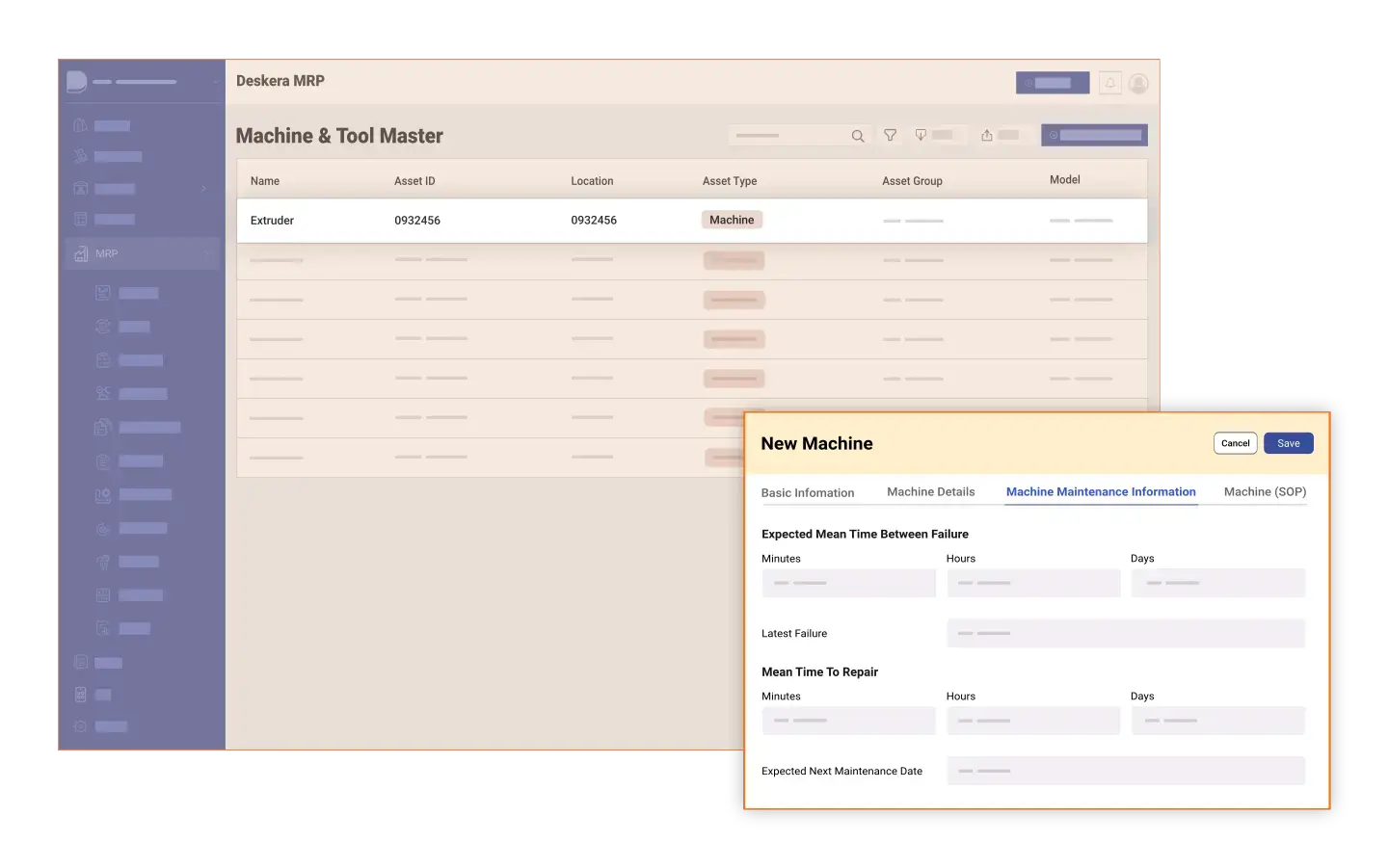
Achieving high First Time Quality (FTQ) requires strong control over materials, processes, and production workflows—and this is exactly where Deskera MRP adds value. By integrating planning, execution, and quality monitoring into a single platform, it helps manufacturers reduce defects, eliminate inefficiencies, and ensure products are made right the first time.
Real-Time Visibility into Production
Deskera MRP provides real-time tracking of production activities, including work-in-progress (WIP) and shop floor operations. This visibility allows manufacturers to identify bottlenecks, detect deviations early, and take corrective action before defects occur, directly supporting higher FTQ levels.
Efficient Production Planning and Scheduling
With advanced production planning tools, businesses can allocate resources, set timelines, and optimize workflows more effectively. Better planning reduces errors caused by misalignment or delays, ensuring smoother production cycles and improving the chances of getting products right the first time.
Improved Material and Inventory Management
Deskera MRP enables precise material requirement planning and inventory tracking, ensuring that the right materials are available at the right time. This minimizes the risk of using incorrect or substandard materials—one of the key causes of defects in manufacturing.
Automated Work Order Management
The system automates work order creation, assignment, and tracking, ensuring that each task is executed according to defined standards. This reduces manual errors, improves consistency, and ensures that production steps are followed accurately, which is essential for achieving high FTQ.
Machine Monitoring and Maintenance Optimization
Deskera MRP includes machine management and maintenance scheduling features that help ensure equipment operates efficiently. By reducing unexpected breakdowns and maintaining optimal machine performance, manufacturers can avoid defects caused by equipment issues.
Data-Driven Quality Insights and Reporting
With built-in reporting and analytics, Deskera MRP helps manufacturers track production performance, identify defect trends, and measure efficiency. These insights support data-driven decision-making, enabling continuous improvement and better control over quality processes.
Cost and Waste Reduction
By tracking yields, scrap, and production costs, Deskera MRP helps businesses identify areas of waste and inefficiency. Reducing rework and scrap not only improves FTQ but also lowers operational costs, contributing to better profitability.
End-to-End Process Integration
Deskera’s all-in-one ERP approach integrates production, inventory, quality, and financial data into a single system. This eliminates silos, improves coordination between departments, and ensures that quality is maintained throughout the entire production lifecycle.
By leveraging these capabilities, Deskera MRP enables manufacturers to shift from reactive quality control to proactive quality assurance—helping them consistently achieve higher First Time Quality, reduce costs, and enhance overall operational efficiency.
Key Takeaways
- FTQ is a critical metric that highlights how efficiently manufacturers can produce defect-free products, directly impacting costs, efficiency, and customer satisfaction.
- What is FTQ (First Time Quality): FTQ measures the percentage of products made correctly on the first attempt, reflecting true production efficiency and quality performance.
- How FTQ is Calculated: FTQ is calculated by dividing defect-free units by total production, providing a clear and quantifiable view of process effectiveness.
- Why FTQ is Important in Manufacturing: High FTQ improves efficiency, reduces waste, and ensures consistent product quality, making it essential for competitive manufacturing.
- Core Principles of FTQ: FTQ is built on principles like defect prevention, continuous improvement, employee involvement, and data-driven decision-making.
- Connection Between FTQ and TQM: FTQ aligns closely with Total Quality Management by supporting a company-wide focus on quality, continuous improvement, and customer satisfaction.
- FTQ vs Traditional Quality Control: Unlike traditional quality control, FTQ focuses on preventing defects during production rather than detecting them after completion.
- Benefits of Tracking FTQ: Monitoring FTQ helps identify inefficiencies, reduce costs, improve product quality, and enhance customer satisfaction.
- Factors That Affect FTQ: FTQ is influenced by machine performance, workforce skills, material quality, process design, and organizational culture.
- Common Challenges in Achieving FTQ: Challenges such as poor training, inconsistent materials, equipment issues, and resistance to change can hinder FTQ improvement.
- Steps to Achieve FTQ (DMAIC): A structured approach like DMAIC helps systematically identify, analyze, and eliminate defects.
- Tips to Cultivate FTQ: Practical actions like inspecting materials, maintaining equipment, and documenting processes help embed FTQ into daily operations.
- Best Practices for Implementing FTQ: Strategic practices such as setting clear goals, leveraging technology, and building a quality-driven culture ensure long-term FTQ success.
- Measuring and Monitoring FTQ: Tracking metrics like FPY, defect rate, and COPQ provides actionable insights to improve quality and operational performance.
- How Deskera MRP Helps: Deskera MRP enhances FTQ by offering real-time visibility, process automation, and data-driven insights to reduce defects and improve efficiency.
- FTQ is not just a metric but a strategic approach that enables manufacturers to achieve operational excellence, reduce costs, and deliver consistent quality.
Related Articles
 Niti Samani
 Niti Samani
 Niti Samani
 Niti Samani
 Niti Samani
 Niti Samani