
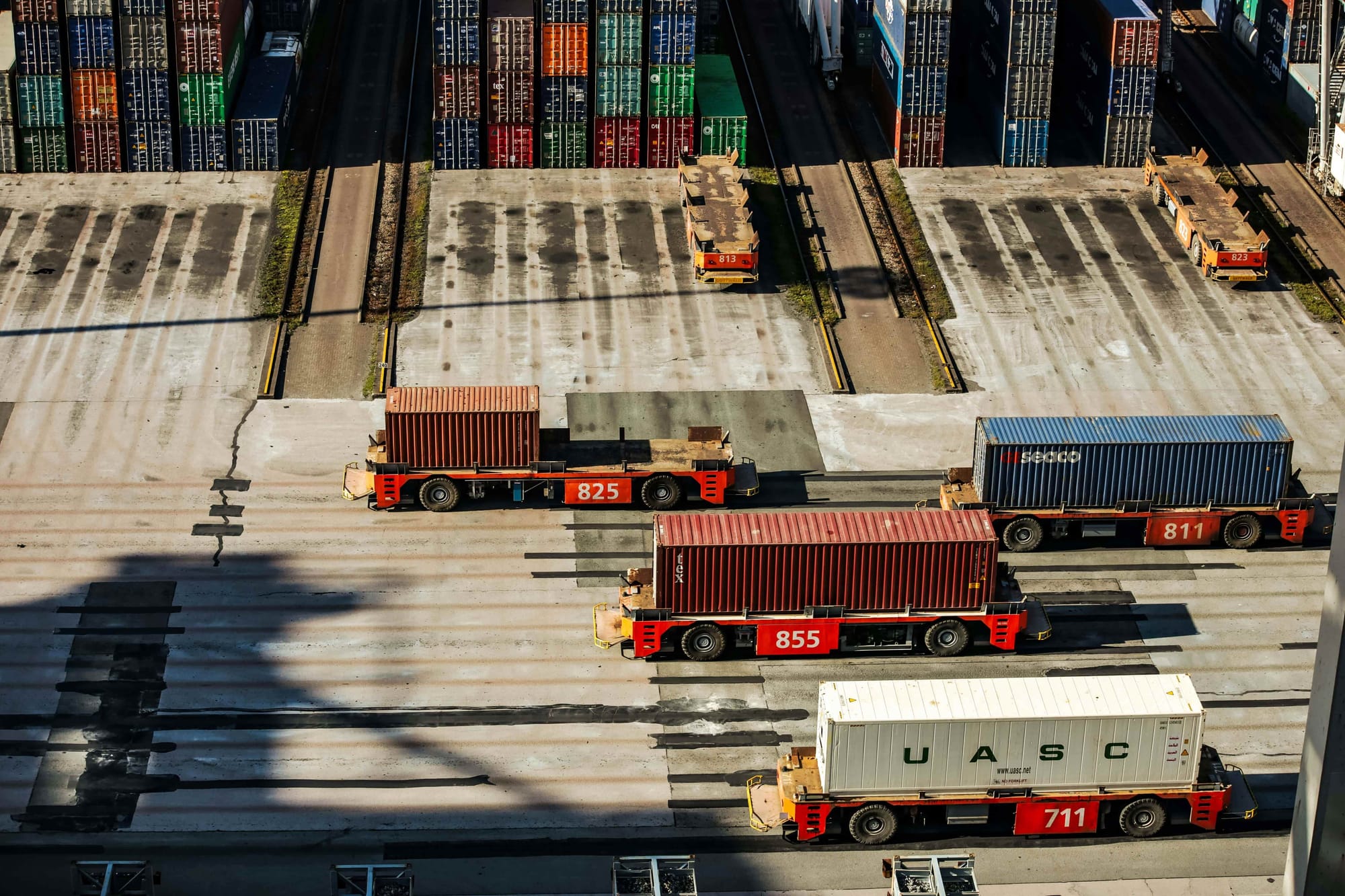

Why are businesses moving production and sourcing closer to their primary markets? In recent years, global supply chains have faced significant disruptions—from pandemic-related shutdowns to geopolitical tensions and rising transportation costs. These challenges have forced companies to rethink traditional offshoring strategies that prioritized low labor costs over operational resilience. As a result, many organizations are turning to nearshoring, a strategy that involves relocating manufacturing or service operations to nearby countries to improve supply chain reliability and responsiveness.
The growing interest in nearshoring reflects a shift in how businesses approach supply chain management. Instead of focusing solely on cost reduction, companies are prioritizing resilience, visibility, and faster delivery. Industry estimates suggest that the nearshoring market is projected to grow at a compound annual growth rate of around 8.9% between 2021 and 2026, highlighting the increasing adoption of this strategy. By bringing production closer to end markets, businesses can shorten lead times, reduce transportation risks, and respond more quickly to changing customer demand.
Manufacturers in particular are embracing nearshoring to gain better control over their supply chains. Studies indicate that more than half of manufacturers—around 54%—are using nearshoring to enhance supply chain visibility and coordination. In addition, the trend is expected to accelerate in the coming years, with approximately 85% of companies planning to manufacture and sell within the same region by 2026. This shift reflects a broader movement toward regionalized supply chains that prioritize flexibility, collaboration with suppliers, and improved risk management.
Managing nearshore supply chains effectively requires strong operational visibility and integrated digital tools. Solutions like Deskera ERP help businesses streamline procurement, inventory, production planning, and financial management within a single platform. With real-time data insights, automated workflows, and comprehensive supply chain tracking capabilities, Deskera ERP enables organizations to coordinate operations across multiple locations more efficiently. By leveraging such systems, businesses can fully realize the benefits of nearshoring while maintaining agility and control over their supply chain networks.
What Is Nearshoring in Supply Chain Management?
Nearshoring in supply chain management refers to the practice of relocating manufacturing, sourcing, or service operations to countries that are geographically close to a company’s primary market. Instead of outsourcing work to distant regions across the globe, businesses choose nearby locations that offer easier access, similar time zones, and closer cultural alignment.
This strategy is considered a form of outsourcing in which organizations move certain business activities—such as manufacturing, logistics, software development, or customer support—to neighboring countries. The goal is to maintain cost advantages while improving communication, coordination, and supply chain efficiency. By operating in nearby regions, companies can shorten delivery times, reduce transportation costs, and respond more quickly to market changes.
Nearshoring combines several benefits of both domestic and offshore operations. Businesses can access a broader pool of skilled workers and benefit from lower labor costs compared to their home country, while still maintaining closer oversight of operations. Additionally, geographic proximity often reduces language barriers, cultural differences, and time zone challenges that can complicate collaboration with distant offshore partners.
In supply chain management, nearshoring is particularly valuable because it allows companies to bring production, logistics, and sourcing activities closer to their target markets. This helps organizations reduce risks associated with long-distance supply chains while improving visibility, coordination, and operational flexibility.
How Nearshoring Differs from Offshoring and Reshoring
Understanding the differences between nearshoring, offshoring, and reshoring is important for companies evaluating their supply chain strategies.
Offshoring vs Nearshoring
Offshoring involves relocating business operations to distant countries, typically to take advantage of significantly lower labor costs. For example, companies in North America or Europe often offshore manufacturing to countries in Asia. While offshoring can reduce production expenses, the long physical distance can create challenges such as communication delays, longer shipping times, cultural differences, and higher transportation costs.
Nearshoring, on the other hand, moves operations to nearby countries rather than distant ones. This geographic proximity enables easier collaboration, similar time zones, and faster communication between teams. Although labor costs in nearshore locations may be slightly higher than in traditional offshore destinations, companies often benefit from shorter lead times, reduced logistics costs, and improved coordination across the supply chain.
Reshoring vs Nearshoring
Reshoring refers to the process of bringing previously outsourced operations back to the company’s home country. Organizations adopt reshoring when they want greater control over production, improved product quality, or reduced reliance on international supply chains.
Nearshoring differs because operations are not brought back domestically but relocated to nearby countries. The strategy aims to balance cost efficiency with operational proximity. While reshoring can increase labor costs significantly, nearshoring allows businesses to maintain competitive production costs while still improving supply chain responsiveness and reducing transportation risks.
In essence, nearshoring focuses on achieving a balance between cost savings and geographic proximity, while reshoring prioritizes full control over operations within the home country.
Examples of Nearshoring in Global Supply Chains
Nearshoring is increasingly being adopted across multiple industries as companies look for ways to make their supply chains more resilient and efficient.
Manufacturing Shifts
Many manufacturing companies have moved production facilities closer to their primary markets. For example, several North American companies have shifted manufacturing operations from Asia to Mexico to reduce shipping times and transportation costs.
Similarly, many Western European firms are relocating production to Eastern European countries to improve logistics efficiency and maintain closer oversight of suppliers. These shifts allow businesses to shorten delivery times, reduce supply chain disruptions, and better manage inventory.
IT and Service Outsourcing
Nearshoring is also common in the technology and services sector. Companies often outsource software development, customer support, or IT services to nearby countries with strong technical talent pools. For instance, businesses in the United States frequently partner with development teams in Latin America, while European companies collaborate with IT providers in Eastern Europe. Because these regions operate in similar time zones, teams can communicate in real time, making collaboration easier and improving project management efficiency.
These examples highlight how nearshoring enables businesses to build more agile and responsive supply chains while maintaining access to global talent and cost efficiencies.
Why Businesses Are Turning to Nearshoring
In recent years, companies around the world have begun rethinking their traditional supply chain strategies. For decades, offshoring to distant countries was the preferred approach because it offered lower labor costs.
However, ongoing disruptions, rising logistics expenses, and increasing operational risks have exposed the vulnerabilities of long and complex global supply chains. As a result, many organizations are turning to nearshoring to build more resilient, agile, and responsive supply chain networks.
Supply Chain Disruptions and Geopolitical Risks
Global supply chains have faced several disruptions over the past few years, including pandemics, political tensions, trade restrictions, and regional conflicts. These events have highlighted how heavily businesses rely on distant suppliers and how quickly disruptions in one region can affect production worldwide. When manufacturing facilities or transportation networks in far-off locations are interrupted, companies often struggle with delayed shipments and production slowdowns.
Nearshoring helps reduce these risks by bringing supply chain operations closer to the company’s primary market. By sourcing materials or manufacturing products in nearby countries, businesses can diversify their supplier base and reduce dependency on distant regions. This geographical proximity also allows companies to respond more quickly to unexpected disruptions and maintain greater operational continuity.
Rising Global Shipping Costs
Transportation costs have increased significantly in recent years due to fuel price fluctuations, container shortages, and global logistics bottlenecks. Shipping goods across long distances—especially between continents—can significantly increase the total cost of production and distribution.
Nearshoring helps businesses lower transportation expenses by shortening the distance between manufacturing facilities and target markets. With production located closer to customers, companies can rely on regional transportation networks rather than expensive international shipping routes. This not only reduces freight costs but also minimizes the risks of shipping delays and port congestion.
Need for Faster Delivery and Shorter Lead Times
Today’s customers expect faster delivery and more responsive service. Long supply chains that stretch across multiple continents often result in extended production cycles and slower order fulfillment. In highly competitive industries, these delays can affect customer satisfaction and market responsiveness.
By relocating production closer to their target markets, companies can significantly shorten lead times. Nearshoring enables businesses to move products more quickly from factories to warehouses and ultimately to customers. Faster delivery cycles allow companies to respond rapidly to demand changes, launch products sooner, and maintain a competitive advantage.
Demand for Greater Supply Chain Visibility
Modern businesses increasingly rely on real-time data and visibility to manage complex supply chain operations. When production and logistics activities are spread across distant locations, it becomes more difficult for companies to monitor inventory levels, supplier performance, and operational efficiency.
Nearshoring improves supply chain visibility because geographically closer operations are easier to oversee and coordinate. Businesses can communicate more effectively with suppliers, conduct regular inspections, and maintain tighter quality control. This enhanced visibility helps companies identify potential issues earlier and make faster decisions to optimize supply chain performance.
Sustainability and Environmental Considerations
Sustainability has become an important priority for many organizations as they seek to reduce their environmental footprint and meet regulatory or consumer expectations. Long-distance transportation, particularly air and ocean freight, contributes significantly to carbon emissions in global supply chains.
Nearshoring can support sustainability goals by reducing the distance goods must travel between production sites and markets. Shorter transportation routes lead to lower fuel consumption and reduced greenhouse gas emissions. In addition, companies can often collaborate more closely with regional suppliers to adopt environmentally responsible practices, making the overall supply chain more sustainable.
Key Benefits of Nearshoring in Supply Chains
Nearshoring offers several strategic advantages for businesses seeking to build more resilient and efficient supply chains. By relocating manufacturing, sourcing, or service operations to nearby countries, organizations can shorten supply chain distances while maintaining cost efficiency and operational flexibility.
Geographic proximity, cultural similarities, and easier communication enable companies to coordinate operations more effectively and respond faster to changing market conditions. As a result, nearshoring has become an important strategy for improving supply chain performance and competitiveness.
Reduced Transportation Costs
One of the most significant benefits of nearshoring is the reduction in transportation costs. When companies move production or sourcing closer to their primary markets, the distance goods must travel decreases substantially. This leads to lower freight expenses, reduced fuel consumption, and fewer logistics-related costs.
Shorter transportation routes also reduce reliance on long international shipping routes, which can be expensive and prone to delays. In many cases, regional trade agreements between neighboring countries further reduce tariffs and simplify cross-border trade, helping businesses manage supply chain expenses more efficiently.
Faster Delivery and Improved Lead Times
Nearshoring enables companies to shorten supply chains and accelerate the movement of goods. With production facilities located closer to target markets, businesses can significantly reduce delivery times and improve order fulfillment speed.
Faster lead times allow companies to respond more quickly to fluctuations in customer demand and changing market conditions. This responsiveness helps organizations maintain leaner inventories, reduce stock shortages, and provide faster service to customers, ultimately strengthening their competitive position.
Greater Supply Chain Visibility and Control
Managing production and logistics across distant regions often makes it difficult for companies to maintain oversight of operations. Nearshoring improves supply chain visibility by placing suppliers and production facilities within closer geographic reach.
This proximity allows companies to conduct more frequent inspections, monitor production activities more closely, and maintain better quality control. Improved communication and coordination with nearshore partners also help businesses identify operational issues earlier and address them before they escalate into major disruptions.
Improved Collaboration with Suppliers
Nearshoring supports stronger collaboration between businesses and their suppliers due to geographic proximity and similar working environments. When companies operate within nearby regions, communication becomes easier and more frequent.
Teams can coordinate schedules more effectively, hold real-time meetings, and resolve operational challenges faster. In many cases, nearby countries also share similar cultural and business practices, which reduces misunderstandings and strengthens professional relationships between organizations and their suppliers.
Access to a Skilled Workforce
Many nearshore locations offer access to highly skilled and specialized talent pools. Countries that serve as nearshoring destinations often have strong education systems and well-developed industry clusters that produce skilled professionals in fields such as manufacturing, engineering, software development, and customer service.
By nearshoring certain operations, businesses can tap into this broader talent pool while maintaining lower labor costs than in their home country. This approach helps companies address workforce shortages and gain access to expertise that may not be readily available domestically.
Cultural and Time Zone Alignment
Another important advantage of nearshoring is the alignment of time zones and cultural similarities between neighboring countries. When teams operate in similar time zones, communication becomes more efficient and real-time collaboration is easier.
Cultural alignment also plays a significant role in improving business relationships. Shared work practices, similar business customs, and fewer language barriers can lead to smoother interactions and stronger partnerships between organizations and their nearshore partners.
Lower Risk of Supply Chain Disruptions
Long and complex global supply chains are often vulnerable to disruptions caused by geopolitical tensions, transportation delays, or natural disasters. Nearshoring helps reduce these risks by bringing key supply chain operations closer to the company’s primary market.
By diversifying supplier locations and shortening supply chain distances, businesses can respond more quickly to unexpected disruptions. This flexibility helps companies maintain operational continuity and reduce the impact of external challenges on production and delivery schedules.
Better Compliance with Trade Regulations
Operating in nearby countries often simplifies regulatory compliance because neighboring nations frequently share similar trade policies, labor standards, and legal frameworks. This regulatory alignment reduces the complexity of managing cross-border operations.
In many regions, trade agreements between neighboring countries facilitate smoother customs procedures and lower tariffs. These agreements allow companies to move goods more efficiently across borders while minimizing delays and compliance challenges in their supply chains.
Challenges of Nearshoring for Businesses
While nearshoring offers many strategic benefits, it is not without challenges. Moving operations closer to a company’s primary market can improve supply chain efficiency and resilience, but it may also introduce new operational, financial, and logistical complexities. Businesses must carefully evaluate potential risks and limitations before implementing a nearshoring strategy to ensure that the transition supports their long-term goals.
Understanding these challenges allows companies to plan more effectively, mitigate potential risks, and develop strategies that maximize the advantages of nearshoring while minimizing disruptions to their supply chain operations.
Higher Labor and Operational Costs
One of the main challenges of nearshoring is the potential increase in labor and operational expenses compared to traditional offshoring destinations. Many companies originally moved production to distant regions because of significantly lower labor costs. In comparison, nearby countries may offer cost advantages relative to the home country, but wages are often higher than in established offshore locations.
In addition to labor expenses, operational costs such as utilities, facility setup, and compliance requirements may also be higher in nearshore locations. Businesses must carefully evaluate whether the savings from reduced transportation and logistics costs can offset the increased labor and operational expenditures.
Limited Supplier Availability
Another challenge businesses may face when adopting nearshoring is the limited availability of specialized suppliers in certain regions. Some industries rely on highly specialized components or raw materials that are concentrated in specific global manufacturing hubs.
When companies relocate operations closer to their target markets, they may find that local or regional supplier networks are less developed. This can make it difficult to source certain materials or components locally, potentially requiring businesses to continue relying on distant suppliers for some parts of their supply chain.
Infrastructure and Capacity Constraints
Not all nearshore locations have the infrastructure required to support large-scale manufacturing or logistics operations. In some regions, transportation networks, port facilities, and industrial infrastructure may not be as advanced as those in established global manufacturing centers.
Additionally, sudden increases in nearshoring demand can create capacity constraints in certain regions. If multiple companies relocate production to the same area, local manufacturing facilities, warehouses, and labor markets may become strained. This can result in higher operational costs, longer setup times, or difficulties scaling production quickly.
Regulatory and Trade Policy Differences
Although nearshoring often involves working with geographically close countries, businesses may still face differences in regulatory frameworks, labor laws, taxation policies, and trade regulations. Navigating these legal and compliance requirements can add complexity to cross-border operations.
Changes in trade policies, tariffs, or regional agreements may also affect the cost and feasibility of nearshoring strategies. Companies must stay informed about evolving regulations and ensure that they comply with local legal requirements to avoid operational disruptions or financial penalties.
Transition and Relocation Costs
Implementing a nearshoring strategy typically involves significant upfront investments. Businesses may need to establish new manufacturing facilities, build relationships with regional suppliers, hire and train local employees, and redesign their supply chain networks.
Relocating operations can also require the transfer of equipment, technology, and expertise from existing facilities to new locations. During this transition period, companies may experience temporary disruptions in production or logistics. Careful planning and phased implementation are therefore essential to minimize operational risks and ensure a smooth transition to nearshore operations.
Business Impact of Nearshoring on Supply Chains
Nearshoring is not just a sourcing strategy—it can significantly transform how businesses design and manage their supply chains. By relocating operations closer to target markets, companies often experience structural changes in logistics, production planning, and customer service capabilities.
These shifts can improve operational agility while helping organizations respond more effectively to market uncertainties and evolving customer expectations.
As more companies adopt nearshoring strategies, its impact extends beyond cost management to influence overall supply chain resilience, operational efficiency, and competitive positioning.
Increased Supply Chain Resilience
One of the most significant impacts of nearshoring is the improvement in supply chain resilience. Traditional global supply chains often rely on long transportation routes and distant suppliers, making them vulnerable to disruptions caused by geopolitical tensions, natural disasters, or transportation delays.
By moving production or sourcing closer to their primary markets, businesses can reduce their reliance on distant regions and diversify their supplier networks. Shorter supply chains are generally easier to manage and less susceptible to large-scale disruptions. This increased resilience allows companies to maintain operational continuity even when unexpected events occur.
Improved Customer Responsiveness
Nearshoring enables companies to respond more quickly to changing customer demands. When manufacturing facilities and suppliers are located closer to the end market, businesses can shorten production cycles and accelerate order fulfillment.
Faster response times help companies adjust production volumes based on demand fluctuations, introduce new products more quickly, and maintain higher service levels for customers. This responsiveness is especially valuable in industries where market trends shift rapidly or where customers expect quick delivery and reliable product availability.
Changes in Inventory and Logistics Strategies
Adopting nearshoring often leads businesses to rethink their inventory and logistics strategies. Long-distance supply chains typically require companies to maintain higher levels of safety stock to account for shipping delays and unpredictable lead times.
With nearshore operations, companies can reduce transportation times and gain better control over inventory movement. This allows businesses to adopt more efficient inventory management approaches, such as maintaining lower safety stock levels while still ensuring product availability. In addition, logistics networks may shift toward regional distribution centers and shorter transportation routes.
Influence on Manufacturing and Production Planning
Nearshoring can also reshape manufacturing and production planning processes. When production facilities are located closer to the market, companies can plan manufacturing schedules more accurately and align production with real-time demand signals.
This proximity enables better coordination between production teams, suppliers, and distributors. As a result, businesses can improve production flexibility, reduce delays caused by long-distance coordination, and adjust manufacturing output more quickly in response to market changes.
Competitive Advantage in Local Markets
Companies that adopt nearshoring strategies often gain a competitive advantage in their target markets. Shorter supply chains allow businesses to deliver products faster, respond more quickly to customer needs, and maintain more consistent product availability.
Additionally, producing closer to the market can strengthen brand reputation by demonstrating a commitment to reliability, responsiveness, and sometimes regional economic development.
Businesses that effectively implement nearshoring can differentiate themselves through faster service, improved operational efficiency, and stronger relationships with customers and regional partners.
Industries That Benefit Most from Nearshoring
Nearshoring has gained significant traction across multiple industries as companies seek to improve supply chain efficiency, reduce operational risks, and respond faster to market demand.
While many sectors can benefit from relocating operations closer to their target markets, some industries rely more heavily on speed, flexibility, and supply chain coordination, making nearshoring particularly valuable.
These industries often deal with complex supply chains, rapidly changing demand, or strict regulatory requirements that make geographic proximity a strategic advantage.
Manufacturing and Automotive
The manufacturing and automotive industries are among the largest adopters of nearshoring strategies. These sectors rely on extensive supplier networks, just-in-time production models, and precise coordination between multiple production stages. When suppliers and manufacturing facilities are located far from assembly plants, delays in the supply chain can quickly disrupt production schedules.
Nearshoring allows manufacturers to bring component suppliers and production facilities closer to assembly plants and major markets. This proximity reduces transportation time, improves coordination between suppliers, and helps maintain smoother production flows. Automotive manufacturers, in particular, benefit from shorter lead times and improved supply chain reliability when sourcing components from nearby countries.
Electronics and Technology
The electronics and technology sector also benefits significantly from nearshoring. Products such as smartphones, computers, and consumer electronics often have short product life cycles and require rapid innovation. Companies in this industry must respond quickly to changing customer preferences and technological advancements.
By locating manufacturing or assembly operations closer to key markets, technology companies can accelerate product development cycles and improve time-to-market. Nearshoring also makes it easier to coordinate design, engineering, and production teams, enabling faster problem-solving and improved product quality.
Apparel and Consumer Goods
The apparel and consumer goods industry relies heavily on speed and flexibility to keep up with changing fashion trends and consumer preferences. Long supply chains can make it difficult for companies to quickly adapt production to new designs or shifting demand patterns.
Nearshoring helps apparel brands shorten production cycles and respond more quickly to market trends. With manufacturing facilities located closer to target markets, companies can produce smaller batches, replenish inventory faster, and reduce the risk of overproduction. This flexibility allows businesses to stay competitive in fast-moving retail markets.
Pharmaceutical and Healthcare
The pharmaceutical and healthcare industries require highly reliable supply chains to ensure the consistent availability of essential medical products. Delays in the delivery of pharmaceutical ingredients or medical equipment can have serious consequences for healthcare providers and patients.
Nearshoring helps pharmaceutical companies strengthen supply chain resilience by bringing manufacturing and distribution operations closer to key markets. This proximity improves inventory availability, reduces transportation delays, and allows companies to maintain tighter control over product quality and regulatory compliance.
IT and Software Development
Nearshoring has also become increasingly popular in the IT and software development sector. Many companies outsource software development, technical support, or digital services to nearby countries that offer strong technology talent pools.
Working with nearshore development teams allows companies to collaborate in similar time zones, enabling real-time communication and faster project coordination. This improves productivity and helps businesses deliver software projects more efficiently while still benefiting from lower operational costs compared to domestic hiring.
Best Practices for Implementing a Nearshoring Strategy
Implementing a nearshoring strategy requires careful planning and strategic decision-making. While relocating operations closer to target markets can provide significant benefits, businesses must evaluate various operational, financial, and logistical factors to ensure a successful transition. A well-planned nearshoring strategy helps companies maximize supply chain efficiency while minimizing risks and unexpected costs.
By following proven best practices, organizations can build a more resilient and agile supply chain while fully leveraging the advantages of nearshoring.
Conduct a Detailed Cost-Benefit Analysis
Before adopting a nearshoring strategy, businesses should perform a comprehensive cost-benefit analysis. While nearshoring can reduce transportation expenses and lead times, companies may also face higher labor costs, facility setup expenses, and regulatory compliance requirements in the chosen location.
A detailed financial evaluation should consider factors such as labor costs, transportation expenses, tariffs, taxes, infrastructure investments, and operational efficiency. Companies should also assess potential long-term benefits, including improved supply chain resilience and faster delivery times, to determine whether nearshoring will provide a sustainable competitive advantage.
Evaluate Supplier Capabilities and Reliability
Selecting the right suppliers is critical to the success of a nearshoring strategy. Businesses must carefully evaluate the capabilities, capacity, and reliability of potential suppliers in the nearshore region. This includes assessing production quality, operational efficiency, financial stability, and the supplier’s ability to scale operations when demand increases.
Companies should also consider factors such as technical expertise, compliance with industry standards, and the supplier’s experience in serving international markets. Conducting supplier audits and establishing clear performance metrics can help businesses ensure that nearshore partners meet operational and quality expectations.
Strengthen Supply Chain Risk Management
Even with nearshoring, supply chains can still face risks related to geopolitical changes, economic fluctuations, or regional disruptions. Businesses should develop strong risk management frameworks to identify potential vulnerabilities and prepare contingency plans.
Diversifying suppliers, maintaining alternative sourcing options, and monitoring regional economic conditions can help reduce the impact of unexpected disruptions. Businesses should also regularly evaluate their supply chain networks to ensure they remain flexible and resilient in the face of changing global conditions.
Invest in Digital Supply Chain Technologies
Technology plays a crucial role in managing modern supply chains, particularly when operations span multiple countries or regions. Businesses implementing nearshoring strategies should invest in digital tools that provide real-time visibility into inventory, production, logistics, and supplier performance.
Advanced supply chain technologies such as enterprise resource planning (ERP) systems, demand forecasting tools, and supply chain analytics platforms enable companies to monitor operations more effectively. These systems help businesses make data-driven decisions, improve coordination across teams, and optimize supply chain performance.
Develop Strong Partnerships with Regional Suppliers
Successful nearshoring depends on building strong and collaborative relationships with regional suppliers and partners. Rather than treating suppliers solely as vendors, businesses should focus on establishing long-term partnerships that promote transparency, trust, and shared objectives.
Regular communication, joint planning initiatives, and performance evaluations can strengthen supplier relationships and improve coordination across the supply chain. Strong partnerships also help companies respond more quickly to market changes, resolve operational challenges efficiently, and maintain consistent product quality.
How Deskera ERP Helps Manage Nearshoring Supply Chains
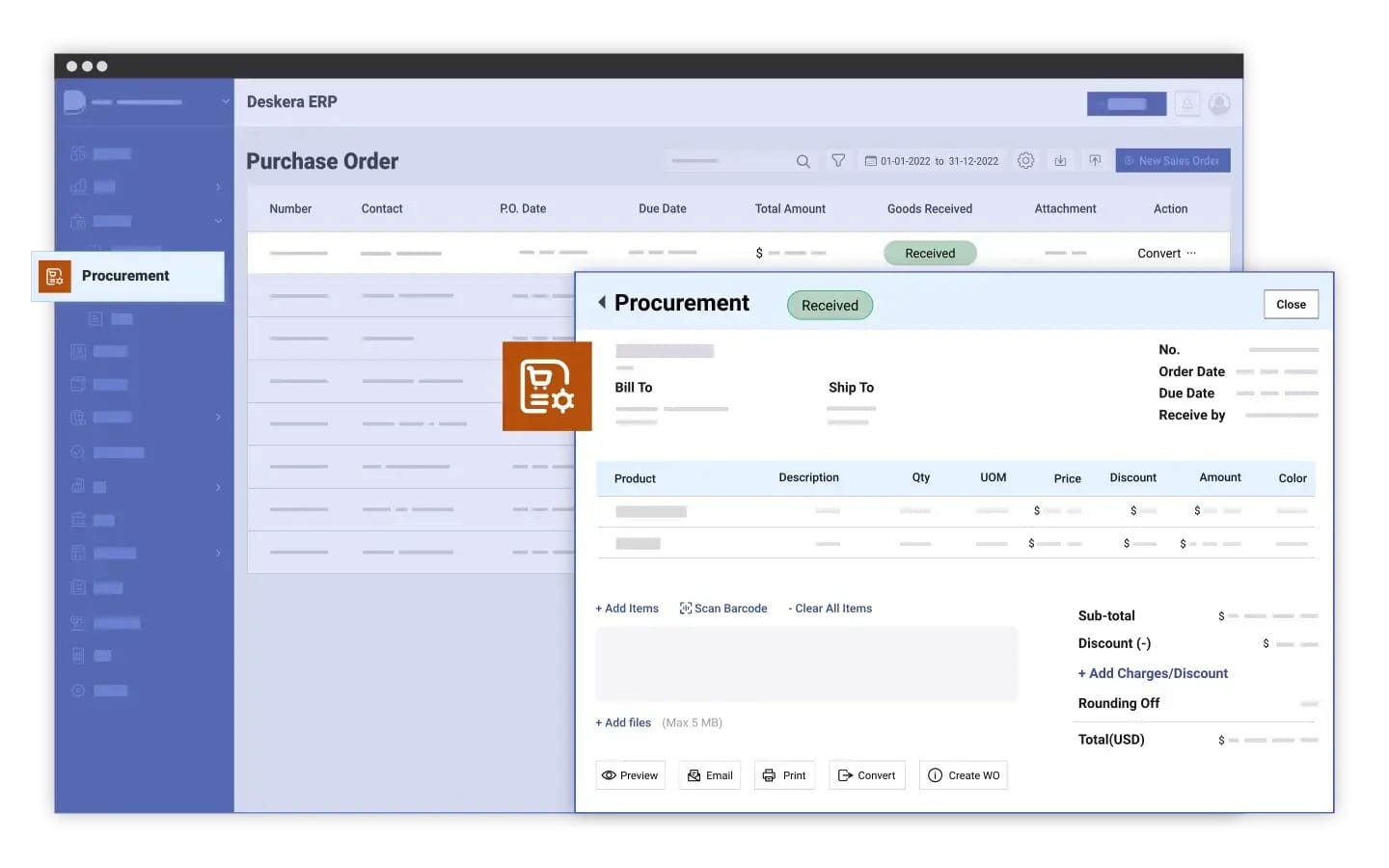
While nearshoring can improve supply chain agility and resilience, it also introduces new operational complexities. Businesses must coordinate procurement, inventory, production, logistics, and financial management across multiple locations and regional suppliers. Without the right digital tools, managing these distributed operations can become difficult and inefficient.
Deskera ERP provides an integrated platform that helps businesses manage nearshoring supply chains more effectively. By centralizing supply chain, inventory, procurement, and financial data, the system enables organizations to maintain visibility and control across their nearshore operations while improving coordination between teams and suppliers.
Real-Time Supply Chain Visibility
Effective nearshoring requires clear visibility into supply chain operations across different regions. Deskera ERP provides real-time insights into procurement activities, inventory levels, production progress, and order fulfillment.
With centralized dashboards and automated reporting, businesses can monitor supply chain performance and quickly identify potential bottlenecks or delays. This real-time visibility allows decision-makers to respond faster to operational issues and maintain smooth coordination between suppliers, manufacturers, and distribution centers.
Inventory and Warehouse Management
Managing inventory across multiple warehouses and nearshore facilities can be challenging without a centralized system. Deskera ERP helps businesses track inventory levels, manage stock movements, and maintain accurate records across different storage locations.
The platform supports efficient warehouse operations by enabling businesses to monitor stock availability, manage reorder levels, and reduce the risk of stockouts or overstocking. By improving inventory control, companies can maintain optimal stock levels while ensuring consistent product availability for customers.
Demand Forecasting and Production Planning
Nearshoring often requires businesses to align production schedules closely with regional demand patterns. Deskera ERP supports demand forecasting and production planning by analyzing historical sales data, market trends, and inventory levels.
These insights help businesses plan production more accurately, adjust manufacturing schedules when demand changes, and ensure that resources are allocated efficiently. Improved forecasting capabilities allow companies to reduce excess inventory while maintaining sufficient supply to meet customer demand.
Supplier Management and Procurement Tracking
Nearshoring typically involves working with multiple regional suppliers, making supplier coordination an important aspect of supply chain management. Deskera ERP helps businesses manage supplier relationships by tracking supplier performance, purchase orders, and procurement activities within a single system.
The platform allows companies to monitor order status, manage supplier communications, and maintain clear records of procurement transactions. This level of transparency helps businesses ensure timely delivery of materials and maintain strong partnerships with nearshore suppliers.
Financial Tracking Across Multiple Locations
Operating across different regions requires businesses to manage financial transactions across multiple facilities, suppliers, and distribution networks. Deskera ERP simplifies financial tracking by integrating accounting and supply chain operations within one platform.
Companies can monitor expenses related to procurement, production, logistics, and inventory while maintaining accurate financial records across all locations. This integration helps businesses gain better visibility into operational costs, track profitability, and make informed financial decisions when managing nearshore supply chains.
Key Takeaways
- Nearshoring involves relocating manufacturing or service operations to nearby countries, allowing businesses to balance cost efficiency with geographic proximity and better supply chain coordination.
- Companies are increasingly adopting nearshoring to reduce exposure to global supply chain disruptions, manage rising logistics costs, improve delivery speed, and gain better operational visibility.
- Nearshoring offers several advantages, including reduced transportation costs, faster lead times, stronger supplier collaboration, improved supply chain control, access to skilled talent, and better regulatory alignment.
- Despite its benefits, nearshoring also presents challenges such as higher labor costs compared to offshore locations, limited supplier networks in certain regions, infrastructure limitations, regulatory complexities, and transition expenses.
- Implementing nearshoring can significantly impact supply chain operations by increasing resilience, improving responsiveness to customer demand, reshaping inventory strategies, and enabling more flexible production planning.
- Several industries—including manufacturing, electronics, apparel, pharmaceuticals, and IT services—benefit greatly from nearshoring due to their need for speed, supply chain coordination, and reliable access to regional markets.
- Businesses can successfully implement nearshoring by conducting thorough cost analyses, evaluating supplier capabilities, strengthening risk management strategies, adopting digital supply chain technologies, and building strong regional partnerships.
- Integrated systems like Deskera ERP help businesses manage nearshoring supply chains by providing real-time visibility, inventory control, demand forecasting, supplier management, and financial tracking across multiple operational locations.
Related Articles
 Niti Samani
 Niti Samani
 Niti Samani
 Niti Samani
 Niti Samani
 Nalini