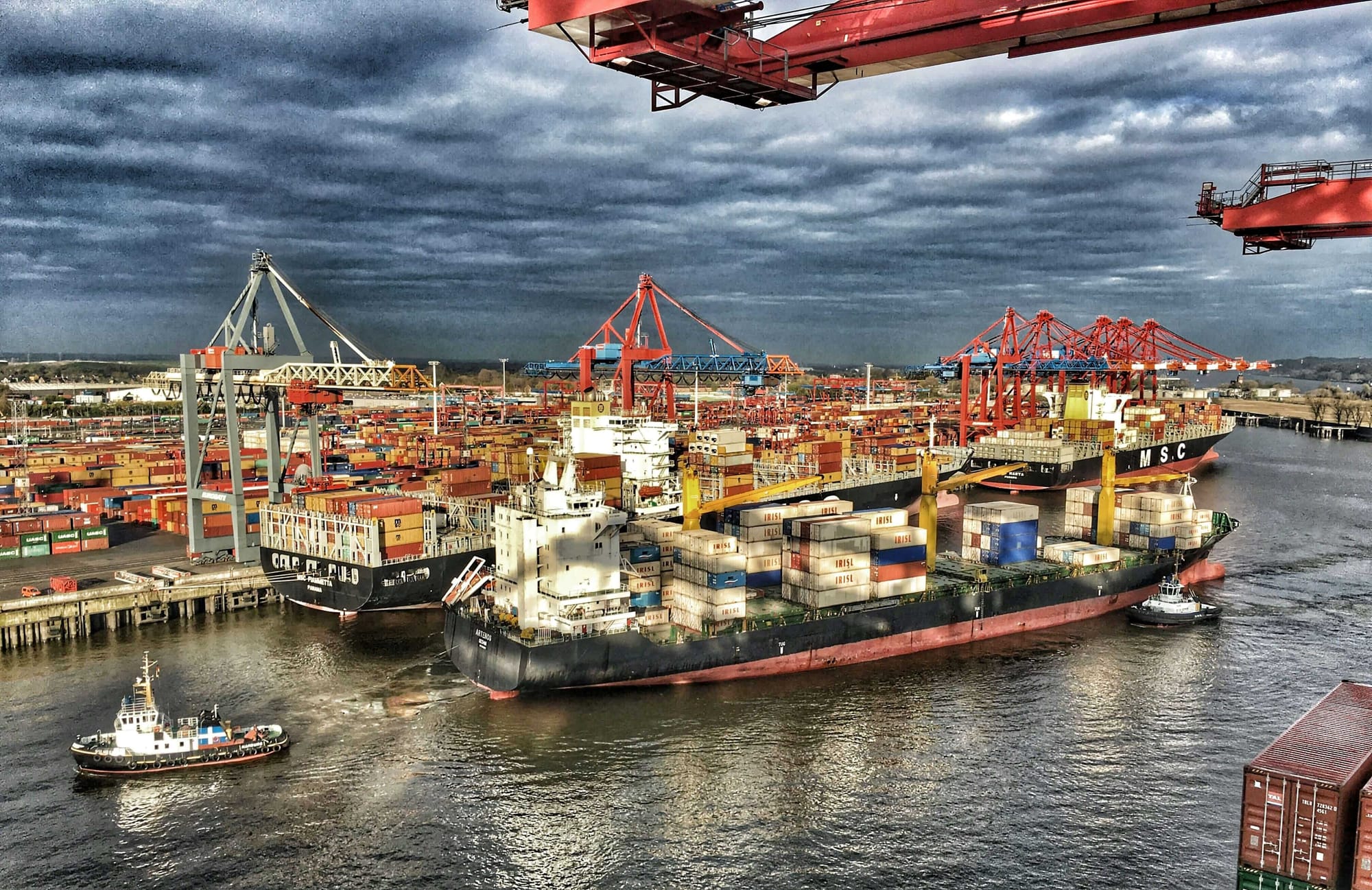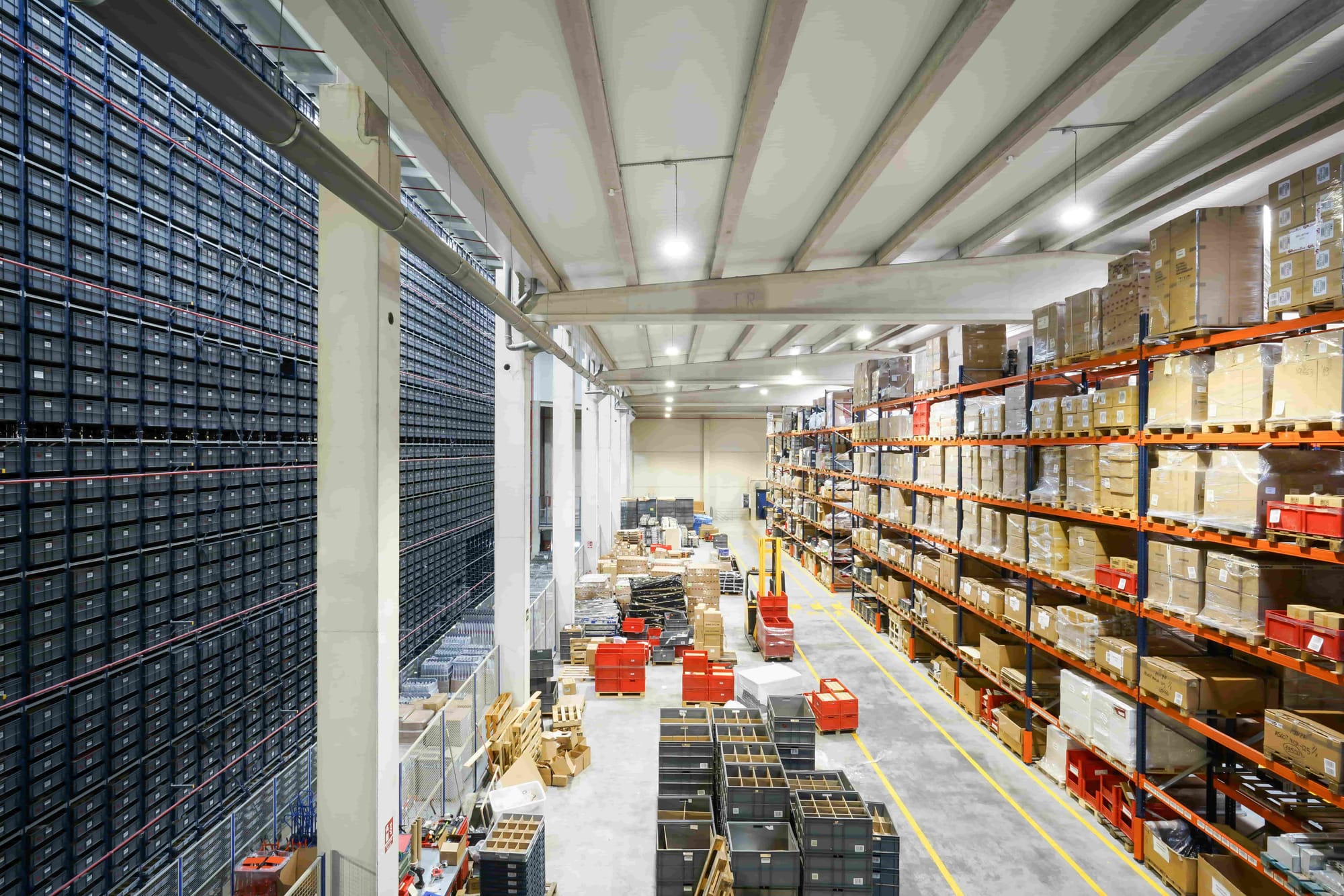

Is your supply chain truly prepared for the disruptions, uncertainties, and opportunities that 2026 and beyond will bring? The answer, for most businesses, is not yet. From unpredictable global events to rapidly shifting customer expectations, supply chains are under more pressure than ever to evolve from traditional, reactive models into intelligent, resilient, and future-ready systems.
At its core, a supply chain strategy is a long-term plan that aligns sourcing, production, inventory, and distribution with business goals. However, in today’s dynamic environment, strategy goes far beyond cost reduction. It must balance efficiency with agility, resilience with scalability, and speed with sustainability. Companies that fail to modernize their approach risk inefficiencies, delays, and lost competitive advantage in an increasingly interconnected world.
As we move into 2026, several transformative forces are reshaping supply chain strategies. Digital technologies like AI, predictive analytics, and real-time tracking are enabling smarter decision-making, while global disruptions are pushing organizations to prioritize risk management and supplier diversification. At the same time, rising customer expectations for faster, more transparent deliveries are compelling businesses to rethink how they design and execute their supply chains.
This is where modern ERP solutions like Deskera ERP play a critical role. By centralizing data, automating core processes, and providing real-time visibility across operations, Deskera ERP empowers businesses to build more agile and data-driven supply chains. From demand forecasting and inventory optimization to procurement and financial integration, it helps organizations streamline operations while staying prepared for future challenges.
What Is Supply Chain Strategy?
Supply chain strategy is the blueprint that defines how an organization designs, manages, and continuously improves the flow of goods, information, and capital across its entire supply chain network. While day-to-day operations focus on execution, supply chain strategy takes a long-term view—shaping how the network operates to remain cost-effective, resilient, and responsive in a constantly changing business environment.
At its core, a supply chain strategy aligns the movement of products—from sourcing raw materials to delivering finished goods—with overall business objectives. It ensures that the right products reach the right customers, at the right place, at the right time, and at the right cost. Achieving this level of efficiency requires an end-to-end perspective, where procurement, production, inventory, transportation, and distribution are all strategically coordinated.
A well-defined supply chain strategy goes beyond operational efficiency. It considers critical factors such as customer demand patterns, product complexity, supplier capabilities, market dynamics, and competitive pressures. The goal is to build a streamlined and scalable system that not only minimizes costs and reduces lead times but also enhances service quality and supports long-term profitability.
Importantly, there is no one-size-fits-all approach. Every organization must develop a tailored supply chain strategy based on its unique goals, resources, and industry landscape. This involves continuous analysis, collaboration with suppliers and logistics partners, and ongoing optimization to adapt to disruptions, evolving customer expectations, and emerging technologies.
Key Components of an Effective Supply Chain Strategy
An effective supply chain strategy is built on several interconnected components that work together to ensure smooth, efficient, and resilient operations. Each element plays a critical role in balancing cost, service levels, and risk while enabling scalability and long-term growth. When aligned properly, these components help organizations create a supply chain that is both responsive to market demands and optimized for performance.
Demand Planning and Forecasting
Demand planning and forecasting form the foundation of any supply chain strategy by predicting future customer demand based on historical data, trends, and market insights. Accurate forecasting helps businesses avoid overstocking or stockouts while ensuring optimal production levels. For example, if demand is expected to increase, production can be adjusted accordingly. This improves service levels, reduces waste, and enables better coordination across procurement, manufacturing, and distribution functions.
Supplier Relationship Management
Strong supplier relationships are essential for maintaining consistent quality, timely deliveries, and cost stability. Effective supplier management involves selecting reliable vendors, building long-term partnerships, and maintaining clear communication. Collaborating closely with suppliers ensures better coordination during demand fluctuations and reduces delays. Additionally, diversifying the supplier base minimizes dependency risks and strengthens resilience, allowing businesses to maintain continuity even during disruptions or unexpected supply shortages.
Inventory Optimization
Inventory optimization ensures that businesses maintain the right balance between supply and demand without holding excess stock. By analyzing sales patterns and demand forecasts, companies can determine optimal inventory levels. This reduces carrying costs, minimizes waste, and improves cash flow. Efficient inventory management also ensures product availability, preventing stockouts that could impact customer satisfaction. Ultimately, it helps businesses operate more efficiently while aligning inventory decisions with overall supply chain objectives.
Logistics and Distribution Strategy
Logistics and distribution focus on the efficient movement and storage of goods from suppliers to customers. This includes transportation planning, route optimization, warehousing, and last-mile delivery. Strategic decisions, such as selecting transportation modes or optimizing delivery routes, significantly impact costs and service levels. A well-designed distribution network ensures timely deliveries, reduces transportation expenses, and enhances customer satisfaction while maintaining operational efficiency across the entire supply chain.
Risk Management and Resilience Planning
Risk management prepares businesses to handle disruptions such as supplier failures, transportation delays, or demand fluctuations. A proactive strategy includes identifying risks, developing contingency plans, and maintaining backup suppliers. Diversifying sourcing and building flexibility into operations reduces vulnerability to disruptions. This ensures business continuity, protects revenue, and enables organizations to respond quickly to unexpected challenges while maintaining service levels and operational stability.
Network Design and Optimization
Network design determines the structure of the supply chain, including the number and location of warehouses, distribution centers, and suppliers. These decisions directly impact transportation costs, delivery speed, and inventory positioning. A centralized network may reduce storage costs, while a decentralized model improves delivery times. Optimizing the network helps businesses balance cost efficiency with service levels, ensuring that products are delivered quickly and economically to meet customer expectations.
Technology and Data Integration
Technology and data integration are essential for building a modern, digital supply chain. Advanced systems such as ERP, AI, and real-time analytics provide end-to-end visibility and enable data-driven decision-making. Integrating these technologies helps automate processes, improve forecasting accuracy, and enhance coordination across the supply chain. This leads to increased efficiency, faster response times, and better control over operations, allowing businesses to remain competitive in a rapidly evolving market.
Production and Operations Strategy
Production and operations strategy focuses on efficiently converting raw materials into finished goods while aligning with demand forecasts. It includes capacity planning, production scheduling, and process optimization. A well-defined strategy ensures that manufacturing operations run smoothly without bottlenecks or delays. By aligning production with demand and supply capabilities, businesses can reduce lead times, minimize waste, and improve overall productivity while maintaining consistent product quality.
Customer Service and Order Management
Customer service and order management ensure that the supply chain delivers a seamless experience from order placement to final delivery. This includes order processing, tracking, returns management, and after-sales support. A strong focus on customer service helps improve satisfaction, build loyalty, and enhance brand reputation. By aligning service levels with customer expectations, businesses can create a competitive advantage while ensuring consistent and reliable delivery performance.
Why Supply Chain Strategy is Critical in 2026 and Beyond
As global markets become more volatile and customer expectations continue to rise, having a well-defined supply chain strategy is no longer optional—it is a competitive necessity. Businesses must move beyond reactive approaches and adopt forward-looking strategies that enable resilience, agility, and efficiency. In 2026 and beyond, supply chains will play a central role in driving growth, managing risks, and delivering superior customer experiences.
Increasing Global Disruptions
Global supply chains are increasingly exposed to disruptions such as geopolitical tensions, trade restrictions, climate events, and economic uncertainties. Without a clear strategy, businesses struggle to respond effectively to these challenges. A robust supply chain strategy helps organizations build resilience through supplier diversification, risk assessment, and contingency planning. This ensures continuity of operations and minimizes the impact of unexpected disruptions on production, delivery timelines, and overall business performance in an unpredictable global environment.
Rising Customer Expectations
Modern customers expect faster deliveries, real-time tracking, and personalized experiences, putting immense pressure on supply chains. Businesses must design strategies that prioritize speed, flexibility, and transparency. A well-structured supply chain strategy enables companies to optimize inventory levels, streamline logistics, and enhance last-mile delivery capabilities. By aligning operations with customer expectations, organizations can improve service levels, build trust, and gain a competitive edge in markets where customer experience is a key differentiator.
Need for Digital Transformation
Digital transformation is reshaping how supply chains operate, making technology integration essential for success. Advanced tools such as AI, machine learning, and real-time analytics provide deeper insights and enable data-driven decision-making. A strategic approach ensures these technologies are effectively implemented across the supply chain. This enhances visibility, improves forecasting accuracy, automates processes, and increases operational efficiency, allowing businesses to respond quickly to changes while maintaining cost control and service excellence.
Growing Cost and Margin Pressures
Businesses are facing increasing pressure to control costs while maintaining high service levels. Rising fuel prices, labor costs, and raw material expenses make it essential to optimize supply chain operations. A well-defined strategy helps identify cost-saving opportunities across procurement, production, and logistics. By improving efficiency, reducing waste, and leveraging data insights, organizations can protect margins while continuing to meet customer demands without compromising on quality or delivery performance.
Focus on Sustainability and Compliance
Sustainability is becoming a core component of supply chain strategy as businesses face stricter environmental regulations and growing stakeholder expectations. Companies must reduce carbon footprints, minimize waste, and adopt ethical sourcing practices. A strategic approach enables organizations to integrate sustainability into their operations while maintaining efficiency. This not only ensures regulatory compliance but also strengthens brand reputation, attracts environmentally conscious customers, and supports long-term business growth in an increasingly sustainability-driven market.
Top Supply Chain Strategies for 2026 and Beyond
In today’s rapidly evolving business landscape, there is no single supply chain strategy that fits all organizations. The right approach depends on factors such as industry dynamics, demand variability, cost pressures, and business goals. However, several proven strategies have emerged as essential for building resilient, efficient, and future-ready supply chains in 2026 and beyond.
Demand-Driven Supply Chain Strategy
A demand-driven supply chain strategy focuses on aligning production, inventory, and distribution decisions with real-time customer demand. It relies heavily on accurate forecasting, data analytics, and responsive operations to ensure supply matches actual market needs. This approach helps businesses reduce excess inventory while avoiding stockouts. It is particularly effective in industries with fluctuating demand, enabling organizations to remain customer-centric while improving efficiency and minimizing waste across the supply chain.
Agile Supply Chain Strategy
An agile supply chain strategy emphasizes flexibility and the ability to respond quickly to changing market conditions. Businesses adopting this approach can adjust production, sourcing, and logistics in response to demand fluctuations or disruptions. It is especially useful in industries like fashion, technology, and FMCG, where trends change rapidly. By leveraging real-time data and flexible operations, companies can reduce lead times, improve responsiveness, and maintain high service levels in dynamic market environments.
Lean Supply Chain Strategy
A lean supply chain strategy focuses on minimizing waste, reducing costs, and improving operational efficiency. It uses practices such as just-in-time inventory, streamlined processes, and continuous improvement to eliminate unnecessary activities. This strategy works best in industries with stable demand, where predictability allows for efficient planning. By optimizing resources and reducing excess inventory, businesses can improve profitability while maintaining consistent product quality and delivery performance.
Resilient Supply Chain Strategy
A resilient supply chain strategy is designed to withstand disruptions and maintain continuity during unexpected events. It includes practices such as multi-sourcing, safety stock management, and geographic diversification. This approach helps organizations minimize risks associated with supplier failures, transportation delays, or global crises. By building flexibility and redundancy into the system, businesses can ensure consistent operations, protect revenue, and adapt quickly to uncertainties in an increasingly volatile global environment.
Digital Supply Chain Strategy
A digital supply chain strategy integrates advanced technologies such as AI, IoT, blockchain, and ERP systems to create a connected and data-driven ecosystem. It provides real-time visibility, improves decision-making, and automates key processes across the supply chain. This strategy enhances forecasting accuracy, inventory management, and operational efficiency. As digital transformation accelerates, businesses adopting this approach gain a significant competitive advantage through improved agility, transparency, and scalability.
Sustainable (Circular) Supply Chain Strategy
A sustainable or circular supply chain strategy focuses on reducing environmental impact through recycling, reuse, and responsible sourcing. It promotes a closed-loop system where materials are continuously reused to minimize waste. This approach helps businesses meet regulatory requirements and align with growing consumer demand for environmentally responsible practices. By integrating sustainability into supply chain operations, organizations can enhance brand reputation, reduce costs over time, and support long-term environmental goals.
Collaborative Supply Chain Strategy
A collaborative supply chain strategy emphasizes strong partnerships and information sharing among suppliers, manufacturers, and distributors. By aligning goals and sharing real-time data, businesses can improve coordination, reduce lead times, and enhance overall efficiency. This approach is particularly valuable in complex supply chains where multiple stakeholders are involved. Collaboration helps minimize risks, optimize resource utilization, and create a more synchronized and responsive supply chain network.
Hybrid Supply Chain Strategy (Lean + Agile)
A hybrid supply chain strategy combines the strengths of both lean and agile approaches to balance efficiency and flexibility. While lean principles reduce costs and eliminate waste, agile capabilities enable quick responses to demand changes. This strategy is ideal for businesses operating in environments with both stable and unpredictable demand patterns. By integrating both approaches, organizations can optimize performance while maintaining the ability to adapt to evolving market conditions.
Benefits of a Resilient Supply Chain Strategy
A resilient supply chain strategy enables businesses to withstand disruptions while maintaining consistent performance and service levels. In an increasingly unpredictable global environment, resilience is no longer just a risk management tool—it is a key driver of long-term stability, efficiency, and competitive advantage. By building flexibility and preparedness into operations, organizations can respond quickly to challenges without compromising productivity or customer satisfaction.
Reduced Operational Risks
A resilient supply chain minimizes the impact of disruptions such as supplier failures, transportation delays, or demand fluctuations. By diversifying suppliers, maintaining backup options, and implementing contingency plans, businesses can ensure continuity of operations. This proactive approach reduces dependency on single sources and helps organizations navigate uncertainties more effectively, protecting revenue streams and preventing costly interruptions in production or delivery processes.
Improved Business Continuity
Resilience ensures that supply chain operations continue even during unexpected events. With well-defined strategies in place, businesses can quickly adapt to disruptions without significant downtime. This includes maintaining safety stock, flexible sourcing options, and alternative logistics routes. As a result, organizations can sustain production, meet customer demands, and maintain stability even in challenging conditions, ensuring long-term operational reliability.
Enhanced Customer Satisfaction
A resilient supply chain ensures that customers receive their orders on time, even during disruptions. By maintaining consistent delivery performance and minimizing delays, businesses can build trust and loyalty. Reliable service levels, accurate order fulfillment, and improved responsiveness contribute to a better customer experience. This not only strengthens relationships with existing customers but also enhances brand reputation in competitive markets.
Greater Flexibility and Responsiveness
Flexibility is a key advantage of a resilient supply chain. Businesses can quickly adjust production, sourcing, and distribution strategies in response to changing market conditions. Whether it’s a sudden demand spike or a supply shortage, a resilient system enables faster decision-making and execution. This adaptability helps organizations stay competitive and ensures they can respond effectively to both opportunities and challenges.
Optimized Inventory Management
Resilient supply chains maintain a balanced approach to inventory by combining efficiency with preparedness. Instead of overstocking or understocking, businesses can strategically manage safety stock and inventory levels based on risk assessments. This reduces waste, lowers holding costs, and ensures product availability. Optimized inventory management also improves cash flow while maintaining the ability to respond to unexpected demand or supply disruptions.
Better Resource Utilization
By improving coordination across suppliers, production, and logistics, a resilient supply chain ensures that resources are used efficiently. Businesses can reduce inefficiencies, eliminate bottlenecks, and optimize production flow. This leads to better utilization of labor, materials, and infrastructure. As a result, organizations can enhance productivity while maintaining cost control and operational efficiency across the entire supply chain.
Stronger Competitive Advantage
Companies with resilient supply chains are better positioned to outperform competitors during disruptions. While others may struggle with delays or shortages, resilient organizations can continue operations smoothly. This reliability builds trust with customers and partners, strengthening market position. Over time, resilience becomes a strategic advantage that supports growth, improves brand reputation, and enables businesses to thrive in uncertain environments.
Support for Sustainability and Long-Term Growth
Resilient supply chains often align with sustainable practices by reducing waste, optimizing resource use, and promoting responsible sourcing. These practices not only lower environmental impact but also improve operational efficiency. Additionally, resilience supports long-term growth by enabling businesses to adapt to market changes, regulatory requirements, and evolving customer expectations, ensuring stability and scalability in the future.
Challenges in Implementing Supply Chain Strategy
While a well-defined supply chain strategy offers significant benefits, implementing it effectively can be complex and resource-intensive. Organizations often face multiple internal and external barriers that hinder execution and limit the impact of their strategy. From technology gaps to supplier dependencies, overcoming these challenges is essential to building a truly efficient, resilient, and future-ready supply chain.
Lack of End-to-End Visibility
One of the biggest challenges is the lack of real-time visibility across the entire supply chain. Data is often fragmented across different systems, departments, and partners, making it difficult to track inventory, shipments, and demand accurately. Without a unified view, decision-making becomes reactive rather than proactive. This can lead to inefficiencies, delays, and poor coordination, ultimately affecting service levels and overall supply chain performance.
Data Silos and Poor Integration
Many organizations rely on disconnected systems that do not communicate effectively with each other. This creates data silos, where critical information is isolated within specific departments. Poor integration between procurement, production, inventory, and logistics systems limits collaboration and slows down processes. As a result, businesses struggle to gain actionable insights, reducing their ability to optimize operations and respond quickly to changes in demand or supply conditions.
Supplier Risks and Dependencies
Over-reliance on a limited number of suppliers increases vulnerability to disruptions. Delays, quality issues, or geopolitical factors affecting suppliers can significantly impact operations. Managing supplier relationships while ensuring reliability and diversification is a major challenge. Businesses must strike a balance between cost efficiency and risk mitigation, which requires continuous evaluation, communication, and strategic sourcing decisions to maintain a stable and resilient supply chain.
High Implementation Costs
Implementing a comprehensive supply chain strategy often requires significant investment in technology, infrastructure, and process redesign. Upgrading systems, adopting digital tools, and training employees can be costly and time-consuming. For many organizations, especially small and mid-sized businesses, these costs can act as a barrier. However, without these investments, it becomes difficult to achieve the efficiency, visibility, and agility required in modern supply chains.
Resistance to Change
Change management is a critical challenge when implementing new supply chain strategies. Employees and stakeholders may resist new processes, technologies, or workflows due to lack of understanding or fear of disruption. This resistance can slow down adoption and reduce the effectiveness of the strategy. Organizations must focus on clear communication, training, and leadership support to ensure smooth transition and alignment across all levels of the business.
Balancing Cost, Service, and Risk
Supply chain decisions often involve trade-offs between cost efficiency, service levels, and risk management. For example, reducing costs by relying on a single supplier may increase disruption risk, while maintaining high safety stock can raise inventory costs. Finding the right balance is challenging and requires continuous monitoring and strategic decision-making to optimize overall performance without compromising business objectives.
Rapidly Changing Market Conditions
Market dynamics, customer preferences, and global conditions are constantly evolving, making it difficult to maintain a stable strategy. Businesses must continuously adapt to changes such as demand fluctuations, regulatory shifts, and technological advancements. Keeping the supply chain aligned with these changes requires agility, ongoing analysis, and frequent strategy updates, which can be challenging to manage without the right tools and expertise.
Technology Adoption and Skill Gaps
Although advanced technologies can transform supply chains, adopting them effectively is not always easy. Organizations often face skill gaps, where employees lack the expertise to use new systems like AI, analytics, or automation tools. Additionally, integrating new technologies with existing systems can be complex. Without proper training and support, businesses may struggle to fully leverage technology, limiting the success of their supply chain strategy.
Steps to Build and Implement an Effective Supply Chain Strategy
Building an effective supply chain strategy requires a structured, data-driven approach that aligns operations with long-term business goals. It involves evaluating current capabilities, designing an optimized network, integrating technology, and continuously improving performance. By following a step-by-step process, organizations can create a supply chain that is cost-efficient, resilient, and responsive to changing market demands while ensuring consistent value delivery to customers.
Define Business Objectives and Strategic Priorities
The first step is to clearly define what the business aims to achieve through its supply chain. Objectives may include cost reduction, faster delivery, improved service levels, or market expansion. These goals must align with overall business strategy to ensure consistency across operations. A growth-focused company may prioritize scalability and speed, while a cost-focused organization may emphasize efficiency and cost control, guiding all subsequent supply chain decisions.
Assess Current Supply Chain Performance
Before building a strategy, organizations must evaluate their existing supply chain performance. This includes analyzing costs, service levels, inventory turnover, lead times, and risk exposure. Identifying inefficiencies, bottlenecks, and gaps provides a baseline for improvement. A clear understanding of current performance helps businesses make informed decisions and ensures that the new strategy addresses real challenges rather than assumptions.
Identify Demand Patterns and Customer Needs
Understanding demand is essential for designing an effective supply chain. Businesses must analyze demand patterns such as stable, seasonal, or unpredictable demand, along with customer expectations for speed, cost, and service. This insight helps determine inventory strategies, production planning, and distribution models. Aligning supply chain operations with actual demand ensures better responsiveness, reduced waste, and improved customer satisfaction.
Evaluate Product Portfolio and Supply Chain Complexity
Different products require different supply chain approaches. Companies must assess product characteristics such as lifecycle, value, customization, and demand variability. High-value or time-sensitive products may require faster logistics, while bulk goods may prioritize cost efficiency. Understanding product complexity enables organizations to tailor supply chain strategies for different product categories, improving both efficiency and service delivery.
Map the Supply Chain Network and Partner Ecosystem
A clear map of the supply chain network helps organizations understand how suppliers, manufacturers, distributors, and customers are connected. This includes evaluating supplier locations, transportation routes, and distribution centers. Mapping the network reveals gaps, redundancies, and risks, enabling better decision-making. It also helps identify critical partners who have the greatest impact on operations and require closer collaboration.
Select and Strengthen Strategic Supplier Relationships
Not all suppliers contribute equally to business success. Organizations must identify key suppliers based on reliability, cost-effectiveness, and strategic importance. Building strong relationships with these partners improves collaboration, communication, and performance. Diversifying the supplier base also reduces risk and dependency. Strategic partnerships ensure better coordination, innovation, and resilience across the supply chain.
Design an Optimized Supply Chain Network
Supply chain network design focuses on optimizing facility locations, inventory placement, and transportation flows. Using data and modeling tools, businesses can evaluate different scenarios to balance cost, service levels, and delivery speed. A well-designed network reduces operational costs while maintaining efficiency and responsiveness. This step lays the foundation for a scalable and flexible supply chain structure.
Define KPIs and Performance Metrics
Key Performance Indicators (KPIs) translate strategy into measurable outcomes. Metrics such as on-time delivery, inventory turnover, forecast accuracy, and total landed cost help track performance. Aligning KPIs with business objectives ensures accountability and continuous improvement. Regular monitoring allows organizations to identify deviations early and take corrective actions to maintain optimal supply chain performance.
Integrate Technology and Digital Capabilities
Technology plays a critical role in modern supply chain strategy. Implementing tools such as ERP systems, AI-driven analytics, IoT tracking, and automation improves visibility and decision-making. These technologies enable real-time monitoring, predictive insights, and process optimization. Integrating digital capabilities ensures that the supply chain can handle complexity, adapt to changes, and operate efficiently at scale.
Incorporate Risk Management and Resilience Planning
Proactive risk management is essential for handling disruptions. Organizations must identify potential risks such as supplier failures, geopolitical issues, or demand fluctuations. Strategies like multi-sourcing, safety stock, and contingency planning help mitigate these risks. Building resilience into the supply chain ensures business continuity and reduces the impact of unexpected events on operations.
Embed Sustainability and Compliance Considerations
Sustainability is becoming a key component of supply chain strategy. Businesses must consider environmental impact, resource usage, and regulatory compliance when designing operations. Practices such as route optimization, waste reduction, and responsible sourcing improve efficiency while reducing environmental footprint. Incorporating sustainability not only supports compliance but also enhances brand reputation and long-term viability.
Implement Sales and Operations Planning (S&OP)
Sales and Operations Planning aligns demand, supply, and financial planning across the organization. This cross-functional process ensures that all departments work toward common goals. S&OP improves coordination, reduces conflicts, and enables better decision-making. By integrating planning processes, organizations can balance supply and demand more effectively and respond quickly to market changes.
Optimize Inventory and Workforce Management
Efficient inventory and workforce management are critical for supply chain success. Businesses must balance inventory levels to meet demand while minimizing carrying costs. Techniques like safety stock optimization and demand forecasting help achieve this balance. Similarly, workforce planning ensures that the right skills and resources are available to support operations, improving productivity and scalability.
Execute, Monitor, and Continuously Improve
A supply chain strategy is not static—it requires continuous monitoring and improvement. Organizations must track performance against KPIs, conduct regular reviews, and adapt to changing conditions. Continuous improvement initiatives such as process optimization, automation, and supplier collaboration help sustain long-term success. By staying agile and proactive, businesses can ensure their supply chain remains competitive and resilient.
How to Choose the Right Supply Chain Strategy
Choosing the right supply chain strategy is not a one-size-fits-all decision. It depends on how your business operates, what your customers expect, and how your market behaves. The key is to align your supply chain approach with product complexity, demand patterns, and strategic priorities such as cost, speed, customization, or resilience. A well-matched strategy ensures efficiency, responsiveness, and long-term competitiveness.
Align with Business Objectives
Start by identifying your core business goals—whether it’s cost leadership, rapid growth, customer experience, or sustainability. Your supply chain strategy should directly support these priorities. For example, a company focused on cost efficiency may adopt a lean approach, while a growth-focused business may prioritize agility and scalability. Clear alignment ensures that supply chain decisions consistently contribute to overall business success.
Understand Demand Patterns
Analyze whether your demand is stable, seasonal, or unpredictable. Stable demand supports efficiency-driven strategies, while volatile demand requires flexibility and responsiveness. Businesses operating in fast-changing markets need strategies that can quickly adapt to fluctuations. Matching your strategy to demand behavior helps reduce stockouts, minimize excess inventory, and improve service levels.
Evaluate Product Characteristics
The nature of your product plays a critical role in strategy selection. Standardized, high-volume products benefit from efficiency-focused models, while customized or high-variation products require flexible approaches. Factors such as product lifecycle, value, perishability, and complexity influence decisions related to production, inventory, and distribution.
Assess Market Priorities (Cost vs Speed vs Customization vs Resilience)
Different markets prioritize different outcomes. Some customers value low cost, while others expect fast delivery or personalized products. In uncertain environments, resilience may become the top priority. Understanding what your market values most helps you choose a strategy that delivers the right balance between efficiency, responsiveness, and reliability.
Choose the Right Strategy Type
- Lean Strategy: Best suited for stable demand and standardized products. Focuses on cost reduction, waste elimination, and process efficiency.
- Agile Strategy: Ideal for unpredictable demand and fast-moving markets. Emphasizes flexibility, speed, and responsiveness.
- Postponement Strategy: Works well for products with multiple variations. Delays final production or customization until demand becomes clearer.
- Dual Sourcing Strategy: Reduces risk by relying on multiple suppliers instead of a single source, improving resilience and continuity.
Adopt Hybrid Approaches When Needed
In many cases, a single strategy is not enough. Businesses often combine approaches to balance efficiency and flexibility. For example, a Lean + Agile model works well for companies with steady baseline demand and occasional spikes. Similarly, Postponement + Dual Sourcing helps manage customization while reducing supply risks. Hybrid strategies provide a more balanced and adaptive supply chain.
Consider Risk and Resilience Requirements
Evaluate potential risks such as supplier dependency, geopolitical issues, or demand volatility. If your supply chain is vulnerable to disruptions, prioritize strategies that enhance resilience, such as diversification and contingency planning. Building risk awareness into your decision ensures long-term stability and business continuity.
Evaluate Technology Capabilities
Your ability to implement a strategy depends on your technology infrastructure. Advanced tools like ERP systems, AI-driven analytics, and real-time tracking enable better forecasting, visibility, and coordination. If your goal is agility or responsiveness, investing in the right technology is essential to support execution and scalability.
Test, Measure, and Refine
Finally, choosing a strategy is not a one-time decision. Businesses should continuously monitor performance using KPIs such as service levels, costs, and lead times. Regular evaluation allows you to refine your approach based on changing market conditions, ensuring your supply chain remains aligned with business goals and competitive demands.
Key Metrics to Measure Supply Chain Strategy Success
Implementing a supply chain strategy is only effective if its performance is consistently measured and improved. Key metrics and KPIs provide visibility into how well the supply chain is aligned with business goals, helping organizations identify inefficiencies, control costs, and enhance service levels. By tracking the right indicators, businesses can make data-driven decisions and continuously optimize their supply chain strategy for better outcomes.
Supply Chain Cost as a Percentage of Revenue
This metric evaluates the total cost of supply chain operations—including transportation, warehousing, inventory carrying, and labor—as a percentage of overall revenue. It provides a clear picture of cost efficiency and profitability. A lower percentage indicates better cost control, while a higher value may signal inefficiencies or excessive operational expenses that need to be addressed.
Cash-to-Cash Cycle Time
Cash-to-cash cycle time measures how long it takes for a company to convert its investment in inventory into cash from sales. It reflects the efficiency of working capital management across procurement, production, and sales. A shorter cycle indicates a more efficient supply chain with better liquidity, while a longer cycle may point to delays, excess inventory, or inefficiencies in receivables and payables.
On-Time Delivery Performance (OTIF)
This metric tracks the percentage of orders delivered on or before the promised date and in full. It is a critical indicator of supply chain reliability and customer satisfaction. High on-time delivery performance reflects strong coordination across the supply chain, while poor performance highlights issues in planning, inventory availability, or logistics execution.
Inventory Turnover Rate
Inventory turnover measures how frequently inventory is sold or used within a specific period. A high turnover rate indicates efficient inventory management and strong demand alignment, while a low rate may suggest overstocking or slow-moving products. This metric helps businesses optimize inventory levels, reduce holding costs, and improve cash flow.
Order Fulfillment Cycle Time
This metric measures the total time taken from receiving a customer order to delivering the final product. It reflects the responsiveness and efficiency of the supply chain. Shorter cycle times indicate faster operations and better customer service, while longer times may signal bottlenecks in processing, production, or transportation.
Forecast Accuracy
Forecast accuracy evaluates how closely predicted demand matches actual demand. Accurate forecasts enable better production planning, inventory management, and resource allocation. Poor forecast accuracy can lead to stockouts, excess inventory, and increased costs. Improving this metric enhances overall supply chain efficiency and responsiveness.
Perfect Order Rate
The perfect order rate measures the percentage of orders delivered without any issues—on time, in full, with accurate documentation, and without damage. It provides a comprehensive view of supply chain performance from the customer’s perspective. A higher perfect order rate indicates strong operational excellence and customer satisfaction.
Supplier Performance Metrics
Supplier-related KPIs include on-time delivery, quality levels, lead time consistency, and responsiveness. Monitoring these metrics ensures that suppliers meet expectations and align with business objectives. Strong supplier performance contributes to smoother operations, reduced disruptions, and improved overall supply chain reliability.
Supply Chain Flexibility and Responsiveness
This metric assesses how quickly and effectively the supply chain can adapt to changes in demand, supply disruptions, or market conditions. Although harder to quantify, it can be measured through response times, recovery time after disruptions, or the ability to scale operations. High flexibility is essential for maintaining resilience in dynamic environments.
Total Landed Cost
Total landed cost includes the complete cost of delivering a product to the customer, including production, transportation, duties, taxes, and handling fees. This metric helps businesses understand the true cost of their products and make informed sourcing and pricing decisions. Optimizing total landed cost improves profitability without compromising service quality.
Inventory Days of Supply (DOS)
Days of Supply measures how long current inventory will last based on average demand. It helps businesses maintain the right balance between stock availability and carrying costs. Too many days indicate excess inventory, while too few may lead to stockouts. Managing this metric ensures better inventory planning and service continuity.
Return Rate and Reverse Logistics Efficiency
This metric tracks the percentage of products returned by customers and how efficiently those returns are managed. High return rates may indicate quality or fulfillment issues, while efficient reverse logistics ensures cost control and customer satisfaction. Monitoring this metric helps improve product quality and post-sales processes.
By consistently tracking these metrics, organizations gain a comprehensive view of their supply chain performance. This enables continuous improvement, better decision-making, and stronger alignment with strategic objectives—ensuring long-term efficiency, resilience, and competitive advantage.
Emerging Trends Shaping Supply Chain Strategy
Supply chain strategy is undergoing a significant transformation as businesses adapt to increasing volatility, technological advancements, and evolving customer expectations. In 2026 and beyond, organizations are shifting from traditional cost-focused models to more intelligent, resilient, and value-driven approaches. These emerging trends are redefining how supply chains are designed, managed, and optimized for long-term success.
AI-Driven and Autonomous Supply Chains
Artificial Intelligence is moving beyond experimentation to full-scale implementation across supply chains. Advanced AI systems are now embedded in planning, procurement, and risk management, enabling predictive decision-making and automation. Concepts like “connected intelligence” allow AI to integrate data across functions such as procurement, finance, and logistics, creating a more autonomous and responsive supply chain ecosystem.
Shift from Cost Focus to Total Value Optimization
Organizations are no longer optimizing supply chains purely for cost efficiency. Instead, they are focusing on delivering “total value,” which includes customer experience, operational performance, sustainability, and resilience. This shift ensures that supply chains contribute directly to business growth and competitive advantage rather than just minimizing expenses.
Rise of Real-Time Visibility and Data-Driven Decision Making
End-to-end visibility is becoming a critical requirement. Businesses are leveraging IoT, analytics, and integrated systems to gain real-time insights into inventory, shipments, and disruptions. This enables faster response times, proactive risk management, and improved coordination across the supply chain. Data-driven decision-making is replacing reactive approaches, improving accuracy and efficiency.
Nearshoring and Regionalization of Supply Chains
Global supply chains are being restructured to reduce dependency on distant suppliers. Nearshoring and regionalization are gaining momentum as companies move production closer to key markets. This helps reduce lead times, transportation costs, and geopolitical risks while improving supply chain resilience and responsiveness.
Increased Focus on Resilience and Risk Management
Frequent disruptions—from geopolitical conflicts to climate events—are forcing companies to prioritize resilience. Businesses are investing in supplier diversification, contingency planning, and scenario modeling to mitigate risks. Recent global events continue to highlight how supply chain disruptions can impact costs, inflation, and overall economic stability, making resilience a strategic priority.
Sustainability and ESG Integration
Sustainability is becoming a core element of supply chain strategy rather than a secondary initiative. Companies are focusing on reducing carbon emissions, minimizing waste, and ensuring ethical sourcing. At the same time, technologies like AI are being used to improve efficiency and sustainability, although they also introduce new environmental considerations that must be managed carefully.
Digital Transformation and Smart Technologies
Technologies such as IoT, blockchain, and advanced analytics are transforming supply chain operations. These tools enhance traceability, transparency, and automation across the network. Digital supply chains are more agile, scalable, and capable of handling complexity, enabling businesses to adapt quickly to changing market conditions.
Agentic Procurement and Intelligent Automation
Procurement is evolving with the rise of “agentic AI,” where intelligent systems can autonomously perform tasks such as supplier evaluation, contract management, and risk monitoring. This reduces manual effort, improves accuracy, and accelerates decision-making. Automation is no longer limited to execution—it is becoming a strategic enabler across the entire procurement lifecycle.
Customer-Centric and Experience-Driven Supply Chains
Modern supply chains are increasingly designed around customer expectations. Businesses are focusing on faster delivery, personalization, and seamless service experiences. This trend emphasizes aligning supply chain operations with customer needs, ensuring that every touchpoint—from order placement to delivery—adds value and enhances satisfaction.
Continuous Evolution Through Advanced Metrics and KPIs
Traditional metrics are being replaced with more comprehensive performance indicators that capture resilience, responsiveness, and overall value. Companies are tracking new metrics such as disruption recovery time, supplier diversification, and customer experience impact. These advanced KPIs provide deeper insights and support continuous improvement in supply chain strategy.
These trends highlight a clear shift: supply chains are no longer just operational functions—they are strategic assets. Organizations that embrace these changes will be better positioned to navigate uncertainty, drive efficiency, and achieve sustainable growth in an increasingly complex global environment.
How Deskera ERP Supports Supply Chain Strategy
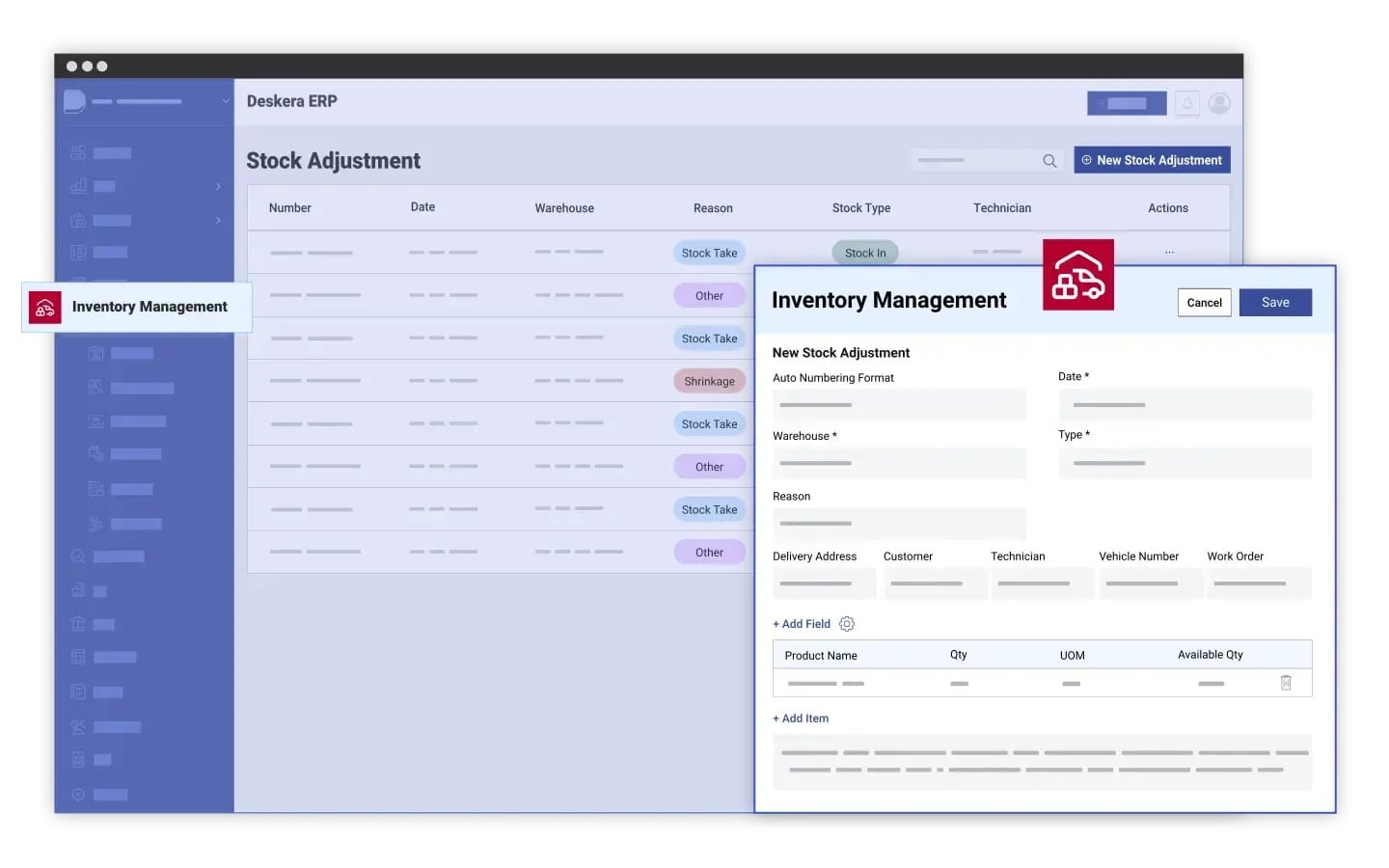
An effective supply chain strategy requires real-time visibility, seamless coordination, and data-driven decision-making. Deskera ERP empowers businesses with an integrated platform that connects procurement, inventory, production, and finance—enabling organizations to execute their supply chain strategies with greater efficiency, agility, and control.
Real-Time Inventory Visibility
Deskera ERP provides real-time tracking of inventory across multiple warehouses and locations. This ensures accurate stock levels, reduces the risk of stockouts or overstocking, and enables better demand planning. With complete visibility, businesses can align inventory with their chosen supply chain strategy—whether lean, agile, or hybrid.
Demand Forecasting and Planning
Using historical data and intelligent analytics, Deskera ERP helps businesses forecast demand more accurately. This improves production planning, procurement decisions, and inventory optimization. By aligning supply with actual demand patterns, companies can reduce waste, improve service levels, and respond quickly to market fluctuations.
Streamlined Procurement Management
Deskera ERP simplifies procurement processes by automating purchase orders, supplier management, and approvals. Businesses can evaluate supplier performance, negotiate better terms, and ensure timely procurement. This supports strategies like dual sourcing and risk mitigation by reducing dependency on a single supplier.
Integrated Production and MRP Capabilities
With built-in Material Requirements Planning (MRP), Deskera ERP ensures that the right materials are available at the right time for production. It helps optimize resource allocation, reduce production delays, and improve operational efficiency—critical for maintaining both lean and agile supply chain models.
End-to-End Supply Chain Visibility
Deskera ERP connects every stage of the supply chain—from sourcing to delivery—on a single platform. This end-to-end visibility allows businesses to monitor operations in real time, identify bottlenecks, and make proactive decisions to improve performance and resilience.
Advanced Reporting and Analytics
The platform offers customizable dashboards and reports that provide insights into key supply chain metrics such as inventory turnover, order fulfillment rates, and supply chain costs. These insights enable continuous improvement and help businesses measure the effectiveness of their supply chain strategy.
Automation and Workflow Optimization
Deskera ERP automates routine tasks such as order processing, invoicing, and inventory updates. This reduces manual errors, speeds up operations, and improves overall efficiency. Automation also frees up teams to focus on strategic activities rather than repetitive tasks.
Multi-Location and Multi-Currency Support
For businesses operating across regions, Deskera ERP supports multi-location inventory management and multi-currency transactions. This capability is essential for scaling supply chain operations globally while maintaining consistency and control.
Enhanced Collaboration Across Departments
By integrating finance, sales, procurement, and operations, Deskera ERP ensures seamless communication across departments. This alignment improves coordination, reduces delays, and enables faster decision-making—key to executing any supply chain strategy successfully.
By leveraging these capabilities, Deskera ERP enables businesses to build a supply chain that is not only efficient but also resilient and future-ready. It provides the technological foundation needed to adapt to changing market conditions, optimize operations, and achieve long-term strategic goals.
Key Takeaways
- Supply chain strategy provides a long-term blueprint to align operations with business goals while ensuring efficiency, resilience, and scalability.
- In 2026 and beyond, supply chain strategy is critical due to rising disruptions, evolving customer expectations, and the need for agility and sustainability.
- Core components such as network design, demand planning, inventory management, and supplier collaboration form the foundation of an effective strategy.
- A resilient supply chain strategy helps reduce risks, improve continuity, and maintain consistent service levels even during disruptions.
- Implementing a supply chain strategy comes with challenges like data silos, high costs, supplier risks, and resistance to change.
- Building an effective strategy requires a structured approach, including goal setting, performance assessment, network design, and continuous improvement.
- Choosing the right supply chain strategy depends on demand patterns, product complexity, business goals, and market priorities such as cost, speed, or flexibility.
- Emerging trends like AI, real-time visibility, sustainability, and regionalization are reshaping modern supply chain strategies.
- Measuring success through KPIs such as cost efficiency, inventory turnover, on-time delivery, and cash-to-cash cycle ensures continuous optimization.
- Deskera ERP supports supply chain strategy by enabling real-time visibility, automation, demand forecasting, and end-to-end integration across operations.
Related Articles
 Niti Samani
 Niti Samani
 Rhema Hans
 Niti Samani
 Niti Samani
 Nalini