
Are rising maintenance costs quietly eroding your margins while you strive to maintain peak operational performance? For many businesses—especially in manufacturing—maintenance is not just a routine activity but a significant financial commitment. In fact, maintenance expenses can account for anywhere between 15% and 40% of total production costs, making it one of the largest controllable cost centers in operations. Without a strategic approach, these costs can quickly spiral, impacting both profitability and efficiency.
At the same time, industry benchmarks suggest that well-optimized organizations typically keep maintenance costs within 10% to 15% of total manufacturing expenses. The gap between these figures highlights a critical opportunity: businesses that effectively manage and optimize maintenance can unlock substantial savings while improving asset reliability. However, achieving this balance requires more than just cutting costs—it demands a smarter, more proactive maintenance strategy.
Another key challenge lies in how maintenance budgets are allocated. On average, 60% to 70% of maintenance budgets are spent on preventive maintenance, while 15% to 20% go toward emergency repairs, and 10% to 15% are reserved for capital improvements. While preventive maintenance is essential for minimizing breakdowns, excessive reliance on reactive fixes and poor planning can still drive unnecessary expenses. The goal, therefore, is not just to spend wisely but to ensure every dollar contributes to long-term performance and operational stability.
This is where modern solutions like Deskera MRP play a crucial role. By offering real-time visibility into maintenance schedules, asset performance, and inventory levels, Deskera MRP enables businesses to shift from reactive to proactive maintenance. It helps streamline work orders, optimize spare parts management, and leverage data-driven insights to reduce downtime and control costs. With the right tools in place, organizations can achieve the perfect balance—lower maintenance expenses without compromising performance.
What Are Maintenance Costs?
Maintenance costs refer to the expenses incurred to keep equipment, machinery, facilities, and infrastructure in optimal working condition. These costs are essential for ensuring smooth operations, minimizing downtime, and extending the lifespan of assets. Whether in manufacturing, logistics, or facilities management, maintenance costs play a critical role in maintaining productivity and avoiding costly disruptions.
These expenses typically include a combination of labor costs, spare parts, tools, materials, and contractor services, along with costs associated with inspections, servicing, and repairs. Maintenance costs are not just about fixing what is broken—they also involve proactive efforts to prevent failures and maintain consistent performance over time.
Maintenance costs can be broadly categorized into the following types:
- Preventive Maintenance Costs: Expenses related to routine inspections, servicing, and scheduled maintenance activities aimed at preventing equipment failures.
- Corrective (Reactive) Maintenance Costs: Costs incurred when repairing or replacing equipment after a breakdown has occurred.
- Predictive Maintenance Costs: Investments in technologies such as sensors and data analytics to monitor equipment condition and predict potential failures before they happen.
- Emergency Maintenance Costs: Unplanned and often high-cost repairs that require immediate attention to avoid operational disruptions.
In addition to these categories, maintenance costs can also be classified based on how and why they occur:
- Direct Costs: Expenses directly tied to maintenance activities, including labor wages, spare parts, materials, and contractor fees.
- Indirect Costs: Costs that arise due to equipment failure or downtime, such as lost production revenue, overtime labor, and operational delays.
- Planned vs. Unplanned Costs: Planned costs come from scheduled maintenance like preventive or predictive activities, while unplanned costs result from sudden breakdowns and emergency repairs.
- Capital vs. Operating Costs: Capital costs involve major investments such as equipment upgrades or overhauls to extend asset life, whereas operating costs cover routine, day-to-day maintenance activities.
Understanding these different types and classifications of maintenance costs is the first step toward effective cost optimization. By identifying where resources are being spent and distinguishing between necessary and avoidable expenses, businesses can implement smarter maintenance strategies that reduce costs without compromising performance.
Maintenance Costs vs Capital Expenditure
Understanding the difference between maintenance costs and capital expenditure is essential for accurate financial planning and asset management. While both involve spending on assets and equipment, they serve different purposes and are treated differently in accounting and budgeting. Maintenance costs focus on preserving existing assets, whereas capital expenditure is aimed at enhancing or acquiring long-term assets.
By clearly distinguishing between maintenance costs and capital expenditure, businesses can improve financial accuracy, optimize budgeting, and make better decisions about asset management and long-term investments.
Factors Influencing Maintenance Costs
Maintenance costs are not fixed—they vary based on several internal and external factors that affect how often, how efficiently, and how extensively maintenance activities are performed. Understanding these factors helps businesses anticipate expenses, improve planning, and implement strategies to control costs without compromising performance.
Asset Age and Condition
Older equipment generally requires more frequent maintenance due to wear and tear. As assets age, the likelihood of breakdowns increases, leading to higher repair and replacement costs. Poorly maintained assets also deteriorate faster, further driving up expenses.
Usage Intensity
The frequency and intensity of equipment usage have a direct impact on maintenance costs. Machines that operate continuously or beyond recommended capacity tend to experience faster wear, requiring more frequent servicing and repairs.
Maintenance Strategy
The type of maintenance approach adopted—whether reactive, preventive, or predictive—significantly influences costs. Reactive maintenance often leads to higher expenses due to emergency repairs, while preventive and predictive strategies help reduce unexpected failures and optimize spending over time.
Availability of Spare Parts
The cost and accessibility of spare parts play a major role in maintenance expenses. If parts are scarce, imported, or highly specialized, they can increase both repair costs and downtime. Efficient inventory management helps mitigate these challenges.
Skill Level of Maintenance Staff
The expertise of maintenance personnel affects both the quality and efficiency of maintenance work. Skilled technicians may have higher labor costs, but they can diagnose issues faster, reduce errors, and prevent recurring problems, ultimately lowering overall expenses.
Technological Complexity
Advanced machinery and modern equipment often require specialized tools, software, and expertise for maintenance. While such technology can improve efficiency, it may also increase maintenance costs due to higher service requirements and specialized components.
Environmental Conditions
Operating environments significantly impact maintenance needs. Equipment exposed to harsh conditions such as extreme temperatures, humidity, dust, or corrosive elements requires more frequent servicing, increasing maintenance costs.
Regulatory and Compliance Requirements
Industries with strict safety and regulatory standards must adhere to specific maintenance schedules and procedures. Compliance requirements can increase maintenance frequency and associated costs but are essential to avoid penalties and ensure safe operations.
By recognizing these factors, organizations can better predict maintenance expenses and take proactive steps to manage them effectively. A clear understanding of cost drivers enables smarter decision-making, improved budgeting, and more efficient maintenance strategies.
Key Components of Maintenance Costs
Understanding the key components of maintenance costs is essential for effective budgeting, cost control, and operational efficiency. These components represent the primary areas where businesses allocate resources to keep assets running smoothly. By breaking down maintenance costs into specific elements, organizations can identify cost drivers, eliminate inefficiencies, and implement more targeted optimization strategies.
Labor Costs
Labor costs form a significant portion of maintenance expenses and include wages, salaries, benefits, overtime, and training costs for maintenance staff such as technicians, engineers, and supervisors. It may also include payments to external contractors or specialized service providers. Efficient labor management ensures that maintenance tasks are completed on time and with minimal errors, reducing the likelihood of recurring issues and costly repairs.
Material and Spare Parts Costs
This component includes expenses related to spare parts, raw materials, and consumables required for maintenance activities. Items such as lubricants, filters, fasteners, and replacement parts are essential for keeping equipment in working condition. Proper management of spare parts inventory helps prevent delays, reduces downtime, and avoids unnecessary overstocking or emergency purchases, ultimately improving cost efficiency.
Equipment and Tool Expenses
Maintenance activities require a range of tools and equipment, from basic hand tools to advanced diagnostic instruments. These costs include purchasing, maintaining, or renting tools and equipment used for inspections, repairs, and servicing. Investing in reliable and accurate tools enables quicker issue identification, reduces repair time, and minimizes the risk of errors, contributing to overall cost optimization.
Overhead Costs
Overhead costs are indirect expenses that support maintenance operations. These may include utility bills, facility maintenance, storage for tools and spare parts, and administrative support. While not directly tied to specific maintenance tasks, these costs are essential for ensuring smooth coordination, planning, and execution of maintenance activities. Effective management of overheads helps avoid inefficiencies and unexpected financial strain.
Software and Vendor Costs
Modern maintenance management often relies on software solutions such as ERP or CMMS systems. This component includes costs related to software licensing, upgrades, system maintenance, and vendor support services. These tools help streamline maintenance planning, scheduling, tracking, and reporting. Investing in the right software reduces manual errors, improves resource allocation, and enables data-driven decision-making, leading to long-term cost savings.
By understanding and managing these key components, businesses can gain better visibility into their maintenance spending and identify opportunities to optimize costs without compromising performance.
Hidden Costs of Maintenance
While maintenance expenses are often measured through visible costs like labor and spare parts, many organizations overlook the hidden costs that silently impact profitability and performance. These indirect costs are not always immediately visible in financial reports, but they can significantly increase overall expenses when maintenance strategies are ineffective or reactive.
Reduced Product Quality
Poorly maintained equipment can lead to inconsistencies in production and defects in output. Even minor issues, if left unaddressed, can affect product quality over time. This not only leads to rework and waste but can also damage brand reputation and customer trust.
Higher Energy Consumption
Inefficient or poorly maintained machinery often consumes more energy than necessary. Components that are worn out, clogged, or misaligned force equipment to work harder, increasing utility costs. Over time, this leads to higher operational expenses that are often not directly linked to maintenance in financial tracking.
Shortened Asset Lifespan
Lack of regular maintenance accelerates wear and tear on equipment, reducing its usable life. Assets that are not properly maintained are more likely to fail prematurely, leading to frequent replacements and increased capital expenditure.
Lost Production Time
Unplanned downtime caused by equipment failure results in lost production hours. This disruption can delay operations, reduce output, and impact overall business efficiency. The cost of downtime often extends beyond repairs, affecting delivery timelines and operational continuity.
Wasted Resources
Inefficient maintenance practices can lead to wasted materials, excessive use of spare parts, and unnecessary labor efforts. Teams may spend more time fixing recurring issues instead of focusing on productive tasks, leading to lower overall efficiency.
Environmental Impact
Poor maintenance can result in higher emissions, energy waste, and improper functioning of equipment. This not only increases operational costs but can also create environmental concerns and affect sustainability goals.
Safety Risks
Equipment that is not properly maintained poses a higher risk of accidents and failures. Unexpected breakdowns can endanger employees, disrupt workflows, and lead to additional costs related to safety incidents, repairs, and compliance issues.
Compliance and Legal Risks
Failure to maintain equipment according to industry standards can result in non-compliance with regulations. This may lead to penalties, legal complications, or operational restrictions, further increasing the overall cost burden.
Addressing these hidden costs requires a proactive and strategic approach to maintenance. By improving maintenance planning, adopting preventive and predictive strategies, and leveraging data-driven tools, businesses can reduce these unseen expenses and enhance overall operational performance.
Who Tracks Maintenance Costs?
Tracking maintenance costs is a cross-functional responsibility that involves multiple departments working together to ensure accurate monitoring, cost control, and operational efficiency. Each role contributes unique insights and data, helping organizations maintain financial transparency and optimize maintenance spending.
Maintenance Managers
Maintenance managers play a central role in tracking and controlling maintenance costs. They oversee daily maintenance activities, plan preventive schedules, and manage budgets related to labor, materials, and repairs. By monitoring key performance metrics such as equipment downtime and maintenance cost per asset, they identify inefficiencies and ensure resources are used effectively.
Finance Department
The finance team is responsible for aligning maintenance expenses with the organization’s overall financial strategy. They track spending, allocate budgets, and ensure that maintenance costs remain within planned limits. Additionally, they analyze financial data and generate reports to evaluate the return on investment (ROI) of maintenance activities and support informed decision-making.
Facility Managers
Facility managers focus on maintaining physical infrastructure, including buildings and utility systems. They coordinate maintenance activities, monitor energy usage, and ensure timely repairs. Their role in cost tracking includes identifying inefficiencies in facility operations and implementing measures to reduce unnecessary expenses while maintaining operational continuity.
Procurement Department
The procurement team manages the sourcing of spare parts, tools, and external maintenance services. They negotiate with suppliers, control purchasing costs, and maintain optimal inventory levels. By ensuring cost-effective procurement and avoiding overstocking or shortages, they play a key role in managing overall maintenance expenses.
Operations Managers
Operations managers ensure that maintenance activities align with production and business goals. They coordinate with maintenance teams to schedule activities in a way that minimizes disruptions. Their involvement helps balance operational efficiency with maintenance needs, reducing costs associated with downtime and production delays.
Maintenance Technicians
Maintenance technicians are responsible for executing maintenance tasks and capturing real-time data from the field. They record labor hours, report equipment issues, and track material usage. This on-ground data is essential for accurate cost tracking and helps management make data-driven decisions.
By involving multiple stakeholders in tracking maintenance costs, organizations gain a comprehensive view of their expenses. This collaborative approach ensures better cost control, improved planning, and more effective maintenance strategies without compromising performance.
The Hidden Impact of Ineffective Maintenance
Ineffective maintenance goes beyond visible repair costs—it creates a ripple effect across operations, finances, and overall business performance. When maintenance strategies are reactive or poorly executed, the consequences often remain unnoticed until they begin to significantly impact productivity, quality, and profitability. Understanding these hidden impacts is essential for building a more proactive and efficient maintenance approach.
Decline in Product Quality
Poorly maintained equipment can lead to inconsistencies and defects in production. Even minor mechanical issues can affect precision and output quality, resulting in rework, waste, and dissatisfied customers. Over time, this can damage brand reputation and reduce customer trust.
Increased Energy Consumption
Inefficient equipment tends to consume more energy to perform the same tasks. Lack of regular servicing, cleaning, or calibration forces machines to work harder, leading to higher utility costs and reduced operational efficiency.
Reduced Asset Lifespan
Without proper maintenance, equipment experiences accelerated wear and tear. This leads to frequent breakdowns and shortens the overall lifespan of assets, forcing businesses to invest in replacements sooner than expected.
Loss of Production Time
Unplanned equipment failures are a major cause of downtime. These disruptions halt operations, delay production schedules, and reduce output, ultimately affecting revenue and operational continuity.
Wasted Resources
Ineffective maintenance results in inefficient use of labor, materials, and time. Teams may spend excessive effort addressing recurring issues, while defective outputs lead to wasted raw materials and increased operational costs.
Environmental Impact
Neglected equipment can lead to energy waste, emissions, and inefficient resource usage. This not only increases costs but also affects sustainability efforts and environmental responsibility.
Increased Safety Risks
Equipment that is not properly maintained poses a higher risk of accidents and failures. Unexpected breakdowns can create unsafe working conditions, putting employees at risk and potentially leading to additional costs related to incidents and disruptions.
Addressing these hidden impacts requires a shift toward proactive maintenance strategies. By improving maintenance planning, leveraging technology, and focusing on continuous improvement, businesses can minimize these risks and ensure long-term operational efficiency.
Why Optimizing Maintenance Costs Matters
Optimizing maintenance costs is not just about reducing expenses—it is about creating a balanced approach that ensures operational efficiency, asset reliability, and long-term business sustainability. When maintenance is poorly managed, costs can quickly escalate, impacting multiple areas of the business. A strategic approach to optimization helps organizations control spending while maintaining high performance standards.
Impact on Profitability and Operational Efficiency
Maintenance costs directly influence a company’s bottom line. When expenses are not properly managed, they can erode profit margins and strain budgets. Optimized maintenance ensures that resources are used efficiently, reducing unnecessary spending while improving overall operational efficiency. By aligning maintenance activities with business goals, organizations can achieve better financial control and improved productivity.
Reduces Unplanned Downtime
Unplanned downtime is one of the most significant challenges businesses face. Unexpected equipment failures can disrupt operations, delay production, and increase repair costs. Optimizing maintenance through proactive strategies helps identify and address potential issues early, minimizing disruptions and ensuring continuous operations.
Extends Asset Lifespan
Regular and well-planned maintenance reduces wear and tear on equipment, allowing assets to function effectively for longer periods. This delays the need for costly replacements and maximizes the return on investment for existing assets. By focusing on timely servicing and upkeep, businesses can preserve the value of their equipment and infrastructure.
Improves Resource Utilization
Efficient maintenance planning ensures that labor, materials, and tools are used effectively. It eliminates redundant tasks, reduces idle time, and ensures that maintenance teams focus on high-priority activities. Better resource allocation leads to improved productivity and cost savings across the organization.
Enhances Overall Business Performance
Optimized maintenance contributes to smoother operations, higher production efficiency, and improved reliability. It also supports better energy efficiency by ensuring equipment operates at optimal levels, reducing unnecessary consumption. Additionally, well-maintained systems improve workplace safety, help meet regulatory compliance requirements, and reduce the risk of accidents or penalties.
Supports Customer Satisfaction and Long-Term Growth
Consistent maintenance ensures that products and services are delivered on time without interruptions caused by equipment failures. This reliability strengthens customer trust and enhances brand reputation. Over time, improved performance, reduced costs, and increased operational stability contribute to sustainable business growth.
In essence, optimizing maintenance costs enables businesses to move from a reactive approach to a proactive, data-driven strategy—one that not only reduces expenses but also strengthens performance, reliability, and competitiveness.
How to Calculate Total Maintenance Costs
Calculating total maintenance costs is essential for understanding how much your organization spends on maintaining assets and where optimization opportunities exist. It provides a clear picture of cost drivers and helps improve budgeting, forecasting, and decision-making. While maintenance expenses may seem scattered across different activities, they can be consolidated into a structured calculation.
Basic Maintenance Cost Formula
At its core, total maintenance cost is calculated by combining all direct expenses associated with maintenance activities:
Total Maintenance Cost = Labor Costs + Material & Spare Parts Costs + Other Expenses
- Labor Costs: Based on the total hours worked by maintenance staff multiplied by their hourly wages. This includes technicians, engineers, and any outsourced labor.
- Material & Spare Parts Costs: Includes the cost of all parts, consumables, and materials used during maintenance tasks.
- Other Expenses: Covers external services, vendor contracts, and any additional maintenance-related invoices.
Accurately tracking these components ensures a reliable estimate of overall maintenance spending.
Step-by-Step Approach to Calculation
To calculate maintenance costs effectively, businesses should follow a structured approach:
- Track Labor Hours: Record the time spent on each maintenance task using work orders or technician logs, then multiply by labor rates.
- Monitor Parts and Material Usage: Maintain an organized inventory system to track consumption and costs associated with each asset or task.
- Include External Costs: Account for vendor services, contractor fees, and maintenance contracts.
Using maintenance management software can simplify this process by automatically capturing and organizing data in real time.
Calculating Cost of Ownership (Per Asset)
When evaluating the maintenance cost of a specific asset, it’s important to take a broader view known as the cost of ownership. This includes not just maintenance activities but also operational expenses required to keep the asset running:
Cost of Ownership = Labor + Materials + Outsourcing + Energy Costs + Other Operating Expenses
- Energy Costs: Power or fuel required to operate the equipment
- Outsourcing Costs: Third-party services or specialized maintenance support
- Other Operating Expenses: Insurance, inspections, and compliance-related costs
This approach provides a more comprehensive understanding of how much an asset truly costs over time.
Important Considerations
- Focus on routine maintenance and minor repairs when calculating total maintenance costs.
- Major upgrades or overhauls are typically treated as capital investments, not regular maintenance expenses.
- Ensure accurate data collection through proper tracking systems to avoid underestimating or overestimating costs.
By consistently calculating and analyzing total maintenance costs, businesses can gain better financial control, identify inefficiencies, and implement strategies to optimize expenses without compromising performance.
Strategies to Optimize Maintenance Costs Without Compromising Performance
Optimizing maintenance costs requires a balanced, strategic approach that improves efficiency while maintaining asset reliability. Below are key strategies explained concisely to help organizations reduce expenses without impacting performance.
Implement Preventive Maintenance
Preventive maintenance focuses on scheduled inspections and servicing to detect issues early. It helps avoid unexpected breakdowns, reduces repair frequency, and ensures consistent equipment performance. By addressing problems before they escalate, businesses can maintain operational continuity while minimizing costly disruptions and extending the life of critical assets.
Adopt Predictive and Condition-Based Maintenance
Predictive maintenance uses real-time data and sensors to monitor equipment health and determine when maintenance is actually needed. This reduces unnecessary servicing while preventing major failures. Condition-based maintenance ensures resources are used efficiently by aligning maintenance activities with actual asset performance rather than fixed schedules.
Reduce Reactive Maintenance
Reactive maintenance leads to higher costs due to emergency repairs and operational disruptions. Reducing reliance on this approach involves improving planning and increasing preventive efforts. A proactive strategy ensures that maintenance is performed in a controlled manner, minimizing downtime, improving efficiency, and reducing the financial impact of unexpected failures.
Eliminate Unnecessary Maintenance Tasks
Over-maintenance can waste time, labor, and resources without adding value. Reviewing maintenance schedules based on equipment usage and performance data helps eliminate repetitive or unnecessary tasks. This approach ensures that maintenance efforts are focused only where needed, improving efficiency and reducing overall maintenance expenses without compromising reliability.
Fix Root Causes, Not Just Symptoms
Addressing only visible issues often leads to recurring problems and repeated costs. Identifying and resolving the root cause of equipment failures ensures long-term solutions. This approach reduces the frequency of breakdowns, minimizes repair efforts, and improves asset performance, leading to more sustainable cost optimization over time.
Leverage Maintenance Management Software
Using ERP or CMMS systems centralizes maintenance data and automates processes such as scheduling, tracking, and reporting. These tools improve visibility, reduce manual errors, and enhance coordination across teams. Better data access enables informed decision-making, helping organizations optimize maintenance activities and control costs effectively.
Streamline Work Order Management
Well-structured work orders provide clear instructions, required tools, and task priorities, allowing technicians to act quickly. Efficient work order systems reduce delays, improve communication, and enhance task execution. Streamlining this process ensures faster response times, better resource allocation, and increased productivity across maintenance operations.
Optimize Spare Parts and MRO Inventory
Effective inventory management ensures the availability of essential spare parts without overstocking. Using demand forecasting and tracking systems helps maintain optimal stock levels. This reduces storage costs, prevents delays in repairs, and ensures smooth maintenance operations while avoiding unnecessary capital being tied up in excess inventory.
Monitor Asset Performance
Tracking key performance indicators such as equipment efficiency, usage, and wear helps identify potential issues early. Continuous monitoring allows businesses to adjust maintenance schedules and prevent failures. This approach ensures assets operate at peak performance while reducing unnecessary maintenance activities and associated costs.
Use Key Performance Indicators (KPIs)
KPIs provide measurable insights into maintenance effectiveness. Metrics such as downtime, repair time, and cost per asset help evaluate performance and identify improvement areas. Regular analysis of these indicators enables better planning, supports data-driven decisions, and ensures continuous optimization of maintenance strategies.
Understand Asset Lifecycle
Every asset has a lifecycle that influences maintenance decisions. Evaluating whether to repair, refurbish, or replace equipment at the right time prevents overspending. Understanding lifecycle stages helps allocate resources efficiently and ensures that investments are made where they deliver the highest value.
Invest in Training and Skill Development
Skilled employees can diagnose issues faster and perform maintenance tasks more effectively. Training programs improve technical expertise, reduce errors, and enhance productivity. Extending basic maintenance awareness to non-technical staff also helps identify early warning signs, preventing minor issues from becoming costly problems.
Reduce Operational Inefficiencies
Small inefficiencies such as delays, poor coordination, or time spent locating tools can increase maintenance costs. Streamlining workflows and improving communication helps eliminate these bottlenecks. Efficient processes ensure that maintenance tasks are completed quickly and effectively, reducing wasted time and improving overall productivity.
Leverage Data and Analytics
Analyzing maintenance data helps identify patterns, recurring issues, and cost drivers. Data-driven insights enable organizations to refine maintenance strategies and improve forecasting. This approach supports better decision-making, reduces inefficiencies, and ensures continuous improvement in maintenance performance and cost management.
Review Vendor Contracts and Procurement
Regularly evaluating supplier agreements ensures that services and materials are cost-effective. Negotiating better terms or consolidating vendors can reduce expenses. Efficient procurement practices also ensure timely availability of resources, preventing delays and maintaining smooth maintenance operations.
Use Technology That Fits Your Needs
Adopting the right technology improves tracking, coordination, and execution of maintenance tasks. Digital tools replace manual processes, reducing errors and improving efficiency. Choosing solutions that align with business needs ensures better control over maintenance operations and supports long-term cost optimization.
Extend Warranties and Use Insurance Strategically
Warranties and insurance help protect against unexpected repair costs for critical equipment. Evaluating coverage options ensures financial security and reduces the burden of major expenses. Strategic use of these tools allows organizations to manage risks effectively while maintaining operational stability.
Reduce Energy Consumption Through Maintenance
Properly maintained equipment operates more efficiently and consumes less energy. Regular servicing, cleaning, and calibration help reduce energy waste. Lower energy consumption not only decreases operational costs but also supports sustainability goals and improves overall equipment performance.
How Deskera MRP Helps Optimize Maintenance Costs
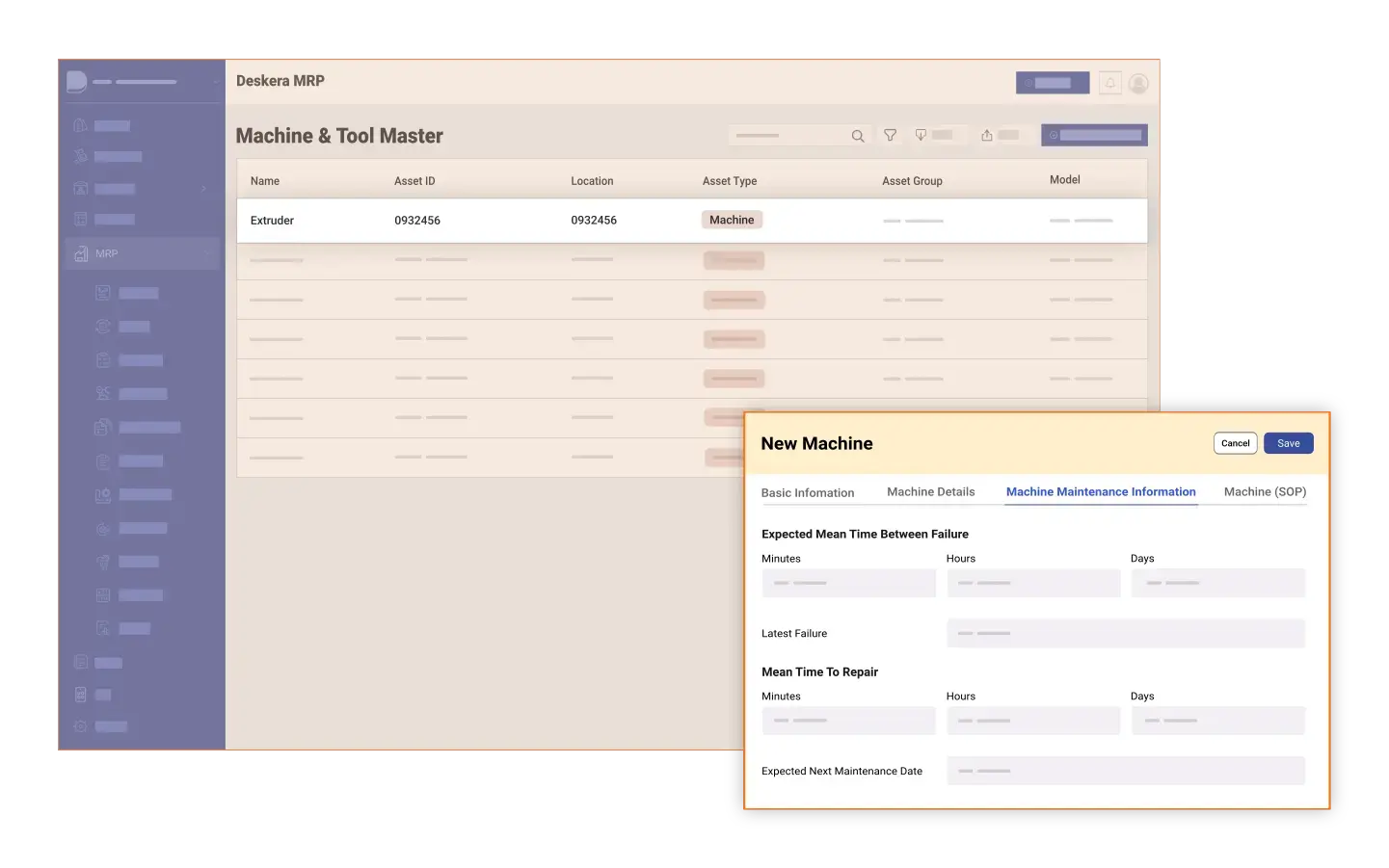
Optimizing maintenance costs requires visibility, control, and data-driven decision-making—all of which can be challenging with manual processes or disconnected systems. Deskera MRP simplifies maintenance management by integrating key functions into a single platform, enabling businesses to reduce costs while maintaining high operational performance.
Centralized Maintenance and Asset Tracking
Deskera ERP provides a unified system to track all assets, maintenance activities, and service histories in one place. This centralization eliminates data silos, improves visibility, and ensures that maintenance teams have access to accurate, up-to-date information. Better tracking helps prevent missed maintenance tasks and reduces inefficiencies across operations.
Automated Scheduling and Alerts
The platform automates maintenance scheduling based on predefined intervals or usage data. It also sends timely alerts and notifications for upcoming tasks, inspections, or potential issues. This ensures that maintenance activities are carried out proactively, reducing the risk of unexpected breakdowns and costly emergency repairs.
Inventory and Spare Parts Management
Deskera ERP streamlines inventory management by tracking spare parts usage, stock levels, and reorder points. It helps maintain optimal inventory levels, preventing both stock shortages and overstocking. Efficient inventory control reduces delays in maintenance activities and avoids unnecessary capital being tied up in excess stock.
Real-Time Analytics and Reporting
With built-in analytics and reporting tools, Deskera ERP provides real-time insights into maintenance costs, asset performance, and operational efficiency. Businesses can monitor key metrics, identify cost trends, and make informed decisions to optimize maintenance strategies and improve overall productivity.
AI-Powered Insights for Predictive Maintenance
Deskera ERP leverages AI-driven insights to analyze historical and real-time data, helping predict potential equipment failures before they occur. This enables businesses to shift from reactive to predictive maintenance, reducing downtime, minimizing repair costs, and extending asset lifespan.
By combining automation, data visibility, and intelligent insights, Deskera ERP empowers organizations to streamline maintenance operations, control costs, and achieve long-term efficiency without compromising performance.
Key Takeaways
- Maintenance costs include direct, indirect, planned, and unplanned expenses, all of which impact operational efficiency and profitability.
- Multiple stakeholders—including maintenance, finance, operations, and procurement teams—collaborate to track, control, and optimize maintenance spending.
- Maintenance costs differ from capital expenditure, as they focus on ongoing operational upkeep rather than long-term asset investments.
- Several factors such as asset age, usage intensity, maintenance strategy, and environmental conditions directly influence maintenance expenses.
- Ineffective maintenance leads to hidden costs like downtime, poor product quality, higher energy consumption, and safety risks.
- Eliminating unnecessary maintenance tasks and focusing on data-driven scheduling can significantly reduce wasted resources.
- Addressing root causes instead of recurring issues helps prevent repeated failures and lowers long-term repair costs.
- Streamlined work orders and efficient task allocation improve technician productivity and reduce delays.
- Shifting from reactive to preventive maintenance minimizes expensive emergency repairs and operational disruptions.
- Regularly reviewing supplier contracts and optimizing procurement strategies can unlock cost savings.
- Understanding asset lifecycle helps businesses make better decisions on repair, replacement, or upgrades.
- Effective spare parts and MRO inventory management reduces downtime and avoids excess inventory costs.
- Reducing operational inefficiencies and training employees improves overall maintenance effectiveness.
- Leveraging the right technology enables better planning, tracking, and execution of maintenance activities.
- Tools like Deskera ERP help optimize maintenance costs through centralized tracking, automation, inventory control, and data-driven insights.